
















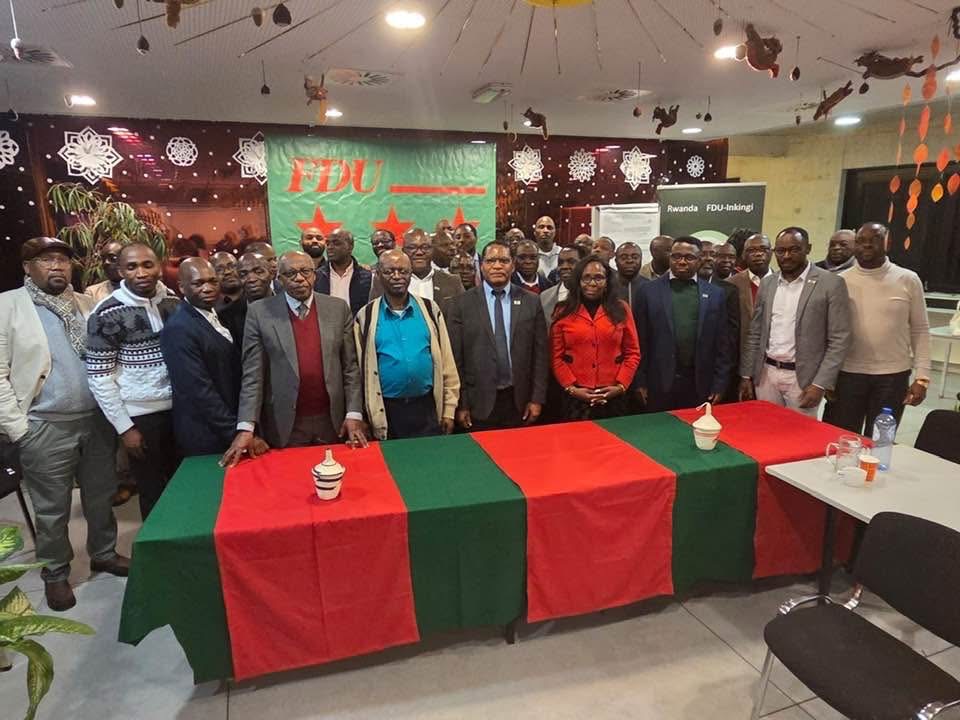
 The ordinary congress held by FDU-Inkingi on 31 January and 1 February 2026 comes at a moment of continued political closure in Rwanda and heightened instability across the Great Lakes region. Beyond the formal renewal of party structures, the meeting highlighted the enduring constraints faced by Rwanda’s opposition and the strategic dilemmas confronting democratic forces operating largely from exile.
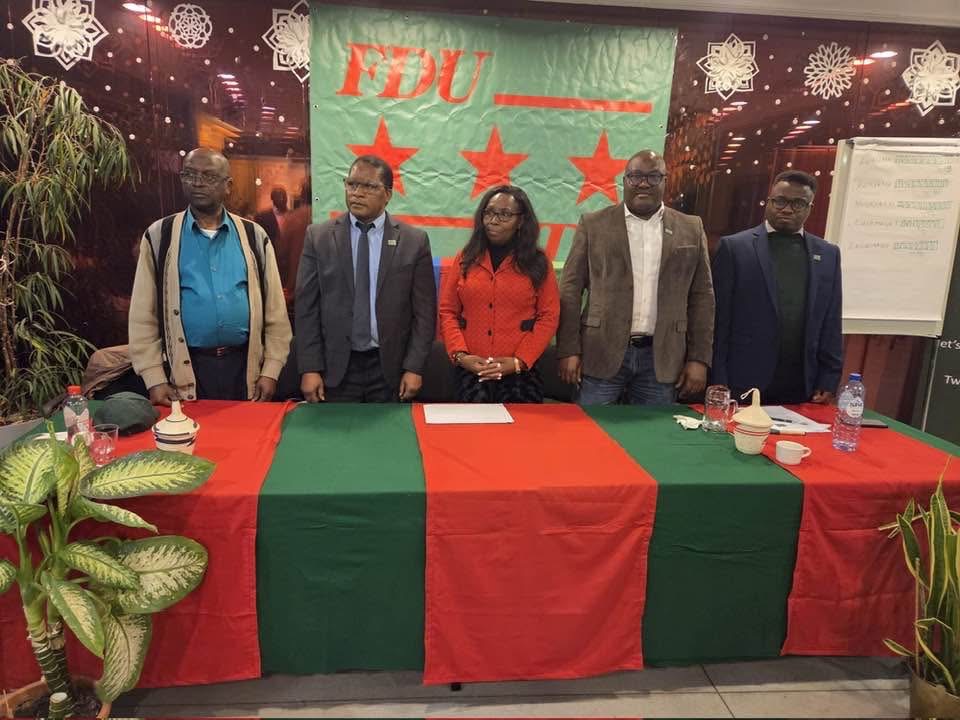
 The congress marked the end of the mandates of Placide Kayumba as president of the party and the appointment of Pierre Célestin Rwalinda as his successor. The new leadership team also includes Dr Emmanuel Mwiseneza as vice-president and Mushyandi Joseph as secretary general, signalling a desire for continuity rather than rupture in the party’s political line.
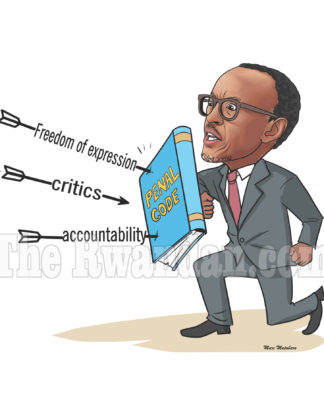
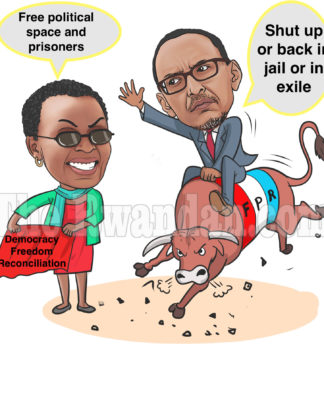
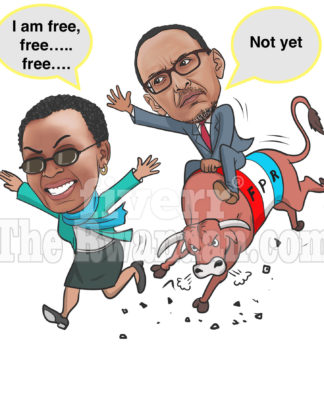
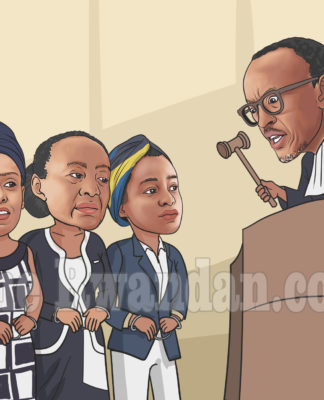
 In its final communiqué, the congress adopted a confrontational tone towards the Rwandan authorities, denouncing what it describes as an entrenched system of repression. Delegates cited ongoing violations of fundamental rights, the narrowing of civic and political space, and the routine use of intimidation, imprisonment and enforced disappearances against critics of the government. The imprisonment of Victoire Ingabire Umuhoza was presented as emblematic of this broader pattern, with FDU-Inkingi arguing that her detention serves a political purpose: silencing debate on governance, accountability and democratic reform.
The congress also situated Rwanda’s internal political crisis within a wider regional context. Delegates reiterated accusations of Rwanda’s involvement in the conflict in eastern Democratic Republic of the Congo through the M23, and warned that Kigali’s regional posture continues to undermine stability in the Great Lakes. In this reading, domestic repression and regional militarisation are not separate phenomena, but mutually reinforcing dynamics aimed at preserving political control at home while projecting power abroad.
Against this backdrop, Placide Kayumba’s farewell message, published on social media, took on a political dimension beyond a simple personal statement. While expressing gratitude to party members and reflecting on years marked by hardship and resilience, Kayumba framed his presidency as a period in which FDU-Inkingi resisted fragmentation and maintained its position as a reference point within the democratic opposition. His emphasis on opposition unity was not incidental, but a recognition of the limits facing fragmented movements confronting a highly centralised and securitised state.
The transition to a new leadership therefore appears less as a change of direction than as an attempt to consolidate organisational coherence and renew legitimacy. Under Pierre Célestin Rwalinda, the party has reiterated its intention to intensify coordination with other opposition forces, despite the structural obstacles imposed by exile, surveillance and repression.
For FDU-Inkingi, the challenge remains unchanged. It is not merely one of leadership or internal organisation, but of relevance and impact in a political system that leaves little room for dissent. The congress signals an insistence on continuity, unity and political persistence, even as the space for democratic contestation inside Rwanda continues to shrink. Whether this strategy can translate into tangible political leverage, domestically or internationally, remains an open question.