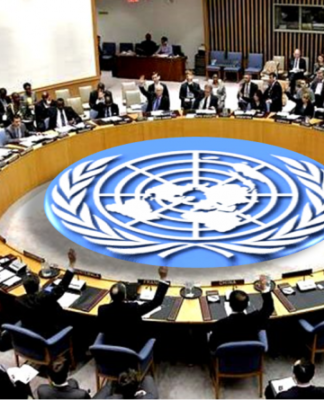



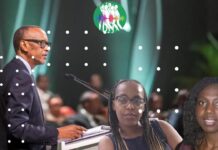

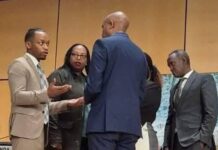






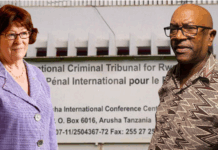

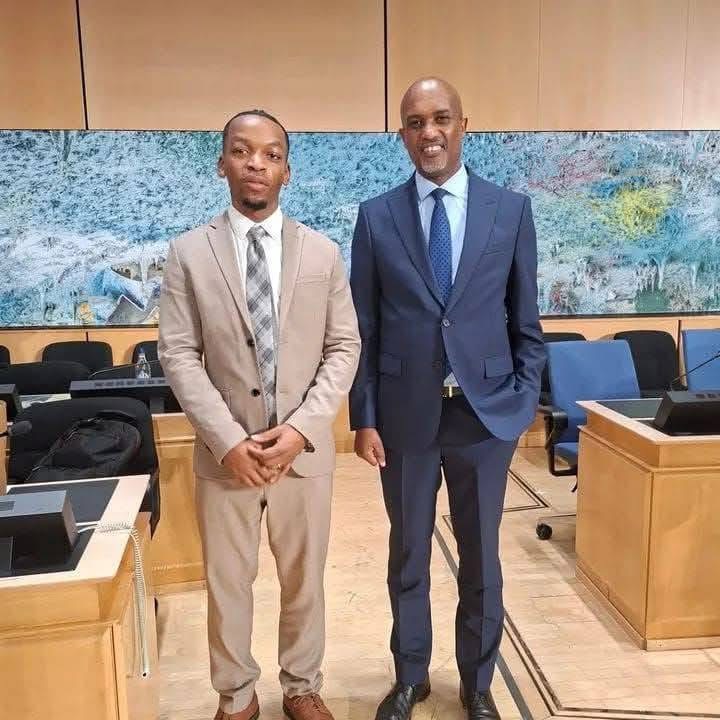
 During the Universal Periodic Review (UPR) session on Rwanda held this week in Geneva, Rémy Amahirwa, the son of opposition politician Victoire Ingabire Umuhoza, publicly questioned the Rwandan justice minister over his mother’s detention and broader concerns about arbitrary arrests raised by foreign governments.
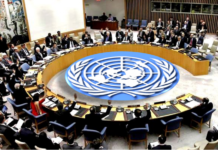
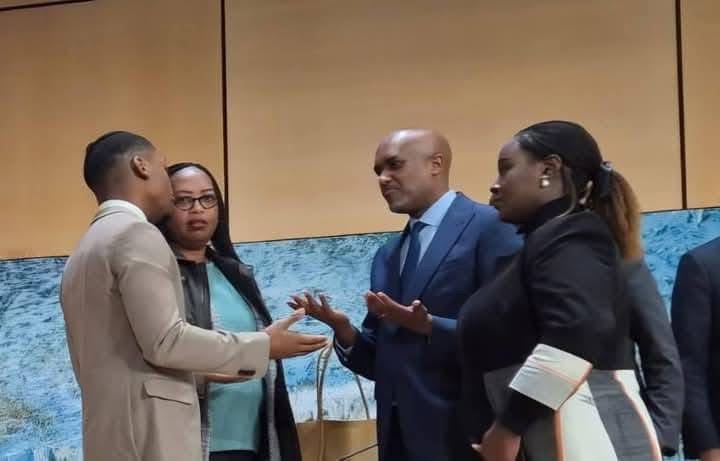 In an unusual move, Rémy Amahirwa attended the annual UPR session, a United Nations mechanism in which member states review each other’s human rights records. He said that at least sixteen countries raised concerns about arbitrary detention in Rwanda and explicitly referred to the case of Victoire Ingabire during the session.
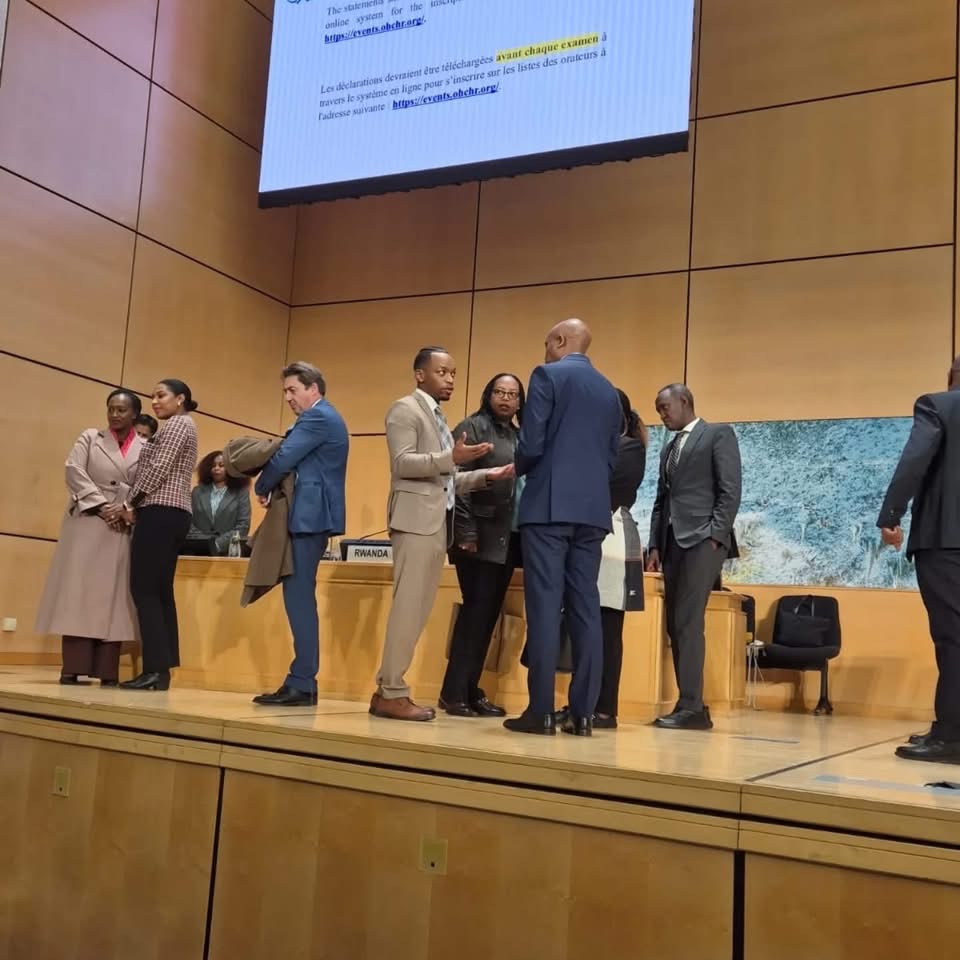 After the meeting, Amahirwa approached the Minister of Justice, Emmanuel Ugirashebuja, to ask why those concerns had not been addressed in the Rwandan delegation’s response. Speaking to BBC Gahuzamiryango, he said he felt deeply frustrated listening to the interventions of other states without hearing a direct response on his mother’s case, which prompted him to confront the minister personally.
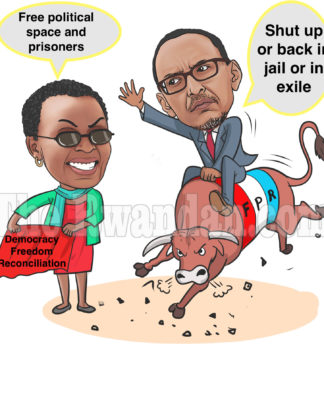
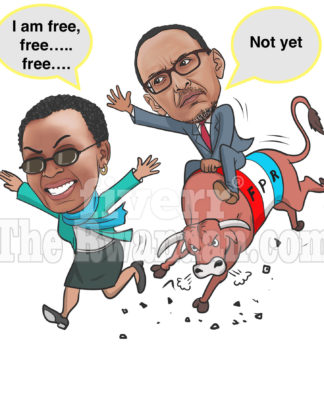
Victoire Ingabire, who had lived in Europe for many years, returned to Rwanda in 2010 to run in the presidential election. Shortly after her arrival, she was arrested and later convicted on charges including genocide denial and links to groups accused of threatening national security, accusations she has consistently denied. She was released in 2018 through a presidential pardon but was not allowed to leave the country or reunite with her family abroad. In June 2025, she was arrested again after appearing in court to testify in a case involving members of her political party accused of plotting to overthrow the government without using armed force. Last week, Rwanda’s Supreme Court ruled that her complaint of unlawful detention had merit, with a hearing scheduled for March.
 Amahirwa also raised concerns about the lack of contact with his mother, saying the family had not been allowed to speak with her by phone since 19 June 2025. He said he discussed the issue with the head of the National Human Rights Commission, Providence Umurungi, who encouraged him to submit the concerns in writing and stressed that Rwandan prisons are required to respect the UN Mandela Rules, which guarantee prisoners the right to communicate with their families.
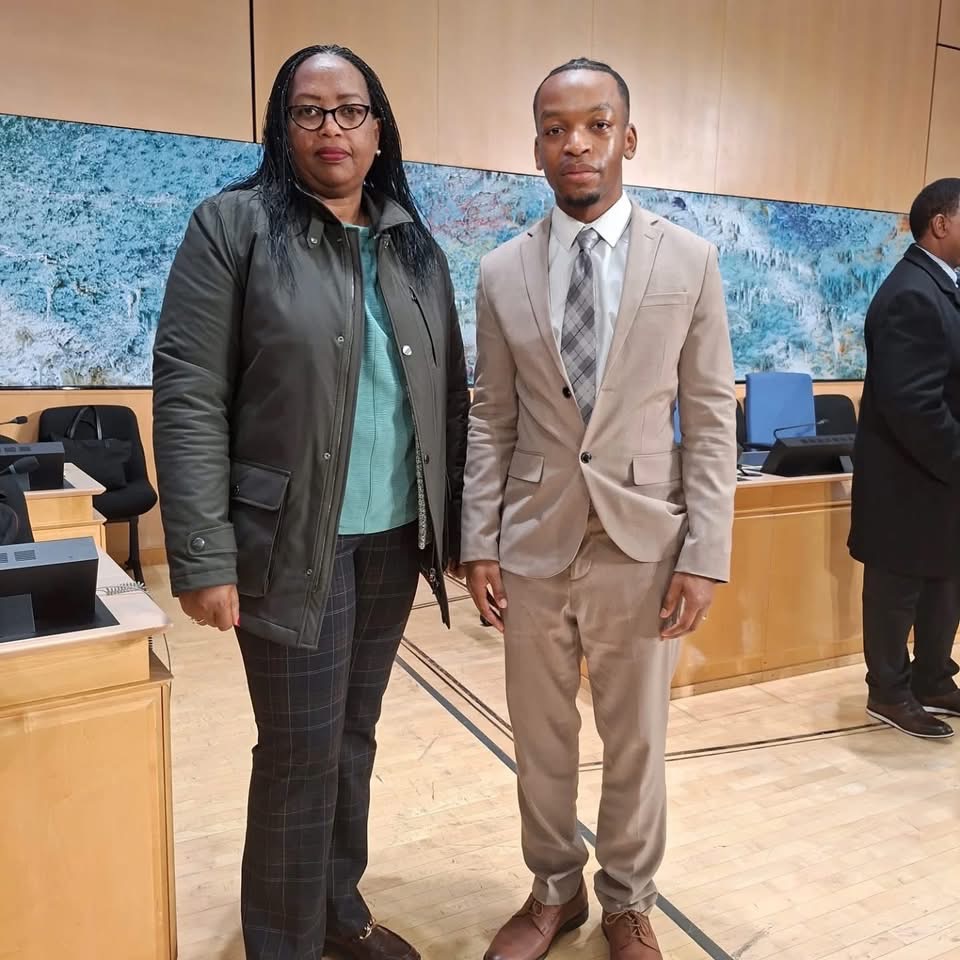 In a statement posted on social media, Rémy Amahirwa explained that he had attended the UPR session after significant advocacy efforts and was struck by the repeated references to arbitrary detention. He said the justice minister expressed hope that Victoire Ingabire would receive a fair trial following the Supreme Court’s decision, but he added that his past experience with Rwanda’s judiciary made it difficult for him to share that optimism.
The incident once again highlights persistent international concerns about the independence of Rwanda’s justice system, prison conditions, and the treatment of political opponents, as Kigali continues to insist that its judicial reforms ensure fair trials and compliance with international human rights standards.