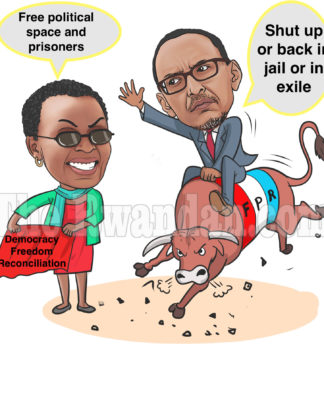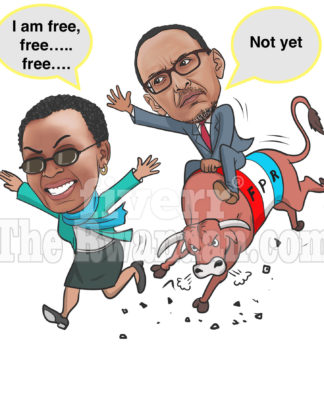
















Rwanda is often celebrated as a beacon of recovery—a nation that rose from the ashes of genocide to become a symbol of stability, unity, and rapid development. Kigali’s gleaming skyline and international prestige are repeatedly showcased as proof of this success. Yet behind this carefully maintained image lies a deeper, unresolved truth: reconciliation remains incomplete.
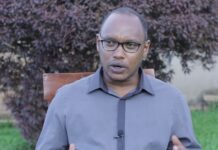
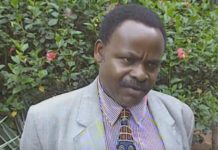
Etienne Gatanazi, a Rwandan refugee and international journalist working with DW Radio, offers a sobering reminder. In his view, reconciliation will remain elusive so long as the Rwandan Patriotic Front (RPF) continues to deny responsibility for war crimes committed against Hutus during the 1990s and beyond. “Justice,” he insists, “means identifying those responsible for the killings—soldiers, commanders, decision-makers—and holding them accountable. Without that, reconciliation is an illusion.”
The victims of these crimes were not only combatants. Among them were infants, the elderly, intellectuals, and civilians with no connection to politics or the genocide. Their absence remains a silent testimony to the cost of unacknowledged violence. As Gatanazi notes, their memory will continue to weigh heavily on the conscience of those who silenced them.
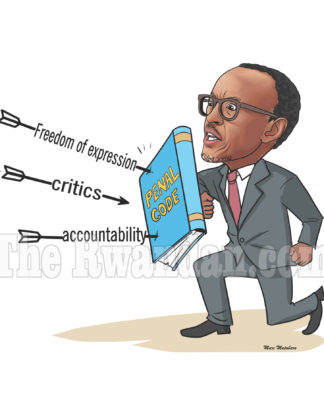
The government’s narrative maintains that Rwanda is now united and reconciled, pointing to genocide trials, unity programs, and international praise. But Gatanazi challenges this view. “Some may claim unity, but perhaps that is because they live in fear—or because they belong to online brigades tasked with spreading state-approved narratives. Deep down, everyone knows the truth: some lives are remembered, while others are expected to be forgotten.”
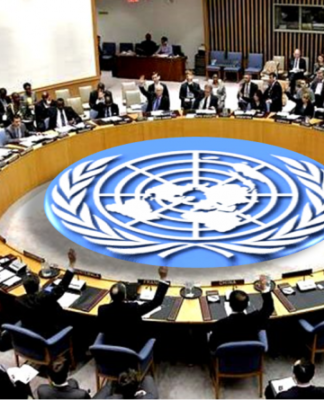
This selective memory undermines the very foundation of reconciliation. True unity cannot rest on fear, censorship, or silence. Nor can international recognition—whether from the United States, the United Nations, or the World Bank—substitute for the internal healing that only impartial justice can deliver. “Even if the White House moved to Kigali or the UN headquarters relocated here,” Gatanazi argues, “there would still be no lasting peace without justice for all.”
Reconciliation, then, is not simply a political slogan or a ceremonial performance. It demands courage—the courage to confront difficult truths, acknowledge the suffering of all sides, and ensure that justice is applied universally. Until that happens, Rwanda will remain divided beneath its polished surface, its wounds hidden but unhealed.
The story of Rwanda is not only about its remarkable progress, but also about the silences that linger. As Gatanazi reminds us, reconciliation cannot be one-sided. It requires remembering every victim and holding every perpetrator accountable—without exception.