



















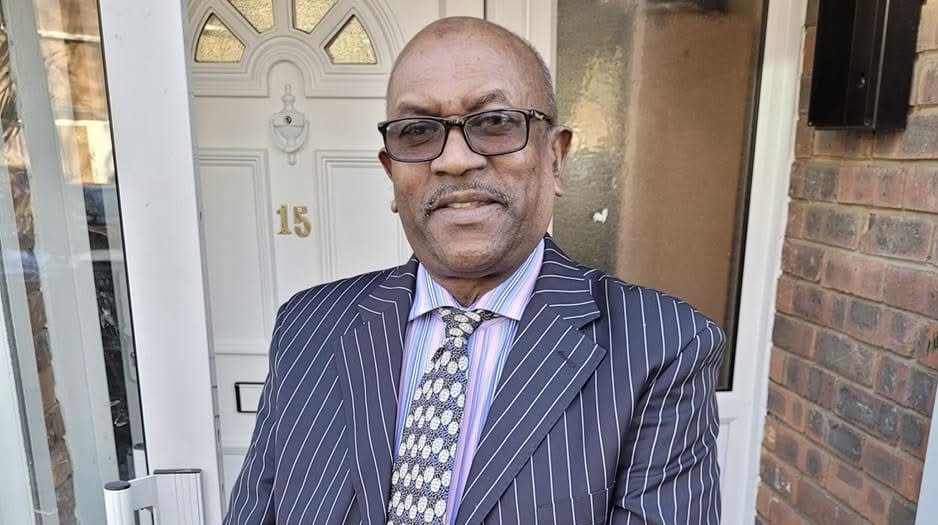
Ally Yusuf Mugenzi, a former editor of the BBC Great Lakes Service (BBC Gahuza), has offered a blunt warning about the latest peace push between Rwanda and the Democratic Republic of the Congo: diplomacy will not deliver lasting results if it keeps circling around the symptoms while avoiding the real causes.
Mugenzi, who worked at the BBC’s Great Lakes service from its creation in September 1994 until his retirement in 2022, argues that the region’s conflict has been managed through politics and messaging for decades, rather than confronted through truth and accountability. In his view, this pattern is not accidental. It reflects choices made by powerful states, including successive US administrations, that preferred a comfortable narrative over a complete one.
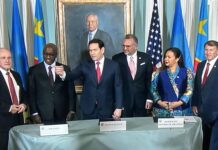
From this perspective, the latest agreement between Kigali and Kinshasa may look historic, but it risks following the same path as earlier initiatives: welcomed at first, then slowly undermined by unresolved facts, unresolved grievances, and unresolved power arrangements.
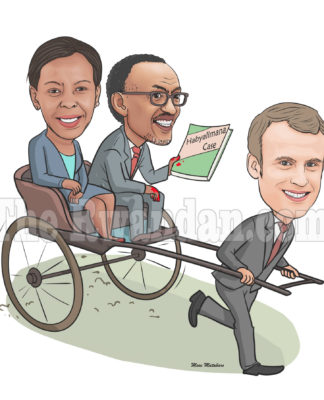
At the centre of Mugenzi’s argument is the event that, in his words, triggered the wider chain of catastrophe: the shooting down of the Rwandan presidential aircraft in April 1994, which killed two sitting presidents and was followed by the genocide and the regional wars that spilled into Congo. For Mugenzi, any peace that avoids this question is built on unstable foundations. He calls for the United States to declassify what it holds in its archives about the attack, on the basis that without full disclosure the region remains trapped in political narratives that reward force and punish truth-telling.
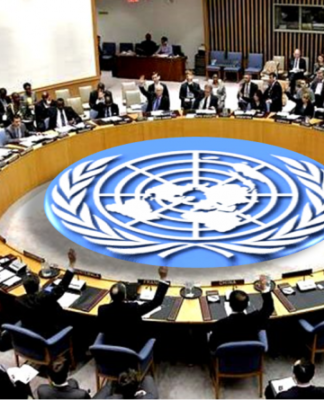
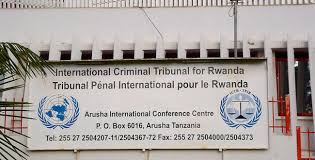
Mugenzi also points to the international justice framework, arguing that parts of it were compromised and that key mechanisms meant to support accountability were never pursued in a serious way. He highlights the need to revive the intent of UN Security Council Resolution 955, adopted in 1994, not as a symbolic gesture but as a route back to the original principle: that the international community should not play favourites with justice, nor allow selective accountability to shape the politics of an entire region.
This is the core of his warning: peace talks can produce documents, photo opportunities, and temporary calm, but they cannot produce durable stability if the underlying story remains censored, disputed, or politically managed. In the Great Lakes region, he suggests, the refusal to clarify the truth has repeatedly empowered the wrong actors and marginalised those who insist on facts.
Mugenzi’s intervention matters because it comes from a journalist who spent nearly three decades overseeing reporting on Rwanda, Burundi, and eastern Congo, and who says his own experience shows the risks faced by those who try to report honestly on the region’s power dynamics. His broader point is simple: when truth becomes negotiable, peace becomes temporary.
If Washington and other international players want a peace agreement that survives beyond signatures, Mugenzi’s message is that they must stop treating the past as a diplomatic inconvenience. Declassification, credible accountability, and an end to selective storytelling are not side issues. In his view, they are the missing foundation without which the region’s conflict will continue to reinvent itself, even after the next “historic” deal.