







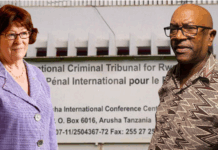
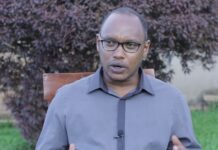
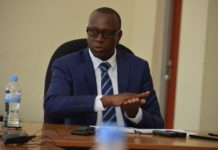
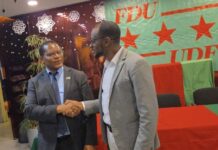
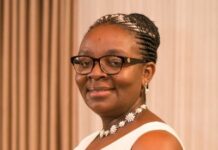
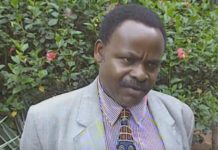
An unflinching conversation with Etienne Gatanazi, a Rwandan journalist in exile, as we expose the brutal realities of Paul Kagame’s regime.
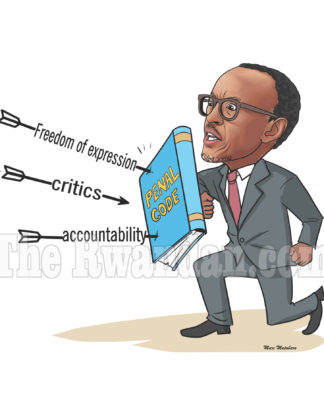
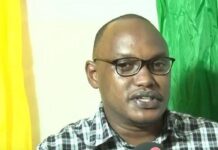
In a recent interview hosted by journalist Denise Zaneza, exiled Rwandan human rights activist and journalist Etienne Gatanazi, now working with Deutsche Welle, offered a rare and candid account of the dangers journalists face under President Paul Kagame’s administration. While Rwanda is frequently praised for its development and stability, Gatanazi describes a nation where press freedom, political opposition, and civic space have been systematically eroded.
“In Rwanda today, freedoms that are fundamental in any democracy—speech, press, and association—are effectively non-existent,” Gatanazi stated.
After launching his independent Real Talk YouTube channel in 2020, Gatanazi began receiving threats and police summons, especially as his content shifted toward political topics. Fear for his safety and the well-being of his family eventually forced him into exile in Germany, where he has remained silent for four years—until now.
“Speaking out while my family was still in Rwanda was not an option. The system targets relatives of critics,” he explained.
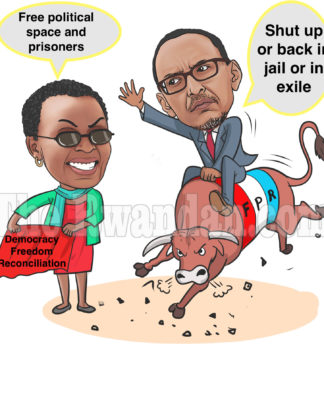
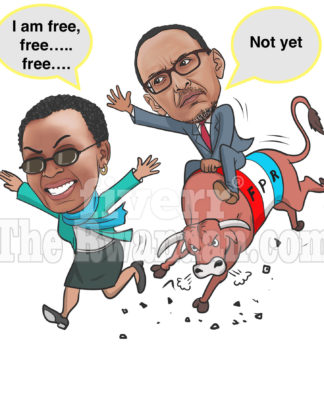
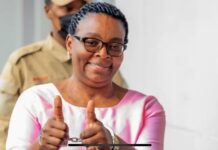
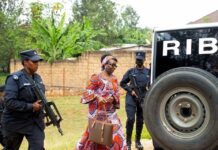
The interview highlighted a broader climate of fear and repression. Journalists like John Williams Ntwali, Dieudonné Niyonsenga, and others have faced imprisonment or death. Political opposition figures, including Victoire Ingabire, have repeatedly been detained under controversial charges, raising concerns about politically motivated prosecutions.
Gatanazi emphasized that fear is deeply embedded in daily life. Citizens avoid public criticism—even over basic infrastructure issues—for fear of retaliation. “Even neighbors are seen as potential informants,” he said.
International organizations echo these concerns. Reporters Without Borders consistently ranks Rwanda among the world’s most repressive countries for journalists. Gatanazi sees this not as an isolated issue, but part of a broader strategy to suppress dissent and control the national narrative.
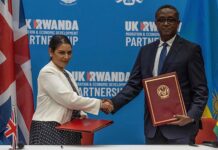
Regionally, Rwanda’s foreign policy has also drawn scrutiny, particularly its alleged involvement in the Democratic Republic of Congo’s conflict. Gatanazi questioned the long-term impact of these actions on Rwanda’s stability and reputation.
Despite the risks, Gatanazi is committed to continuing his work. With his family now safely in Germany, he has relaunched Real Talk and hopes to foster open dialogue.
“This is not about revenge or politics. It’s about giving voice to the silenced and holding power accountable,” he said.
As Rwanda prepares for upcoming elections and faces growing regional tensions, the space for critical journalism and political dissent remains dangerously narrow.
About the Author:
Nadia MUGUNGA is a human rights activist, and independent author with a focus on Rwanda. Committed to truth and justice, I believe in choosing voice over silence and use writing as a tool to advocate for dignity, accountability, and democratic values in the region.