
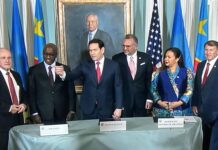



















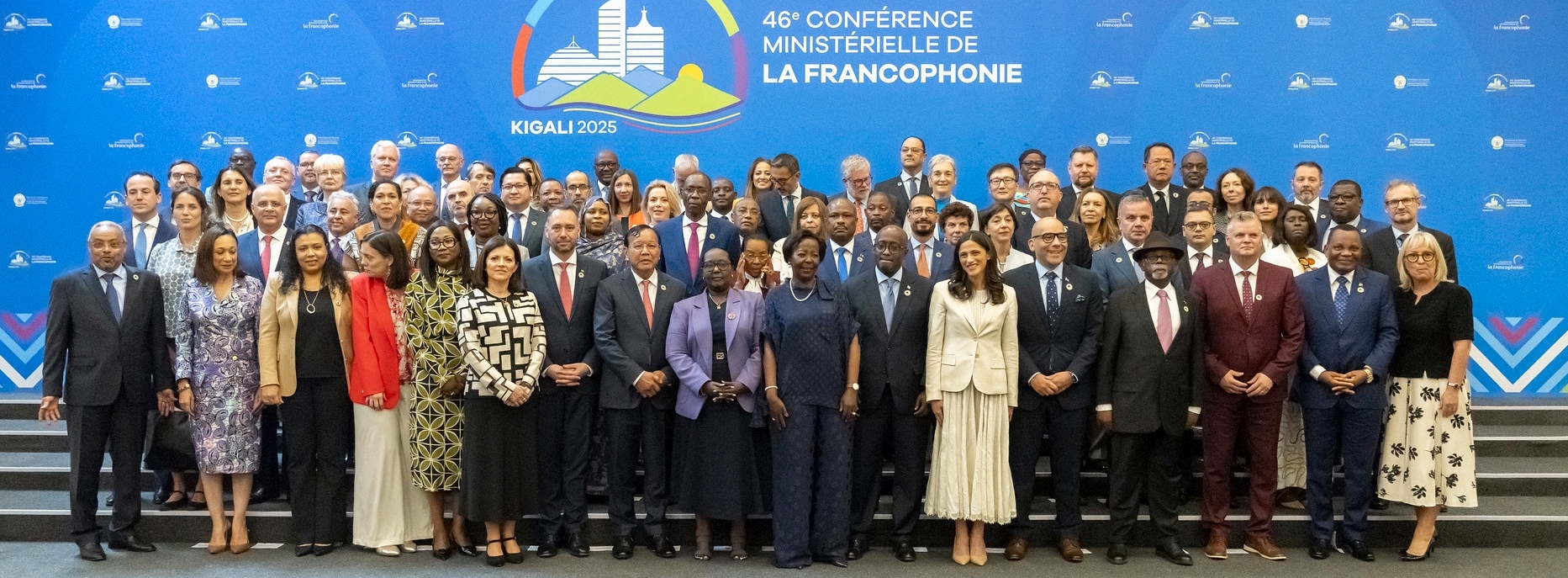
The Ministerial Conference of La Francophonie, which concluded yesterday in Kigali, has raised uncomfortable questions about the organisation’s credibility. Despite growing appeals from human rights defenders, political actors, and members of the Rwandan diaspora, the summit ended without a single public statement on the detention of Victoire Ingabire Umuhoza or on the broader state of political freedoms in Rwanda. Instead of reaffirming its foundational principles, the organisation appeared more concerned with maintaining diplomatic harmony than defending its own values.
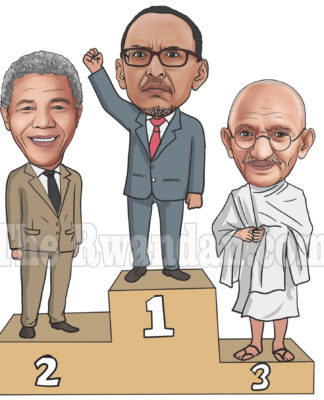
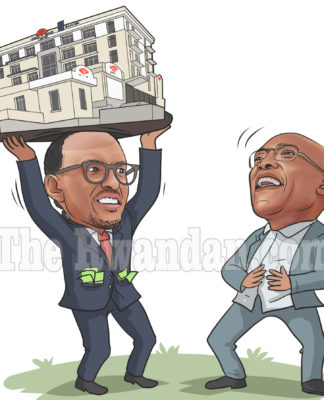
For three days, Kigali delivered a meticulously choreographed showcase. Delegates were welcomed with modern infrastructures, polished speeches, and the familiar narrative of a country that claims to have reconciled stability with rapid development. Yet behind this well-curated image, nothing changed politically. The government provided no gesture of openness, no move towards political tolerance, and no acknowledgement of the growing concerns surrounding civil liberties. The Rwandan authorities controlled the narrative from start to finish, projecting the image of a misunderstood but exemplary state, and La Francophonie allowed itself to be drawn into that storyline without resistance.
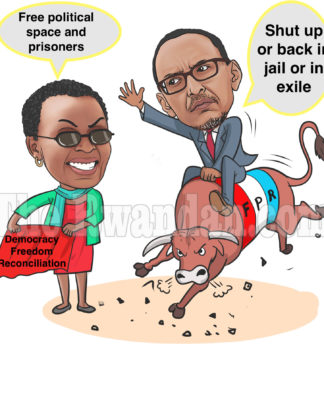
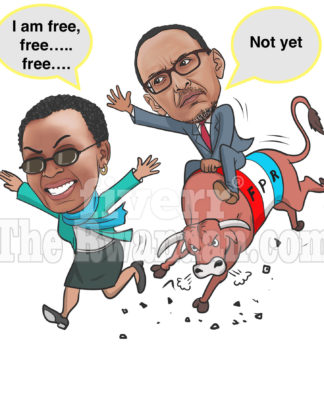
Meanwhile, Victoire Ingabire — the most prominent figure of the peaceful opposition — remained behind bars. Throughout the conference, her name was never publicly mentioned by any minister or official delegate. The silence was striking, especially considering that the so-called “Kigali Appeal” adopted during the summit loudly reaffirmed commitments to women’s rights, equal participation, and protection against discrimination. Yet a woman political leader embodying those very principles continues to languish in detention after a series of abusive arrests and judicial manoeuvres designed to neutralise her influence.
One warning had predicted precisely this outcome. On the eve of the summit, the opposition party PS-Imberakuri released a statement strongly criticising the direction La Francophonie has taken. Its founder, Me Bernard Ntaganda, argued that the organisation has drifted so far from its democratic mission that it now resembles a “Franco-finie,” a weakened structure captured by leaders adept at diplomacy but hostile to genuine pluralism. He also pointed out an irony that many prefer to ignore: the French language — once central in Rwanda — has been sidelined, and the values the organisation claims to uphold are openly violated in the host country. The communiqué called for Ingabire’s immediate release and for an end to the persecution of political opponents, but those appeals were met with complete silence at the conference.
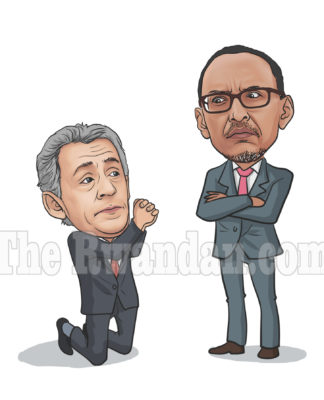
In choosing caution over principle, La Francophonie has trapped itself. The organisation’s reluctance to confront a powerful member state reinforces the perception that it has become hesitant, inconsistent, and unable to defend its own charter when it matters most. This is not a new trend, but the Kigali conference has made it more visible than ever.
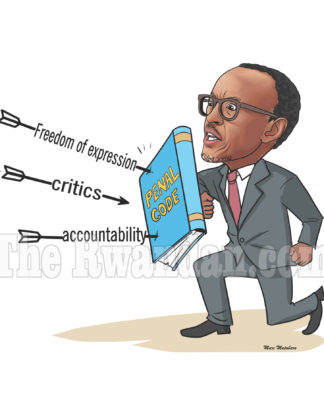
Inside Rwanda, the political landscape remains as restrictive as before the summit. Arbitrary arrests continue, independent journalists face constant pressure, disappearances remain unexplained, and political trials are handled with speed and predictability. The gap between the country’s polished international image and the reality experienced by dissenting voices has become a defining feature of the system. The summit did nothing to change that dynamic. If anything, it strengthened it.
For many activists, the conference represented a rare opportunity for La Francophonie to reaffirm that democratic principles cannot be selectively applied. That opportunity has been lost. The letter addressed to the Secretary General by multiple organisations had outlined simple, reasonable requests: the release of Victoire Ingabire, an opening of the civic space, an end to politically-motivated prosecutions, and a clear statement that the organisation refuses to be used as a diplomatic shield. None of these concerns were addressed.
The conference in Kigali has produced a clear winner and a clear loser. The Rwandan government leaves the event with enhanced prestige, having conceded nothing politically. La Francophonie leaves with its credibility diminished, overshadowed by its own timidity. And those who defend democratic rights in Rwanda are left once again with the sense that international partners are willing to look the other way when confronted with uncomfortable truths.
In a context where political repression persists, the silence of La Francophonie is not neutral. It has consequences. It signals to those in power that the cost of silencing opponents remains low, and it raises an unavoidable question: if the organisation cannot defend its values in Kigali, where will it defend them at all?