

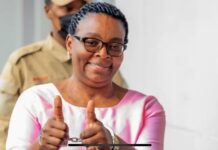





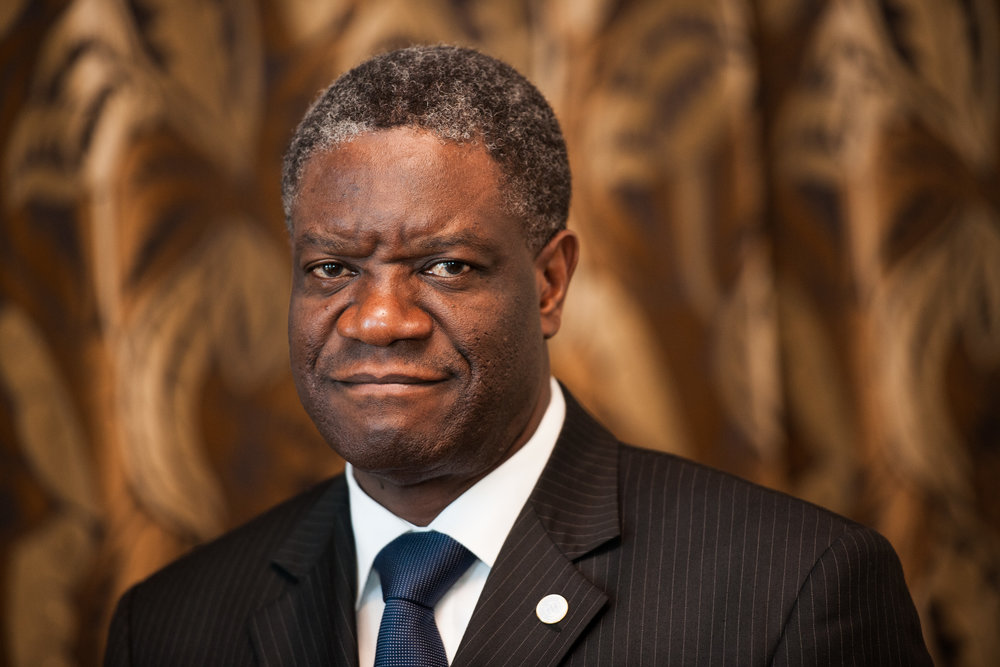
On Monday, March 17, 2025, Nobel Peace Prize laureate and human rights advocate Denis Mukwege issued a strong statement opposing direct negotiations between the Congolese government and the M23 rebel group. He denounced what he described as a misguided approach that ignores the international dimension of the conflict in eastern Democratic Republic of Congo (DRC) and warned that such talks, in the absence of a broader International Peace Conference, could amount to either a misdiagnosis of the crisis or a betrayal of the Congolese nation.
Mukwege emphasized that the war devastating eastern DRC is not an internal conflict, but rather a regional and international crisis. He pointed to the direct involvement of Rwanda, Uganda, and Burundi, as well as the presence of military forces from the Southern African Development Community (SADC) and the East African Community (EAC). He further highlighted the strategic interests of global powers and multinational corporations in securing access to critical minerals essential for digital technology, energy transition, and defense industries.
According to Mukwege, attempting to resolve the conflict through bilateral talks with M23 alone would legitimize Rwanda’s aggression and occupation of Congolese territory. He warned that negotiating under the threat of arms would set a dangerous precedent, reinforcing the law of the strongest instead of upholding justice and sovereignty.
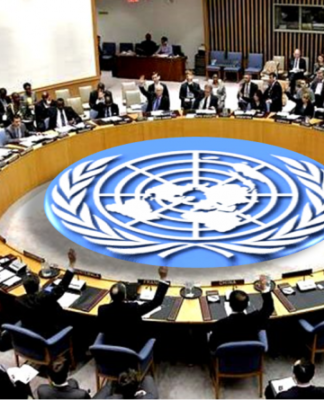
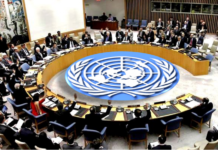
Mukwege urged full implementation of UN Security Council Resolution 2773, which demands an immediate and unconditional ceasefire and calls on the Rwandan Defense Forces to withdraw from the DRC without preconditions. He stressed that this resolution represents a major diplomatic step forward and should take precedence in all discussions about peace in the region.
To prevent a repeat of past compromises that have weakened the DRC’s sovereignty, Mukwege called for an International Peace Conference. This conference, he argued, would be a revitalization of the 2013 Addis Ababa Peace Framework and serve as a high-level platform to coordinate diplomatic, political, and economic solutions. It would also mobilize the necessary resources to address the root causes of the crisis.
Mukwege maintained that only after this international framework is reinforced, and accountability is established, can inclusive negotiations take place. Such a dialogue, he said, should involve not only M23 but also all armed groups, civil society, political parties, and the Congolese government. He acknowledged the efforts of Angolan President João Lourenço, but insisted that any future negotiations must strictly adhere to the principles of sovereignty and territorial integrity as defined by the African Union Charter.
Mukwege issued a stark warning against the risk of balkanization or the creeping annexation of North and South Kivu by foreign powers. He cautioned that hasty and shortsighted peace agreements would only serve to institutionalize instability, leaving future generations trapped in a cycle of violence and foreign exploitation.
As the international community deliberates the next steps in addressing the DRC’s crisis, Mukwege’s call for a comprehensive, internationally backed solution underscores the urgent need to shift from fragmented peace deals to a holistic, long-term strategy that upholds the rights and sovereignty of the Congolese people.