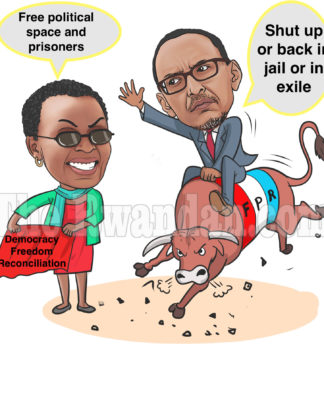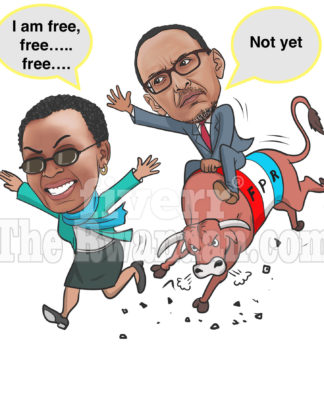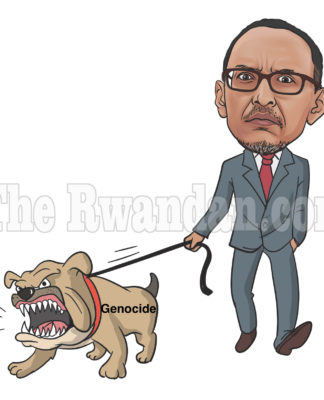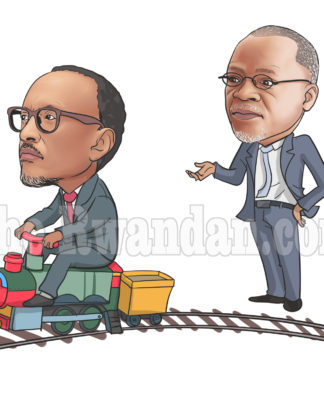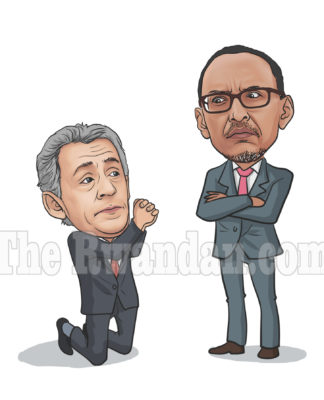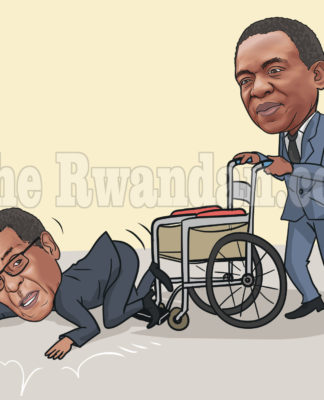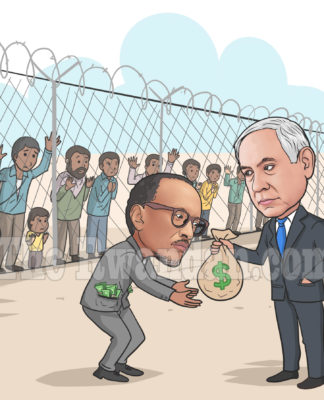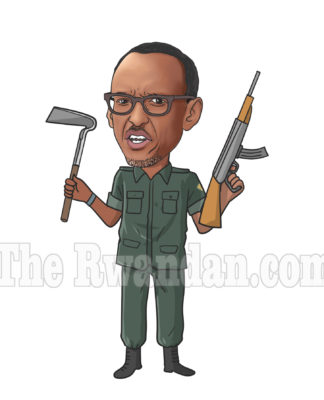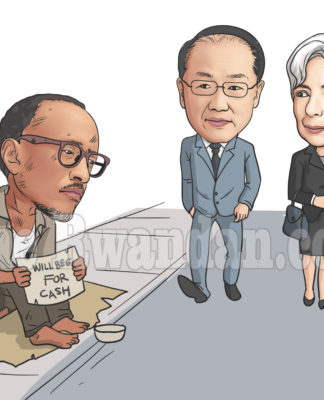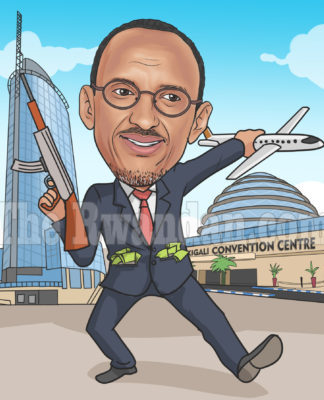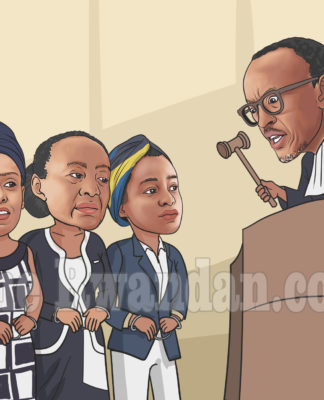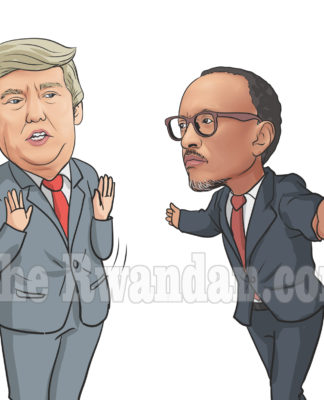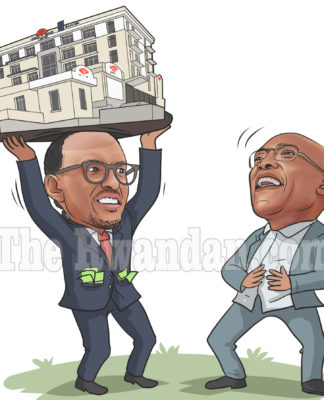













Great leaders rely on truth to guide their nations through crises. They offer honest assessments, seek real solutions, and inspire confidence through integrity. But for General Paul Kagame, deception remains his preferred strategy. Faced with increasing Western sanctions and mounting evidence of Rwanda’s involvement in the war in the Democratic Republic of Congo (DRC), Kagame has once again chosen falsehood over truth, using propaganda, deflections, and outright fabrications to conceal his regime’s destabilizing role in the region.
For decades, the reality of Rwanda’s interference in the DRC has been well-documented by the United Nations, human rights organizations, and independent journalists. Yet, Kagame continues to rewrite history, portraying himself as a victim rather than the aggressor he truly is. The recent escalation of violence in eastern Congo once again exposes his preference for manipulation over accountability.
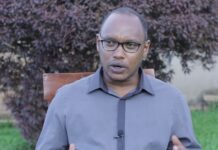
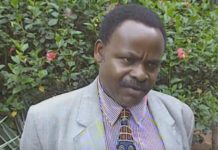
According to Dr. Theogene Rudasingwa, co-founder of the Rwanda Truth Commission and the Rwanda Freedom Movement-ISHAKWE, one of Kagame’s biggest lies is his claim that Rwanda is not involved in the M23 rebellion. His government insists that M23 is an indigenous Congolese movement with no ties to Rwanda. However, overwhelming evidence contradicts this narrative. UN reports, independent investigations, and testimonies from former insiders confirm that Rwanda has deployed up to 10,000 soldiers in the DRC, arms M23, recruits fighters within Rwanda, and provides logistical and strategic support. Satellite images, intercepted communications, and captured fighters have all confirmed Rwanda’s direct involvement. Kagame’s denial is not only a lie, but also an insult to the intelligence of those following the conflict.
Dr. Rudasingwa highlights another recurring falsehood of Kagame—his claim that Rwanda is a victim rather than an aggressor. The Rwandan leader justifies his military incursions into the DRC by exaggerating the threat of the FDLR, a militia composed of remnants of the 1994 genocide perpetrators. While the FDLR does exist, it is no longer a significant military force and poses no existential threat to Rwanda. However, Kagame manipulates this perceived threat to justify his military expansionism and his continued plundering of the DRC’s natural resources.
Another falsehood from Kagame, as noted by Dr. Rudasingwa, is his claim that the conflict in eastern Congo is purely an internal Congolese issue. While the DRC does face governance challenges, Rwanda’s role in fueling the violence cannot be ignored. Economic exploitation is at the heart of this strategy. For years, Kigali has profited from Congolese minerals, using war as a cover to fund its economy through the illegal extraction of coltan, gold, and tin. Reports from the UN and independent researchers have repeatedly linked Rwanda’s military and economic elites to this illegal trade.
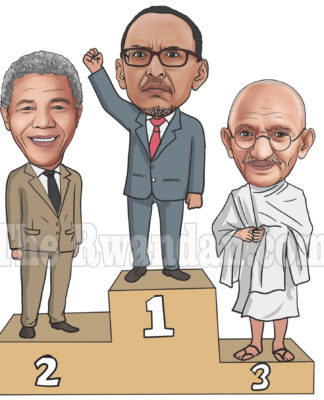
Kagame presents himself as a champion of peace and regional stability, but his role in destabilizing the Great Lakes region is undeniable. His repeated military interventions in the DRC have resulted in millions of deaths and displaced persons since the late 1990s. For years, certain Western governments turned a blind eye to his crimes, considering him a strategic partner. Yet, behind the carefully maintained image of a visionary leader, Kagame operates as a ruthless autocrat.
Dr. Rudasingwa insists on Kagame’s double standard, particularly in his use of Pan-African rhetoric. Kagame claims to defend African unity, but his actions tell a different story. Instead of promoting regional cooperation, Kagame has sown division, interfered in the affairs of neighboring states, and supported destabilizing rebellions. His army has fought against South Africa, Uganda, Burundi, Tanzania, Malawi, Namibia, Zimbabwe, and Angola during his military campaigns in the DRC. For Dr. Rudasingwa, true Pan-Africanism is not about regional domination through war, but about mutual respect and cooperation among African nations.
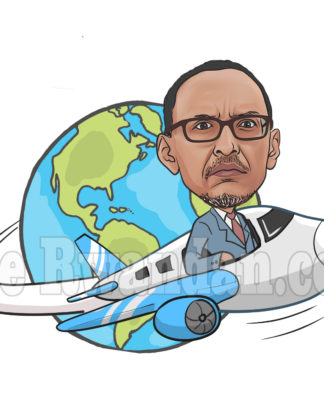
History shows that leaders who manipulate the truth eventually fall. Dr. Rudasingwa compares Kagame to Nero, the Roman emperor who played his lyre while Rome burned. While Central Africa suffers from war, poverty, and instability, Kagame spends millions sponsoring European football teams, organizing cycling events, and bidding for a Formula 1 Grand Prix in Rwanda.
An African proverb warns, “The child who says his mother will not sleep will himself stay awake.” Kagame believes he can manipulate the truth indefinitely, waging war while maintaining tight authoritarian control over Rwanda. But the consequences of his lies could soon trigger a major regional catastrophe.
The time has come to resist, reconcile, and rebuild. Rwandans and Congolese must unite against authoritarianism and war, demand justice and democracy, and refuse to be hostages to Kagame’s ambitions. The international community must not remain silent.
As Dr. Theogene Rudasingwa states, “Change is inevitable.” Africans and their allies must strengthen sanctions, support democratic movements, and amplify the voices of the oppressed. The future of Rwanda, the DRC, and Africa depends on this fight for truth, justice, and freedom. Resist. Reconcile. Rebuild.