





















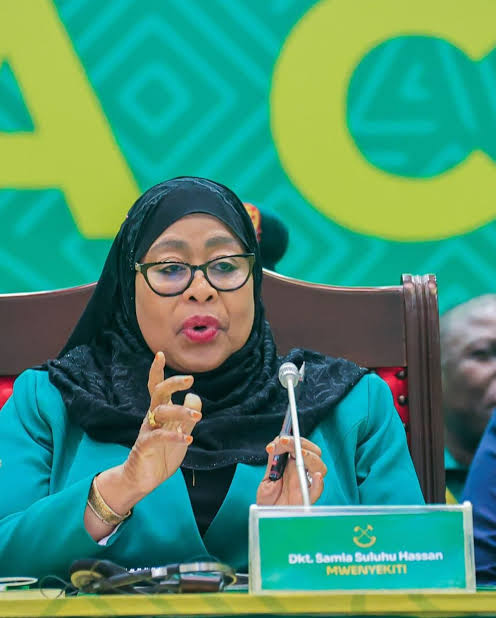
Tanzania’s recent political unrest has unsettled a country long regarded as one of East Africa’s most stable states. Demonstrations during the election period have raised uncomfortable questions about their origins, the nature of domestic discontent, and the possible influence of external actors in a region where politics and security are tightly intertwined.
Since taking office in March 2021 following the death of President John Magufuli, Samia Suluhu Hassan has led a clear shift in policy. She moved away from Magufuli’s isolationist stance and reopened Tanzania to the world, restoring ties with Western partners and intensifying diplomacy across Africa, the Middle East, Europe, Asia and the United States. Her government has pushed reforms to improve the business climate, expanded social programmes in health, education and water, and promoted gender equality as a national priority. Restrictions on political activity were partially eased, including the lifting of a ban on opposition rallies in 2023.
Economically, Tanzania has maintained steady growth, moderate inflation and relatively low public debt compared with other members of the East African Community. Regulatory reforms have aimed to attract foreign investment, simplify tax procedures, increase expatriate quotas and streamline licensing. At the regional level, Dar es Salaam has sought closer ties with Kenya, Uganda and Mozambique, positioning itself as a key trade and logistics hub for landlocked neighbours and a participant in major infrastructure and energy projects such as the East African Crude Oil Pipeline.
Against this backdrop, the sudden eruption of protests appears, at least on the surface, difficult to reconcile with the government’s reformist narrative. The ruling Chama Cha Mapinduzi (CCM), founded by independence leader Julius Nyerere, remains one of the most entrenched political organisations in Africa, and President Samia Suluhu Hassan’s decision to seek another mandate follows a long tradition of continuity within the party. Yet the unrest suggests that political stability in Tanzania, as elsewhere on the continent, cannot be taken for granted.
The exclusion of opposition figures from political competition is not unique to Tanzania. Across Africa and beyond, legal and political mechanisms have sidelined challengers, sometimes through controversial court rulings, electoral commission decisions or administrative barriers. From West Africa to Europe, disqualifications and detentions have shaped electoral landscapes, often blurring the line between rule of law and political manoeuvring.
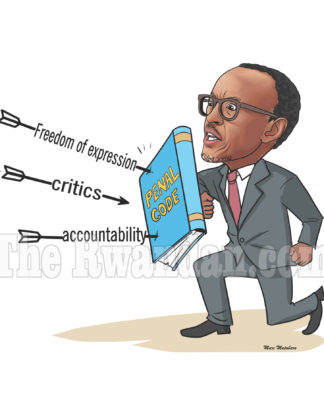
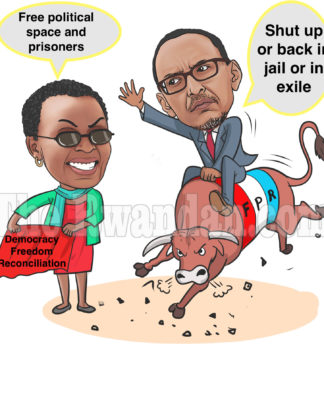
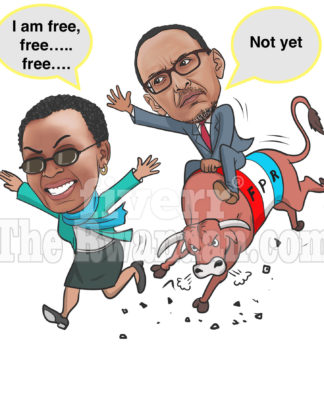
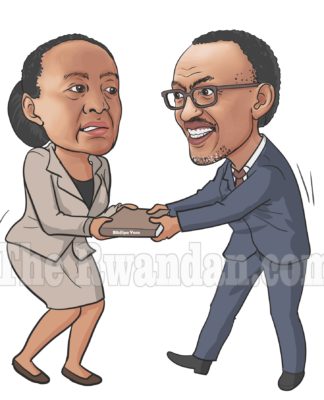
What makes the Tanzanian case particularly sensitive is the regional context. Long-standing tensions between Tanzania and Rwanda date back more than a decade. In 2013, President Paul Kagame publicly warned foreign actors against engaging with Rwandan rebel groups, comments that Tanzanian officials interpreted as a veiled threat. Diplomatic exchanges at the time were unusually sharp, reflecting deep mistrust between the two governments.
In recent years, Tanzania has taken a clear position in support of the Democratic Republic of Congo against the M23 rebellion, a group widely accused of receiving backing from Kigali. This stance has placed Dar es Salaam on the opposite side of one of the Great Lakes region’s most persistent conflicts. Allegations have circulated that Rwandan actors sought to destabilise Tanzania ahead of its elections, infiltrating cities, coordinating protests and exploiting local criminal networks to amplify unrest. These claims remain difficult to verify, but they underline how domestic politics in East Africa are often inseparable from regional power struggles.
Whether or not external interference played a decisive role, the Tanzanian protests highlight the fragility of political stability in a region shaped by history, security dilemmas and geopolitical competition. President Samia Suluhu Hassan’s government faces the challenge of managing internal dissent while navigating a complex regional environment where alliances and rivalries can quickly spill across borders.
For Tanzania, the current moment is a test of its reform agenda and diplomatic balancing act. For the region, it is another reminder that political events in one country rarely occur in isolation, and that the Great Lakes remain one of Africa’s most strategically contested political theatres.












 Therwandan
