












Brussels, April 19, 2025 — In a landmark statement issued this week, IGICUMBI – The Voice of Survivors of the Genocide Against the Tutsi – has formally stripped the Rwandan Patriotic Front (RPF) of its long-assumed role as guardian of the genocide’s memory and history. The declaration, signed in Brussels by the association’s president, Dr. Philippe Basabose, accuses the RPF of grave abuses against genocide survivors and of politicizing their collective memory for its own gain.
The 6-page document, addressed to global leaders and major international human rights institutions, marks a rare and direct challenge to the Rwandan regime by an independent survivor-led organization. IGICUMBI, registered as a non-profit in Belgium, says it represents voices silenced or manipulated by associations “co-opted” by the RPF.
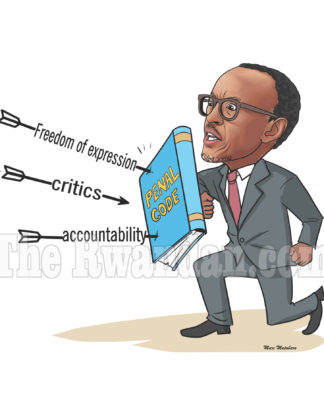
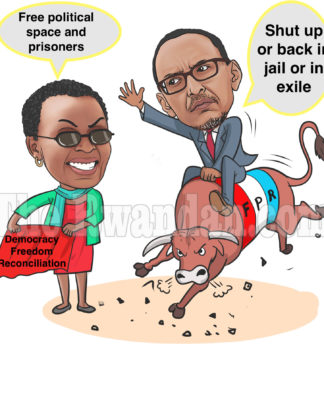
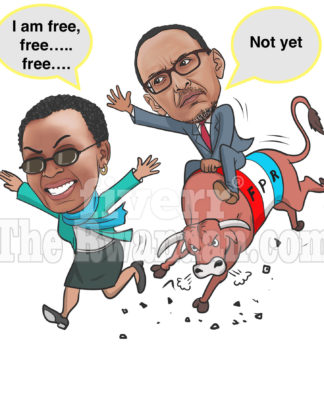
IGICUMBI accuses the RPF of systematically killing influential survivors who could have served as mentors or advocates for their peers. These assassinations, both in Rwanda and abroad, are allegedly meant to enforce obedience within the survivor community. Survivors who dissent, the group states, have faced unjust imprisonment, physical violence, and economic marginalization. Names cited include Déogratias Mushayidi, Yvonne Idamange Iryamugwiza, and Aimable Karasira Uzaramba—individuals who remain in prison under harsh conditions, some sentenced to life.
The RPF is accused of infiltrating survivor associations, appointing non-survivors to leadership positions, and using these bodies to promote its political narrative. This, IGICUMBI argues, has undermined survivor solidarity and poisoned relations with the broader Rwandan population, particularly the Hutu community. IGICUMBI denounces what it calls the RPF’s “usurpation” of genocide memory, turning it into a political instrument. Survivors are pressured to conform to an official narrative and participate only in state-sanctioned commemorations.
The declaration also revives longstanding controversies, such as the RPF’s alleged role in the downing of the plane carrying President Juvénal Habyarimana in April 1994—an event that triggered the genocide. It accuses the RPF of blocking UN interventions that could have saved lives and exploiting the genocide to justify continuous military interventions in the Democratic Republic of Congo, where many survivors have reportedly been sent to the front lines under “patriotic” pretexts.
IGICUMBI calls on the international community to end its partnership with the RPF on issues of genocide memory and survivor representation. “The RPF is no longer a credible or honest stakeholder,” the document reads, warning of further atrocities “orchestrated to serve its political agenda.” The group affirms its readiness to assume the custodianship of the genocide’s memory alongside other independent survivor voices and with partners of its choosing. It urges fellow survivors to break their silence and resist political manipulation.
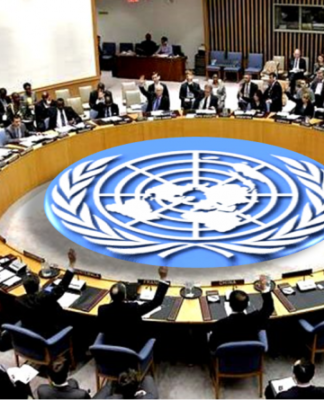
The declaration was sent to dozens of global leaders and institutions, including UN Secretary-General António Guterres, French President Emmanuel Macron, US leaders Donald Trump and Mike Johnson, and the heads of Human Rights Watch, Amnesty International, and the African Union. Notably, Rwandan President Paul Kagame and RPF Secretary General Wellars Gasamagera were also copied, signaling a direct confrontation.
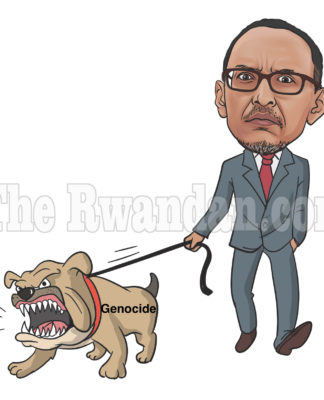
This unprecedented move may mark a turning point in post-genocide Rwanda’s contested politics of memory. By challenging the RPF’s moral authority, IGICUMBI seeks to reframe survivor narratives on their own terms—independent of state control and political expedience. Whether international institutions will respond—or remain aligned with Rwanda’s official line—remains to be seen.