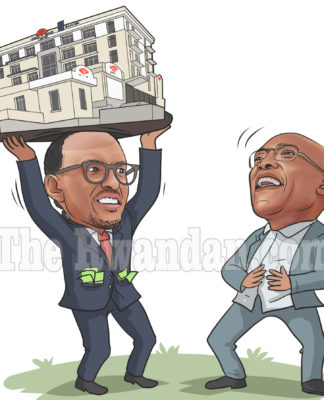

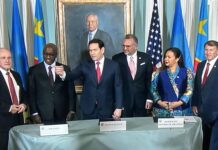




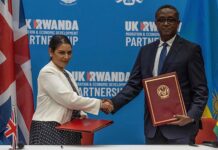



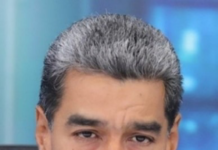





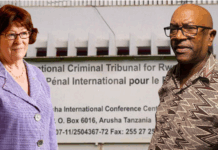

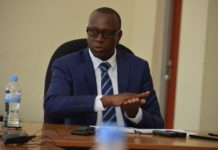



Facing growing isolation and international condemnation for its alleged support of the M23 rebels in eastern Democratic Republic of Congo (DRC), the Rwandan government has adopted a new communication strategy. With mainstream media increasingly critical of its actions, Kigali has turned to social media influencers to reshape its image and counter accusations of military aggression and resource exploitation. This shift reveals the regime’s reliance on digital propaganda to manage its reputation as accusations of war crimes and illegal mineral trafficking mount.
Since 2021, Rwanda has been accused of deploying between 12,000 and 15,000 troops to eastern DRC to support the M23, a rebel group responsible for numerous atrocities, including mass displacements, summary executions, and illegal mining activities. Despite Kigali’s denials, multiple UN reports and statements from Western governments have presented evidence of Rwandan military backing for M23. The alleged aim is not to protect Congolese Tutsis, as Kigali claims, but to gain control of mineral-rich territories in North and South Kivu.
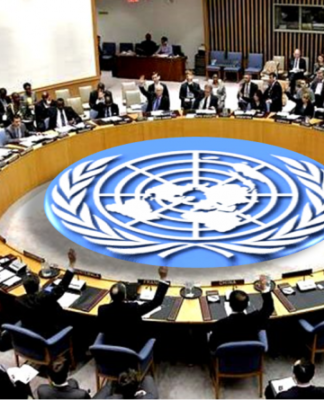
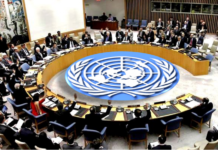
International sanctions have followed swiftly. The United States, United Kingdom, Germany, Belgium, and Canada have imposed economic and political sanctions. The European Union and the United Nations Security Council have condemned Rwanda’s actions.
Faced with mounting diplomatic and economic pressure, Rwanda’s new strategy has been to court influential social media personalities. Kigali has offered all-expenses-paid visits to well-known influencers, including tours of Rwanda’s mining sites aimed at justifying the country’s massive mineral exports despite its limited domestic production capacity. And access to eastern DRC’s territory under control of Rwanda and M23. The objective is clear: to create a narrative that shifts blame to the DRC government while presenting Rwanda as a victim of international bias.
Not all influencers took the bait. Alexandre Robert, a YouTube content creator for the History Legends channel, declined Kigali’s offer, citing ethical concerns about accepting government-sponsored trips to conflict zones. However, others accepted. Influencers like Mario Nawfal and Rutendo Matinyarare traveled to Rwanda, met with President Paul Kagame, and conducted interviews that were later disseminated to millions of followers across Twitter, YouTube, and Instagram.
During these interviews, Kagame predictably adopted a victim narrative, accusing Western powers and DRC’s President Félix Tshisekedi of conspiring against Rwanda. He dismissed allegations of supporting M23 as fabrications aimed at undermining his regime. This narrative has been a staple of Kagame’s foreign policy—presenting Rwanda as a small but resilient nation surrounded by hostile forces, despite the mounting evidence of its role in destabilizing eastern DRC.
Mario Nawfal, while attempting to maintain a neutral tone, has been criticized for repeating Kigali’s talking points without substantial scrutiny. His videos showcased Rwanda’s urban development and Kagame’s governance but conveniently ignored the documented evidence of Rwanda’s involvement in resource exploitation and the financing of rebel groups. The timing of his visits and the access provided to him raised questions about the independence of his reporting.
Rutendo Matinyarare, on the other hand, has become a full-fledged propagandist for Kigali. Since his visit, his content has lionized M23 fighters and portrayed them as liberators defending Tutsi communities from alleged genocidal forces, a narrative Kigali has consistently pushed to justify its military interventions. Matinyarare’s videos, often shared widely on X, present a one-sided view of the conflict, glossing over the war crimes and human rights abuses committed by M23, including executions, kidnappings, and the illegal extraction of coltan, gold, and tantalum, much of which is smuggled through Rwanda.
The financial motivations behind these influencers’ trips have not gone unnoticed. Social media users have accused Nawfal, Matinyarare, and others of being paid by Kigali to sanitize its image. The Rwandan government’s extensive use of public funds for international PR campaigns is well-documented, with millions spent on lobbying and media engagements in Europe and North America. These campaigns are designed to overshadow reports highlighting Rwanda’s debt crisis and its reliance on foreign aid, which makes up nearly 40% of the national budget.
The strategy of using social media influencers also reflects Kigali’s desperation as traditional media outlets continue to expose its involvement in eastern DRC. While influential figures can sway public opinion temporarily, their credibility is fragile. The backlash from users accusing them of being on Kigali’s payroll has sparked debates about the ethics of influencer marketing in conflict zones and the blurred line between journalism and propaganda.
Analysts argue that Rwanda’s real goal is to divert attention from its illegal exploitation of DRC’s mineral resources. Despite being one of the leading exporters of strategic minerals such as coltan and tantalum, Rwanda’s domestic production capacity is limited. According to multiple sources, a significant portion of these minerals originates from DRC and is mixed with Rwanda’s own production to disguise their true origin. This scheme has allowed Rwanda to finance its military expenditures and sustain its regional influence despite its growing debt burden, which has more than doubled over the past decade.
Kigali’s decision to bypass traditional media scrutiny and invest heavily in social media propaganda suggests a government on the defensive, struggling to contain a rapidly deteriorating image abroad. With many people displaced in eastern DRC and the conflict showing no signs of abating, Rwanda’s social media offensive seems more like a last-ditch effort to salvage its reputation rather than a sustainable long-term strategy.