





















By Ben Barugahare
The igihe.com article “Six years of freedom for Victoire Ingabire: A path of controversy and defiance” appears as a calculated effort to undermine Victoire Ingabire’s credibility and position as a political voice within Rwanda and on the international stage. While ostensibly providing a critique of her actions since her release, the article reflects a broader trend in state-aligned Rwandan media to discredit individuals critical of the government, particularly those with significant international recognition.
Silencing Dissent Through Public Shaming
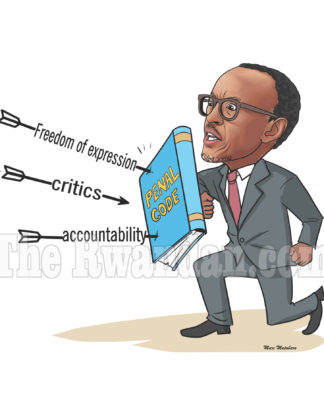
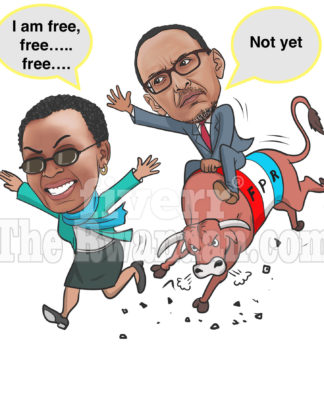
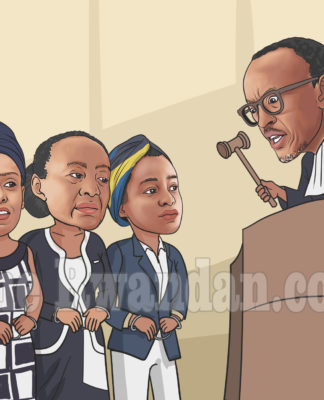
The article paints a picture of Victoire Ingabire as a defiant and divisive figure, using allegations of ethnic division, ties to armed groups, and destabilisation to discredit her. Such accusations have been a common tactic used by the Rwandan government against opposition figures. By framing Ingabire’s post-prison political activities as law-defying and dangerous, the narrative attempts to justify any future suppression, including potential legal or extrajudicial measures.
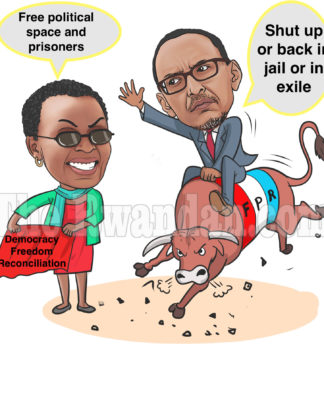
President Kagame’s implicit warning during the Unity Club Forum underscores the government’s intent to maintain strict control over opposition voices. The veiled threat reinforces the perception that the government is uncomfortable with dissent, particularly from individuals like Ingabire who use international platforms to highlight issues such as political freedoms and human rights violations.
Targeting International Recognition
he article’s dismissal of James Cook University’s invitation to Ingabire and its criticism of her being described as a “champion of democracy, human rights, and the rule of law” reveal a clear anxiety about her growing international reputation. This portrayal attempts to delegitimize her as an advocate for democracy by rehashing past accusations, including her controversial remarks at the Kigali Genocide Memorial and supposed ties to armed groups.
However, the article fails to acknowledge that international platforms recognise her because of her consistent advocacy for political reforms and her criticism of Rwanda’s constrained political space. By focusing on unproven or contested allegations, the article diverts attention from the substantive issues she raises, such as the lack of political plurality, human rights concerns, and suppression of dissent in Rwanda.
Manipulative Framing of Ethnic and Political Allegations
The accusations of ethnic division, such as claims that Ingabire excluded Tutsis in her political recruitment efforts, are serious but lack verifiable evidence. Such allegations, especially in a post-genocide context, are particularly inflammatory and appear designed to discredit Ingabire domestically. Similarly, the rebranding of her party from FDU-Inkingi to DALFA-Umurinzi is framed as a deceptive tactic, ignoring the realities of operating in a political environment that suppresses opposition.
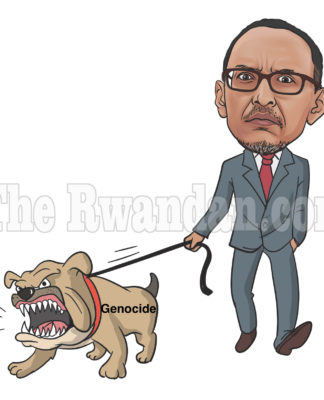
The narrative also links Ingabire to armed groups like the FDLR and Wazalendo militia, leveraging long-standing accusations that lack substantive proof to tarnish her reputation further. These accusations align with a broader government strategy to associate dissenting figures with security threats, effectively criminalising their political activities.
Fear of an Independent Voice
What emerges from this article is not just an attack on Victoire Ingabire’s actions but a clear effort to silence her voice. The government and its supportive media appear to be alarmed by her ability to leverage international attention to critique Rwanda’s political system and human rights record. The recurring theme of “destabilisation” serves as a justification for further suppression, portraying her advocacy as a threat to Rwanda’s stability.
This fear is likely rooted in her ability to challenge the official narrative of reconciliation and governance in Rwanda. Her critique of political repression and her advocacy for democratic reforms resonate beyond Rwanda’s borders, potentially influencing international perspectives on the country.
Conclusion
The article is less a balanced critique and more a strategic attempt to delegitimize Victoire Ingabire as a political figure. By focusing on accusations of ethnic division, destabilisation, and ties to armed groups, it seeks to frame her as a threat to Rwanda’s stability rather than addressing the substantive issues she raises.
This approach reflects the Rwandan government’s broader strategy to control dissenting voices and limit the impact of opposition figures on the international stage. The narrative of defiance and controversy is constructed to justify silencing her, while her growing recognition abroad highlights the government’s discomfort with her continued advocacy for political reform and human rights.