

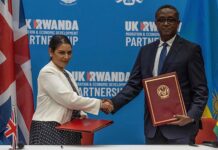









Planned peace talks between Rwandan President Paul Kagame and Democratic Republic of Congo (DRC) President Félix Tshisekedi in Luanda, Angola, were abruptly postponed, a move that has intensified the ongoing crisis in the Great Lakes region. The summit, originally scheduled for December 15, 2024, was intended to address the conflict in eastern Congo, a region plagued by armed groups and mutual accusations between the two nations. However, Rwanda’s insistence on preconditions and last-minute changes derailed the meeting, leaving the conflict unresolved.
Tensions between the DRC and Rwanda have simmered for years, with eastern Congo remaining a hotspot of violence driven by mineral wealth, ethnic divisions, and competing political interests. The most contentious issue in the postponed talks was Kigali’s demand for a direct dialogue between the DRC government and the M23 rebel group, which the DRC vehemently opposes. Kinshasa views M23 as a proxy force backed by Rwanda, a claim Kigali denies despite evidence presented by United Nations experts suggesting otherwise.
The DRC’s refusal to negotiate with M23 highlights the deep mistrust between the two countries. Earlier agreements, including Angola’s proposed roadmap for peace, emphasized disarmament and disengagement of all foreign troops, including Rwandan forces operating in eastern Congo. Despite these agreements, fighting has continued unabated, displacing millions and exacerbating one of the world’s largest humanitarian crises.
Angola’s mediation efforts, led by President João Lourenço, had raised hopes for progress. The talks in Luanda were expected to build on commitments made in previous negotiations, including disengagement plans for Rwandan forces and strategies to neutralize armed groups such as the FDLR. Yet, Rwanda’s last-minute insistence on including M23 in direct negotiations with the DRC created an impasse.
The presence of former Kenyan President Uhuru Kenyatta in the mediation efforts had added credibility and optimism to the process. Kenyatta, deeply involved in the Nairobi peace initiative for the DRC, played a crucial role in narrowing the gaps between the conflicting parties. His involvement aimed to provide a neutral perspective and push for an inclusive solution that addresses the root causes of the conflict. Yet, the persistent divisions between Rwanda and the DRC limited the impact of these efforts.
Rwandan Foreign Minister Olivier Nduhungirehe stated that the DRC’s refusal to engage with M23 was a direct contradiction of commitments made earlier in the peace process. He further accused the DRC of failing to take meaningful action against the FDLR, a Hutu rebel group operating in eastern Congo. Kigali views the FDLR as a significant security threat, often citing it as justification for its involvement in the region.
In contrast, the DRC has consistently accused Rwanda of destabilizing its territory by supporting M23 and exploiting the region’s resources. President Tshisekedi has also alleged a deliberate strategy by Rwanda to depopulate certain areas of eastern Congo and repopulate them with Rwandophone communities favorable to Kigali, though these claims remain unsubstantiated.
The stakes of the Luanda summit were high, given the escalating violence in North Kivu and the humanitarian toll on civilians. Reports from the DRC army accused M23 of executing at least 12 civilians in Lubero within a week, intensifying public outrage against the rebel group and its alleged Rwandan backers. The Congolese military has vowed to document such atrocities and hold perpetrators accountable, further hardening Kinshasa’s stance against negotiations with M23.
The failure of the Luanda talks underscores the broader geopolitical dynamics at play. Analysts suggest that Kagame’s decision to withdraw from the summit may have been calculated to avoid signing an agreement that explicitly acknowledges the presence of Rwandan forces in eastern Congo. Such acknowledgment could expose Kigali to international scrutiny, sanctions, and condemnation. Instead, Rwanda’s push for direct negotiations between the DRC and M23 shifts the narrative, portraying the conflict as an internal Congolese matter.
Critics argue that Rwanda’s position undermines regional peace efforts. By conditioning its participation on the DRC’s engagement with M23, Kigali appears to prioritize its strategic interests over broader stability. This approach has drawn condemnation from Congolese officials, with some accusing Rwanda of deliberately stalling peace processes to maintain influence in the region.
Angola, as the mediator, has faced the challenge of balancing these conflicting narratives while keeping both parties committed to dialogue. Former Kenyan President Uhuru Kenyatta, also involved in regional mediation efforts, has emphasized the need for a comprehensive approach that addresses the root causes of the conflict. However, achieving consensus among stakeholders has proven elusive.
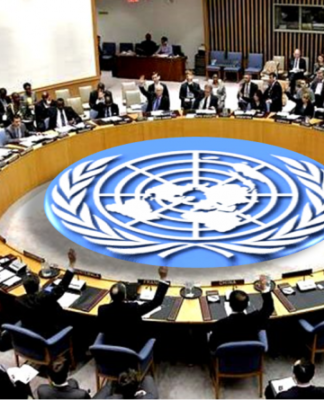
The postponement of the Luanda summit has also raised questions about the role of the international community. While organizations such as the United Nations have condemned the violence and called for a ceasefire, concrete actions to enforce peace agreements and hold violators accountable remain limited. The United States, for instance, expressed grave concern over ceasefire violations by M23 but has stopped short of imposing significant pressure on Rwanda.
Meanwhile, the humanitarian situation in eastern Congo continues to deteriorate. Over seven million people have been displaced, with many living in dire conditions. The continued fighting has disrupted aid delivery and hindered efforts to address the needs of vulnerable populations.