





















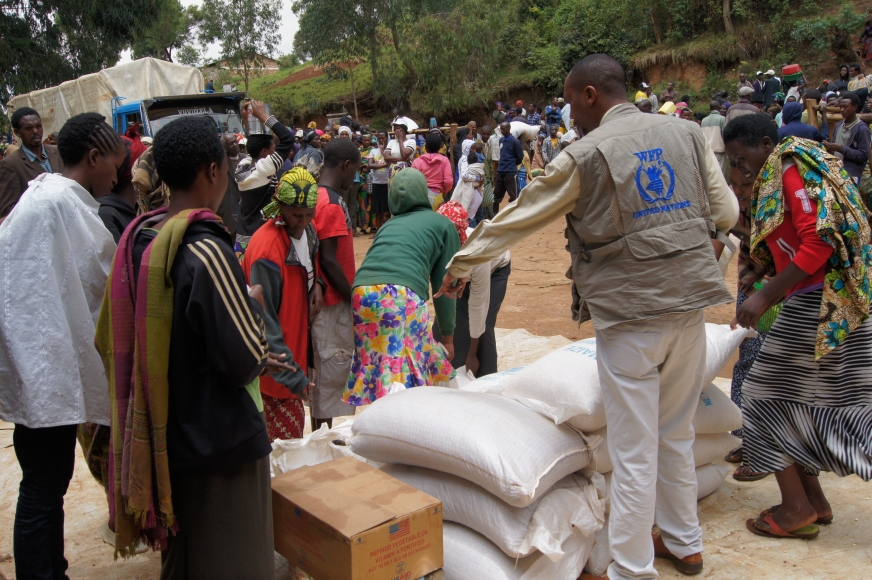
Paris, 20 June 2025 — As the world marks World Refugee Day under the theme of “solidarity with refugees,” the Observatoire des droits de l’homme au Rwanda (ODHR) is calling for urgent attention to the plight of refugees in Africa’s Great Lakes region, many of whom remain trapped in a cycle of conflict, displacement, and political manipulation.
In a statement issued from Paris, ODHR criticised both regional governments and the international community for failing to uphold the rights of displaced populations, especially those forcibly uprooted by armed conflict and state-sponsored violence. The organisation drew attention to the long-standing use of refugees as tools of political destabilisation across the region — from Uganda and Rwanda to Burundi and the Democratic Republic of Congo.
“Refugees have been used as a pretext for war, while the real motivations are often geopolitical and economic,” said Laurent Munyandilikirwa, president of ODHR. “This includes the desire to control mineral wealth and suppress political opposition.”
The declaration points to historical cases such as Uganda’s 1986 civil war, during which Yoweri Museveni integrated Rwandan refugees into his rebel movement; Rwanda’s 1990 invasion led by the Rwandan Patriotic Front with support from Uganda; and Burundi’s civil war, fuelled in part by rebel groups operating from refugee camps in Tanzania. Most notably, the 1996 invasion of Zaire (now the DRC) — launched under the guise of returning Rwandan refugees — ultimately served to topple Mobutu Sese Seko and open up access to the country’s vast mineral resources.
ODHR also accuses Rwandan authorities of using the presence of Congolese refugees on their territory as a pretext for military intervention in eastern Congo, where ongoing conflict is increasingly tied to the control of strategic mining zones.
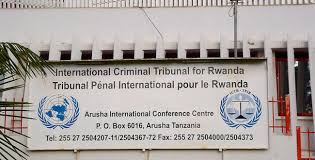
“This is not new,” the ODHR statement reads. “The same patterns have repeated themselves for decades, and yet no meaningful accountability has been imposed on those responsible.”
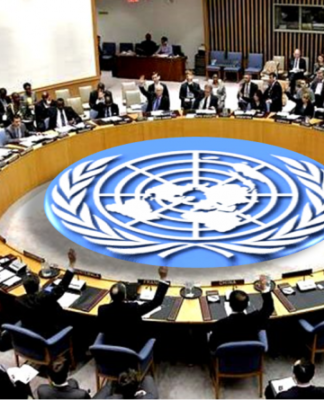
The human rights organisation urges the United Nations, in cooperation with the African Union, to address the culture of impunity that allows regional leaders — particularly those who came to power through armed rebellion — to escape prosecution for crimes committed during and after conflicts. It also calls for a firm application of international conventions, such as the 1951 Refugee Convention, the 1967 Protocol, and the Universal Declaration of Human Rights.
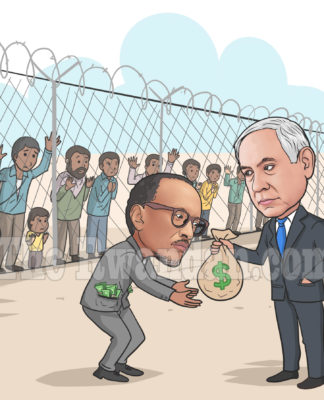
“Solidarity must not be symbolic,” Munyandilikirwa said. “Protecting refugees means ensuring their safety and dignity, not deporting them or trading them for political deals.”
In a pointed critique of current migration policies, ODHR condemned what it sees as growing hypocrisy in Western democracies, where increasingly strict asylum laws clash with those nations’ historical reliance on migration for economic development.
As the refugee crisis deepens in regions like Sudan, Gaza, Ukraine, and the eastern DRC, ODHR’s message is clear: World Refugee Day must be more than a commemoration — it must become a catalyst for action that holds governments accountable and defends the fundamental rights of the displaced.
















 is calling for urgent attention to the plight of refugees in Africa’s Great Lakes region, many of whom remain trapped in a cycle of conflict, displacement, and political manipulation.)