


















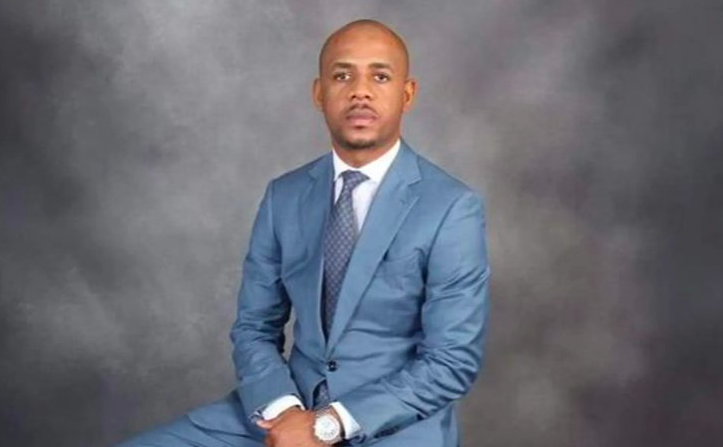
In late October 2024, a scandal erupted in Equatorial Guinea that gripped the nation and reverberated beyond its borders. At the center of this controversy is Baltasar Ebang Engonga Avomo, a senior government official and nephew of President Teodoro Obiang Nguema. Engonga, also known as “Bello” for his good looks, became embroiled in allegations of corruption and a highly publicized leak of explicit videos. These developments have ignited debates about governance, ethics, and the future political landscape of one of Africa’s most secretive regimes.
Over two weeks, hundreds of explicit videos—estimates range between 150 and over 400—were leaked online. These videos showed Engonga engaging in sexual acts with multiple women, many of whom were reportedly connected to the country’s elite, including wives and relatives of high-ranking officials. Some women appeared aware of being filmed, while others may not have been. The videos quickly spread across social media platforms, causing widespread outrage and humiliation within Equatorial Guinea’s corridors of power. The timing of these leaks coincided with Engonga’s arrest on October 25, 2024, on charges of corruption. As head of the National Financial Investigation Agency (ANIF), Engonga had been responsible for overseeing financial crimes investigations, including those related to money laundering and corruption. However, authorities accused him of embezzling significant state funds and depositing them into secret accounts in the Cayman Islands.
Following his arrest, Engonga was detained in Malabo’s Black Beach prison, a facility infamous for allegations of mistreatment of political prisoners. Authorities seized his phones and computers, and just days later, the explicit videos began appearing online. The first reports of the videos emerged on October 28, 2024, through Diario Rombe, an online news platform operated by an exiled journalist in Spain. Social media was soon flooded with references to a “monumental scandal shaking the regime,” highlighting the potential political motivations behind the leaks.
Engonga’s position as a high-ranking official and his familial ties to President Obiang have fueled speculation that this scandal is part of a larger power struggle. President Obiang, now 82, is the world’s longest-serving leader, having ruled Equatorial Guinea since 1979 after overthrowing his uncle Francisco Macías Nguema. Despite regular elections, the lack of opposition and systemic repression of activists have rendered the country a de facto one-party state. Observers believe the scandal was orchestrated to discredit Engonga as a potential successor. His arrest and the subsequent leaks serve as a reminder of the cutthroat nature of Equatorial Guinea’s internal politics, where palace intrigue often trumps formal democratic processes.
The scandal has also highlighted deeper systemic issues within Equatorial Guinea. Despite its substantial oil wealth, the majority of its 1.7 million residents live in poverty, while a small elite enjoys vast riches. President Obiang’s administration has faced decades of criticism for its human rights record, including allegations of torture and arbitrary killings. Public scandals such as this one further erode confidence in the nation’s governance and underscore the need for greater transparency and accountability.
Engonga’s dual role as a public official and a key player in financial oversight has made his actions particularly damaging to the administration’s image. In response, Vice President Teodoro Nguema Obiang Mangue, the president’s son and a likely successor, condemned the actions of officials engaging in what he described as “indecent acts.” He announced measures to restore the government’s credibility, including the installation of surveillance cameras in government offices and the initiation of investigations into those implicated in the scandal. However, critics argue these measures are less about ethical reform and more about consolidating power.
The leaked videos have also raised significant ethical and legal questions. In a country where morality is often used as a justification for governmental actions, the spectacle of a high-ranking official engaging in such behavior has been particularly scandalous. Chief prosecutor Anatolio Nzang Nguema suggested that Engonga could face additional charges if it is proven that he transmitted sexually transmitted infections, framing this as a public health offense. Meanwhile, reports indicate that some women implicated in the videos have faced severe social consequences, including hiding from their families or experiencing marital breakdowns.
Scandals are not a new phenomenon in Equatorial Guinea. The Obiang family has faced its share of controversies, including allegations of lavish spending by Vice President Mangue. Notably, Mangue once owned a $275,000 crystal-encrusted glove worn by Michael Jackson. Such displays of wealth stand in stark contrast to the economic struggles faced by the majority of the population. This latest episode adds another layer to the narrative of excess and corruption that has long defined the country’s ruling elite.
The case of Engonga also reflects the broader implications for Equatorial Guinea’s political system. With President Obiang aging and questions about his succession looming large, this scandal has exposed the fragility of the nation’s governance structures. Engonga’s downfall serves as both a cautionary tale for other potential successors and a stark reminder of the lengths to which rivals may go to secure their positions.
On November 8, 2024, President Obiang formalized Engonga’s dismissal through Decree No. 118, initiating a criminal investigation against him. While the legal proceedings continue, the scandal has effectively ended Engonga’s political ambitions. The public disgrace has cast a long shadow over his career, and it remains unclear whether he will recover from this blow.
For Equatorial Guinea, the scandal underscores the urgent need for systemic reforms. While the explicit videos have dominated public discourse, the deeper issue lies in the country’s enduring struggle with corruption, authoritarianism, and power consolidation. As international attention grows, the implications for Equatorial Guinea’s leadership and governance remain profound. Whether this episode will lead to meaningful change or simply fade into history as another chapter of intrigue in the Obiang era remains to be seen.