

















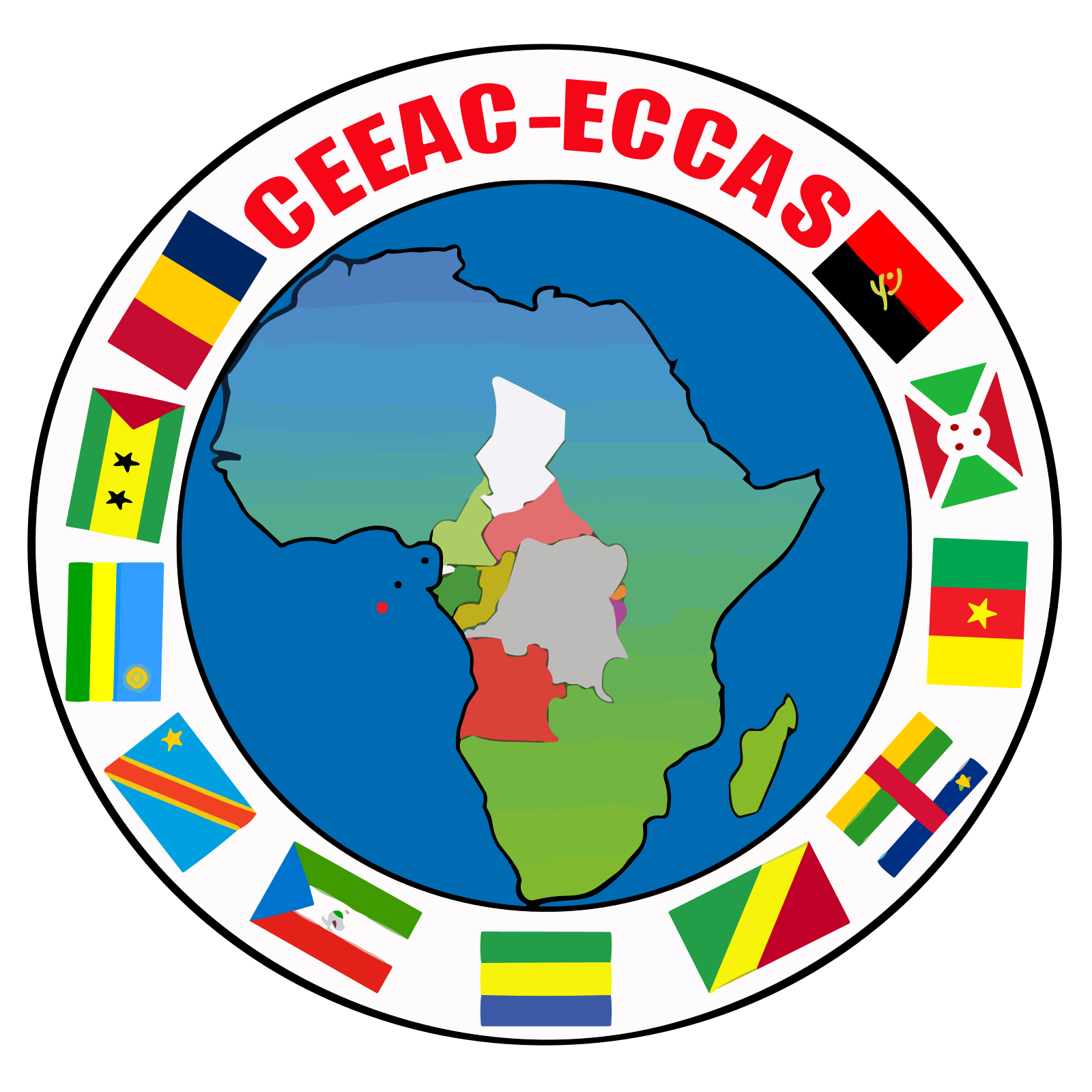
Rwanda has officially withdrawn from the Economic Community of Central African States (ECCAS), accusing the organisation of being “instrumentalised” by the Democratic Republic of Congo (DRC), with the support of unnamed member states. The announcement, made just before the 26th ECCAS Summit in Malabo, comes amid heightened tensions in the region.
In a statement issued on 7 June, Kigali denounced what it described as a deliberate breach of ECCAS rules after its turn to assume the rotating chairmanship was bypassed in favour of extending Equatorial Guinea’s term. Rwanda cited a violation of Article 6 of the organisation’s founding treaty and accused the DRC of hijacking the process to impose its own political agenda.
The following day, the DRC issued a strongly worded response, reiterating its view that the ongoing conflict in eastern Congo is fuelled by Rwandan military aggression. Kinshasa referred to UN Security Council Resolution 2773, which calls for the immediate withdrawal of Rwandan troops from Congolese soil, and warned against actions that jeopardise regional stability.
“Participating in a peace process cannot mean erasing the past or granting immunity for grave crimes,” the Congolese foreign ministry stated, condemning what it described as Rwanda’s recurring pattern of walking away from treaties or blocking progress whenever accountability is demanded.
Kigali, for its part, maintains that ECCAS has consistently failed to uphold its own regulations. It cited Rwanda’s exclusion from the 2023 Kinshasa summit and the current refusal to hand over the rotating presidency, as evidence of the bloc’s dysfunction. Rwandan Foreign Minister Olivier Nduhungirehe went further, accusing the DRC of turning every regional and international platform into a venue for lobbing accusations and demanding sanctions against Rwanda.
In a televised interview on 8 June, Nduhungirehe recalled recent high-level peace efforts, including a meeting between Presidents Kagame and Tshisekedi in Doha in March, and the signing of a Declaration of Principles in Washington in April, arguing that Kinshasa’s actions run counter to these ongoing peace efforts.
The Malabo summit, which should have marked Rwanda’s turn at the helm of ECCAS based on the French alphabetical rotation system, instead extended Equatorial Guinea’s presidency by one year. According to diplomatic sources, DRC representatives had threatened to boycott future sessions chaired by Rwanda.
Kinshasa’s foreign ministry has since reaffirmed that “no state can invoke rights while simultaneously violating core obligations of the same treaty and the rights of another member state.” Kigali responded by highlighting what it sees as Congo’s obstruction of the regional agenda and abuse of ECCAS mechanisms for domestic political gain.
Tensions are further compounded by allegations—backed by UN reports and several Western governments—that Rwanda supports the M23 rebel group, which has seized large swathes of territory in North and South Kivu. Rwanda denies the accusations, stating that its involvement in the region is defensive and aimed at safeguarding its national security against armed groups operating from eastern Congo.
The DRC, while engaging in peace talks under the auspices of the African Union, Qatar and the United States, has called on regional and international institutions to show increased vigilance against actions that undermine legal norms and territorial integrity.
With Rwanda’s departure, ECCAS now consists of ten member states: Angola, Burundi, Cameroon, Central African Republic, Chad, Congo-Brazzaville, DRC, Equatorial Guinea, Gabon, and São Tomé and Príncipe. Rwanda, a founding member since 1983, had previously withdrawn from ECCAS in 2007 before rejoining in 2016.
This latest breakdown in regional cooperation casts a shadow over diplomatic efforts to stabilise the Great Lakes region, as the rift between Kigali and Kinshasa continues to deepen.











 Therwandan
, accusing the organisation of being “instrumentalised” by the Democratic Republic of Congo (DRC), with the support of unnamed member states. The announcement, made just before the 26th ECCAS Summit in Malabo, comes amid heightened tensions in the region.)