

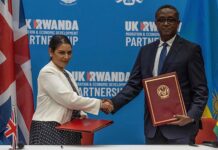








The European Parliament has called for the suspension of the mineral trade agreement signed last year between the European Union and Rwanda, citing Rwanda’s direct involvement in the ongoing violence in the eastern Democratic Republic of Congo (DRC). In a vote held on Thursday, 443 Members of the European Parliament (MEPs) approved the resolution, with only four votes against and 48 abstentions. The resolution demands that the EU Commission and Council suspend the EU-Rwanda agreement on sustainable mineral value chains until Rwanda proves that it has ended its military interference in the DRC and stopped exporting minerals from zones controlled by the M23 rebel group.
In addition to suspending the mineral agreement, the European Parliament has called for a freeze on direct EU budgetary support to Rwanda, a suspension of military and security assistance to the Rwandan army, and a ban on arms transfers to both Rwanda and the M23. European lawmakers are also pushing for increased sanctions against senior M23 commanders, leaders of other armed groups, and high-ranking officials from both Rwanda and the DRC who have been identified by the United Nations as responsible for war crimes and crimes against humanity.
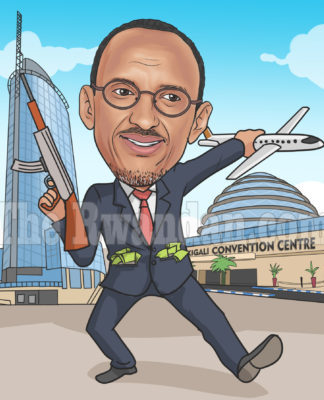
One of the most symbolic demands in the resolution is the possible cancellation of the UCI Road World Championships, scheduled to take place in Kigali later this year. The European Parliament has stated that if Rwanda does not withdraw its troops from eastern DRC and cease its support for M23, it should lose the right to host this international event.
This resolution follows increasing evidence that Rwanda has played a key role in fueling the conflict in eastern DRC, where the M23 rebel group has committed mass killings, forced displacements, and systematic looting of mineral resources. Rwanda has supplied the M23 with weapons, logistical support, and direct military reinforcement. Multiple reports from the United Nations, Human Rights Watch, and intelligence agencies have confirmed that Rwandan troops are operating in the DRC alongside M23 fighters. The group has occupied large territories, including towns near Goma, despite multiple ceasefire agreements.
Western nations are now re-evaluating their relationship with Kigali. Belgium, Germany, and the United Kingdom have all announced potential financial and diplomatic measures against Rwanda due to its actions in the DRC. The European Parliament’s call for sanctions is part of a broader international shift in policy, as countries grow increasingly frustrated with Kagame’s continued destabilization of the region.
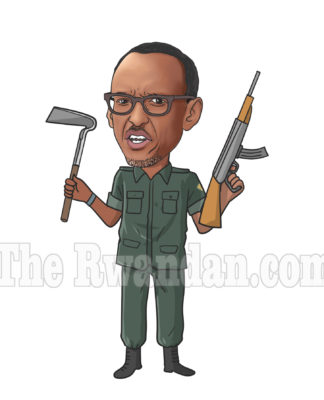
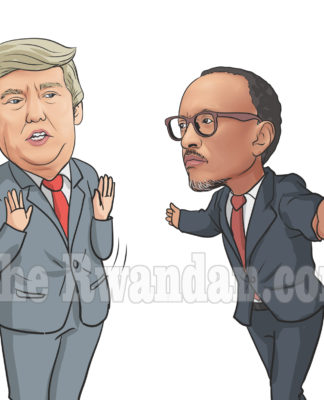
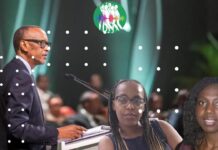
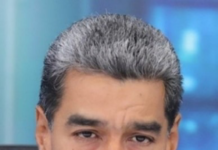
In a recent interview with Jeune Afrique, Rwandan President Paul Kagame responded defiantly to these developments. When asked about the potential sanctions from Belgium, Germany, and the UK, Kagame dismissed them as intimidation tactics. He accused former colonial powers of trying to exert control over Rwanda, stating: “Belgium and Germany, as former colonial rulers, are trying to threaten us with sanctions simply because I am standing up for my country’s rights. Do they think they can scare me?”
Kagame went further, declaring that he would rather take up arms than yield to Western pressure. He referenced Rwanda’s history, saying: “We have gone through difficult times before. What I would tell them is simple. It’s the same story I shared during the 30th commemoration of the genocide in 2024—when killers asked a woman to choose how she wanted to die, she simply spat in their faces.”
Kagame’s response highlights his refusal to acknowledge Rwanda’s responsibility in the ongoing war in eastern DRC. His combative stance makes it clear that Kigali has no intention of withdrawing its forces or ending its support for the M23. The growing calls for sanctions from the EU and other international actors signal a turning point in diplomatic relations with Rwanda.
As tensions escalate, the conflict in eastern DRC continues to threaten regional stability. The European Parliament’s resolution adds further pressure on Kigali, but whether it will force Kagame to change course remains uncertain. The situation on the ground suggests that Rwanda and the M23 will continue their military operations, despite international condemnation and the looming threat of sanctions.