









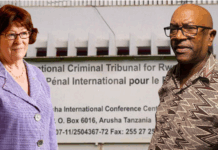

Rwanda has made significant strides in reducing monetary poverty over the past decade. But beneath the impressive economic growth and development indicators lies a more complex picture of exclusion, vulnerability, and widening inequality. This is the central message of a detailed statement issued today by Olivier De Schutter, the United Nations Special Rapporteur on extreme poverty and human rights, at the end of a twelve-day official visit to the country.
During his mission from 19 to 30 May 2025, De Schutter met with top government officials, civil society organisations, researchers, religious leaders, and residents in Kigali, the Southern and Western provinces. He also held talks with international development agencies and representatives from various UN bodies. His conclusion: while Rwanda has every reason to celebrate its progress, its development model remains unequally distributed and, at times, disconnected from the daily struggles of its most vulnerable citizens.
Poverty is falling, but the rural poor are being left behind
According to the latest household survey (EICV7), Rwanda’s national poverty rate dropped from 39.8% in 2017 to 27.4% in 2024. Extreme poverty fell from 11.3% to 5.4% over the same period. This means over 1.5 million people have risen above the national poverty line in the last seven years.
However, these averages mask deep territorial and socio-economic disparities. More than 80% of Rwanda’s poor live in rural areas. In the Western Province, 37.4% of people live in poverty; in the Southern Province, it is 34.7%. In contrast, the poverty rate in Kigali stands at 9.1%. Extreme poverty rates follow a similar pattern: 6.4% in rural areas compared to 3.1% in urban zones.
Even among the employed, poverty remains widespread. A quarter of working adults live below the poverty line, especially in agriculture (31.4%) and low-skilled labour. Having a job, De Schutter noted, is often not enough to escape poverty.
A booming economy – but for whom?
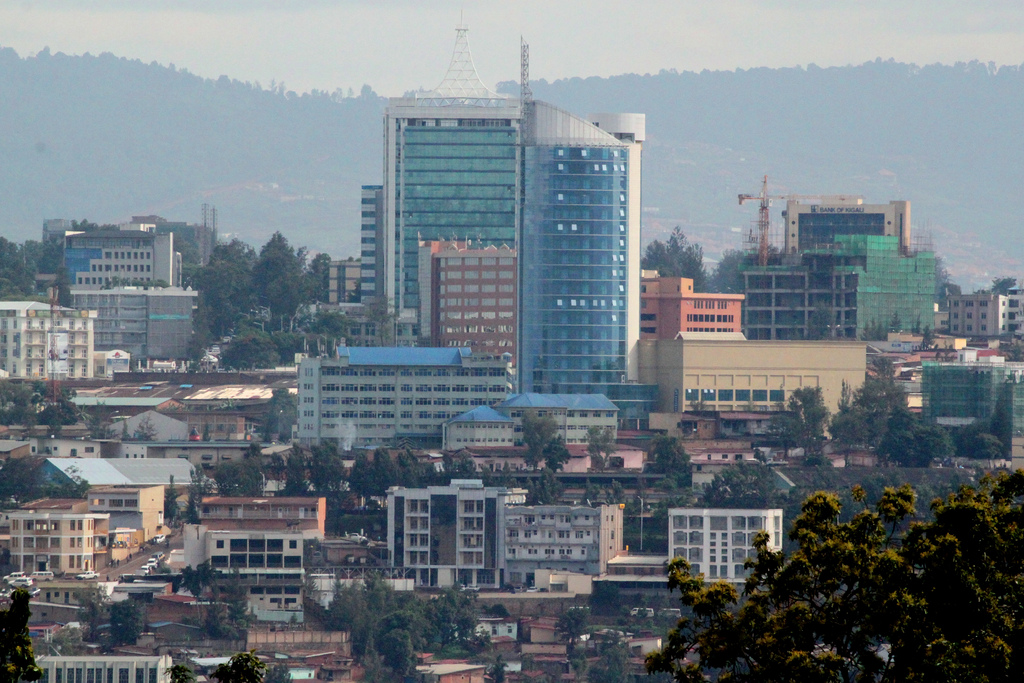
Between 2021 and 2024, Rwanda’s economy grew at an average of 8% annually – far above the sub-Saharan average of 4.1%. The country has positioned itself as a regional hub for services and international conferences, with significant investments in ICT, infrastructure, and tourism.
But according to De Schutter, the gains from this growth are highly uneven. “This development model is largely urban-centred and skill-based,” he said. “It benefits the educated, the well-connected, and those already ahead. For many in the countryside, the prosperity remains out of reach.”
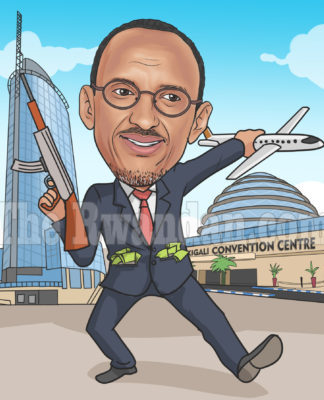
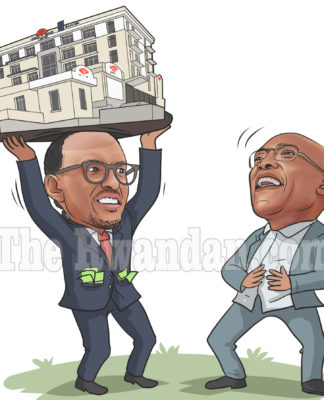
The report also questions the public value of high-cost projects like the Kigali Convention Centre, suggesting they may yield prestige and short-term GDP gains without creating broad-based benefits for the majority.
Inequality remains a persistent barrier
Despite Rwanda’s reputation for efficient governance, inequality is growing. The top 1% of the population earns 20% of the national income and owns 30% of the country’s wealth. Meanwhile, the poorest half accounts for just 13% of income and only 3.3% of private wealth.
The Gini coefficient, a standard measure of inequality, stands at 0.37 nationwide – considered moderate. But this average hides sharper contrasts between cities (0.44) and rural areas (0.26).
Welfare system too thin to cover the need
The national social protection programme, known as the Vision Umurenge Program (VUP), reaches only a fraction of those in need. In 2024, only 27% of extremely poor households and 23% of poor households benefited from VUP support. The basic cash transfer (Ingoboka) amounts to 7,500 Rwandan francs per month – less than 6 US dollars – and is far below the national poverty threshold.
The Special Rapporteur recommends increasing this to at least 46,600 francs (about 37 USD) per month to allow beneficiaries to meet their basic needs without relying on relatives or neighbours.
While the VUP has helped many, especially through public works and maternal health initiatives, De Schutter warns that current budget levels are insufficient. The share of national spending allocated to social welfare fell by 22% in the 2024/25 budget and is expected to drop another 30% next year.
Health and education: progress undermined by underfunding
Public spending on health also declined, from 10% of the national budget in 2020/21 to just under 7% in 2024/25 – well below the 15% target set by the Abuja Declaration. Nearly half the sector’s funding comes from international donors.
While Rwanda boasts high vaccination rates and maternal health coverage, the country still faces high rates of stunting (30% of children under five) and child malnutrition. Among the poorest families, nearly half of all children are stunted.
The education system faces similar challenges. Although 94.3% of children are enrolled in primary school, only 26.4% continue to secondary level. A typical child spends 6.9 years in school but gains only 3.9 years of effective learning, reflecting issues with quality and overcrowding. In rural schools, children often study in shifts, receiving just 22 hours of instruction per week.
Disparities are even starker when it comes to children with disabilities: only 62% of disabled children attend primary school, compared to 93% of non-disabled children. At secondary level, the figures fall to 13.7% and 33.9%, respectively.
The question of housing, food, and climate resilience
Access to decent housing remains a major concern. In Kigali, relocation programmes have moved people out of informal settlements, but De Schutter flagged cases where evictions were carried out with little warning, no compensation, and no legal recourse – particularly in zones considered at risk for landslides or flooding.
In rural areas, 17% of households are food insecure, with that figure rising to 23% in some districts of the Western Province. Three out of four Rwandans cannot afford a nutritious diet. The government has promoted monocropping and cash-oriented agriculture, especially maize production. But the UN expert warns that this strategy could increase dependence on imported fertilisers and worsen land degradation.
Jobs without protection
Although Rwanda has pushed for job creation, the quality of those jobs is a concern. Over 82% of workers are in the informal sector, without contracts, legal protection, or access to benefits. The minimum wage has not been revised since 1973, despite inflation and cost-of-living increases.
Labour inspectors are too few – only 33 nationwide – to monitor working conditions for over 4.3 million workers. That’s less than one inspector per 130,000 workers.
The report calls for urgent measures: establishing a meaningful, regularly adjusted minimum wage; supporting unionisation; integrating informal workers into formal employment through fiscal and administrative incentives; and enforcing existing labour laws more effectively.
The most vulnerable: women, children, and historically marginalised communities
Women and girls, particularly in poor and rural households, face intersecting disadvantages. 37% of women aged 15 to 49 have experienced physical violence; 23% report sexual violence. Poverty is both a cause and consequence of this violence, the report notes.
The Batwa community – often displaced, under-educated, and excluded from public services – also remains one of the most disadvantaged groups. Many survive through clay pottery, a trade now in decline.
What should Rwanda do next?
The Special Rapporteur concludes that Rwanda must rebalance its development priorities to focus more directly on the needs of its most vulnerable citizens. This includes:
- Expanding and better funding social protection schemes;
- Investing in health, education, nutrition, and early childhood development;
- Raising domestic revenues and tackling tax avoidance;
- Making economic and social rights the core of national policy.
He also calls on the government to publish more transparent poverty and inequality data, ensure inclusive participation in policy design, and respect due process in all relocation and eviction operations.
The full report will be submitted to the United Nations Human Rights Council in June 2026.