
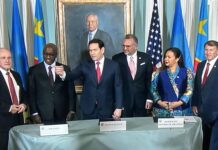














On February 1, 2025, in Ottawa, Canada, the G7 Foreign Ministers of Canada, France, Germany, Italy, Japan, the United Kingdom, and the United States, along with the High Representative of the European Union, issued a joint statement denouncing the ongoing escalation of violence in eastern Democratic Republic of the Congo (DRC). They strongly condemned the offensive launched by the M23 rebel group, backed by Rwanda, which has led to the capture of strategic towns including Minova, Saké, and Goma. The statement explicitly called on the M23 and the Rwanda Defence Force (RDF) to halt their military advances in all directions and prioritize the protection of civilians.
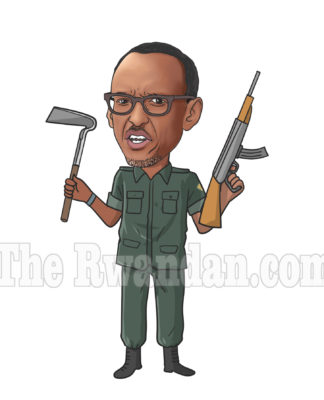
This declaration marks an important shift in international positioning, as it openly attributes responsibility for the conflict to the government of Rwandan President Paul Kagame. The G7 urged an immediate cessation of all direct and indirect support to the M23 and all other non-state armed groups operating in the region, highlighting that the offensive constitutes a blatant violation of DRC’s sovereignty and territorial integrity. Despite repeated denials from Kigali, mounting evidence—including United Nations reports—indicates Rwanda’s continued military and logistical support for the M23.
The renewed M23 offensive has triggered a dramatic humanitarian crisis, forcing thousands of civilians to flee Goma and other parts of eastern DRC. Since the beginning of the M23 resurgence in January 2025, hundreds of thousands of people have been displaced, exacerbating an already dire situation. The G7 ministers strongly condemned the devastating consequences of the joint M23-RDF military operations, which have further destabilized the region and aggravated an already fragile humanitarian context.
The G7 statement also emphasized the urgent need to ensure the rapid, safe, and unimpeded passage of humanitarian relief for displaced civilians. Humanitarian personnel operating in eastern DRC continue to face immense challenges due to ongoing violence, and the G7 reiterated that their safety must be guaranteed. The escalating conflict, marked by large-scale displacement, human rights violations, and attacks on peacekeeping forces, underscores the urgency of international intervention.
The ministers also urged all parties involved in the conflict to return to the negotiating table and honor their commitments under the Luanda Process, a diplomatic framework aimed at de-escalating tensions and achieving a peaceful resolution to the crisis. They specifically called on M23 to withdraw from all occupied areas, reaffirming that only a negotiated solution can bring lasting peace to the region.
In a strong show of support for international peacekeeping efforts, the G7 reiterated its backing for the United Nations Organization Stabilization Mission in the DRC (MONUSCO) and called on all actors to respect its mandate. The statement also condemned all attacks on peacekeepers, particularly those from MONUSCO and the Southern African Development Community Mission in the Democratic Republic of the Congo (SAMIDRC). The G7 extended condolences to the families of peacekeepers who have lost their lives in the conflict, emphasizing that any aggression against international forces is entirely unacceptable.
Furthermore, the ministers denounced the recent attacks against diplomatic missions in Kinshasa, urging Congolese authorities to fulfill their obligations under international law to protect diplomats and foreign embassies. These attacks reflect the rising tensions in the region, as anger mounts over perceived foreign interference and Rwanda’s role in fueling the instability.
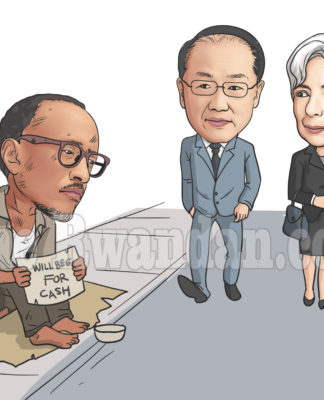
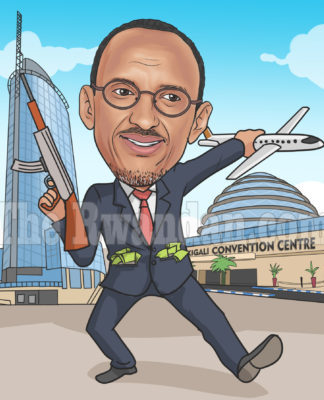
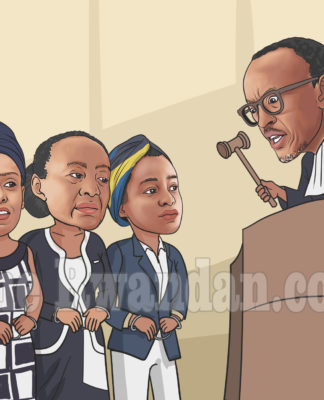
The G7’s firm stance against Kagame’s continued involvement in eastern DRC signals growing frustration with Rwanda’s aggressive regional policies. While Kagame has long relied on diplomatic maneuvering and denial to deflect blame, international pressure is now mounting for real accountability. With increasing evidence of Rwandan military presence in eastern DRC and its sustained support for M23, the international community is no longer willing to accept Kigali’s claims of innocence.
As the crisis deepens, the G7’s call for an immediate halt to M23’s operations and for Kagame’s regime to end its destabilizing actions presents a crucial moment for regional diplomacy. Whether Rwanda will heed this warning or continue to pursue its military ambitions in the DRC remains to be seen.