





















On 7 January 2026, President Donald J. Trump signed a presidential memorandum directing the United States to withdraw from a wide range of international organisations, conventions, and United Nations bodies deemed “contrary to the interests of the United States”. The decision follows a review ordered under Executive Order 14199 in February 2025, conducted by the Secretary of State in consultation with the US mission to the United Nations.
The memorandum instructs all federal departments and agencies to take immediate steps to end US participation or funding, within the limits of existing law, for more than sixty organisations. These include environmental, climate, development, human rights, migration, gender equality, and multilateral governance bodies, as well as several UN departments and specialised programmes.
The administration’s rationale
According to the White House, the decision is part of a broader reassessment of multilateral engagement. The Trump administration argues that many international organisations no longer serve US strategic, economic, or security interests, and that continued participation imposes financial and political costs without delivering clear benefits.
Supporters of the move describe it as a consistent extension of the “America First” doctrine, aimed at restoring national sovereignty and policy flexibility. They contend that multilateral institutions often constrain US decision making, promote agendas misaligned with domestic priorities, or operate with limited accountability. From this standpoint, withdrawal allows Washington to redirect resources towards bilateral partnerships and domestic needs.
The memorandum also notes that the review process remains ongoing, leaving open the possibility of further withdrawals or funding cuts.
Scope and significance of the withdrawals
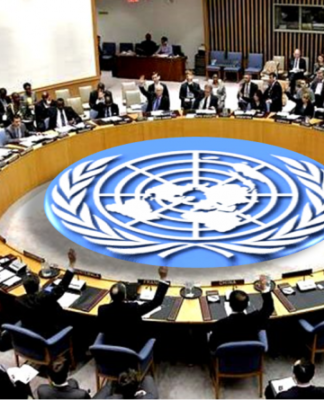
The scale of the decision is striking. The list covers non-UN bodies focused on climate, energy, research, democracy promotion, and environmental protection, alongside major UN structures dealing with development, trade, population, gender equality, climate policy, urban planning, peacebuilding, and human rights.
For UN-related entities, the memorandum specifies that withdrawal means ceasing participation or funding where legally possible, rather than automatically exiting binding treaties. This reflects the legal complexity of disengaging from bodies created through UN resolutions rather than formal international agreements.
If implemented in full, the memorandum would represent one of the most far-reaching reductions of US involvement in multilateral institutions in modern history.
Concerns from critics and international partners
Critics argue that the withdrawals risk weakening US influence on issues that require international coordination, such as climate change, conflict prevention, migration management, and humanitarian response. They warn that disengagement may limit Washington’s ability to shape global norms and decisions that still affect US interests.
There are also concerns that the move could open space for rival powers to expand their influence within international institutions. From this perspective, withdrawal is seen less as a reclaiming of sovereignty and more as a strategic retreat.
Humanitarian organisations and civil society groups have voiced particular alarm over the potential impact on vulnerable populations, especially in conflict-affected and low-income regions that depend heavily on UN programmes for funding and coordination.
A defining foreign policy choice
Trump’s memorandum highlights a long-standing divide in US foreign policy between multilateral engagement and national autonomy. While the administration frames the withdrawals as a necessary correction, opponents see them as a reduction in global leadership.
What remains uncertain is how the United States will compensate for its reduced presence in these institutions, and whether alternative diplomatic or bilateral mechanisms will emerge. Either way, the decision marks a clear turning point in how Washington relates to the international system.