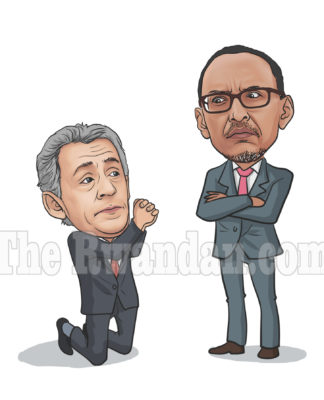




















On April 7, 2025, a concert titled “Solidarity Congo, support for children victims of the conflict in eastern Congo” is scheduled in Paris. Meant to highlight the atrocities committed in eastern DRC, the event is facing strong opposition from the Communauté Rwandaise de France (CRF), an association close to Kigali. Using the pretext of defending the memory of the genocide against the Tutsis, the CRF has requested the Mayor of Paris to postpone the concert, arguing that the date coincides with the international day of genocide remembrance.
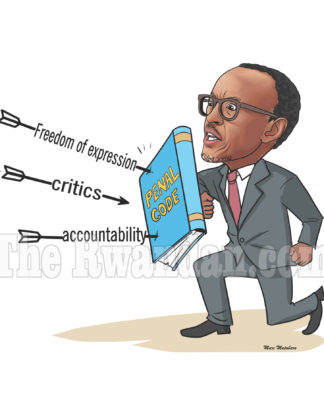
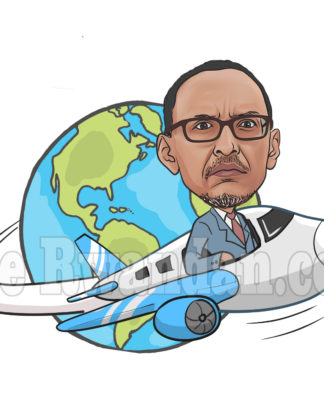
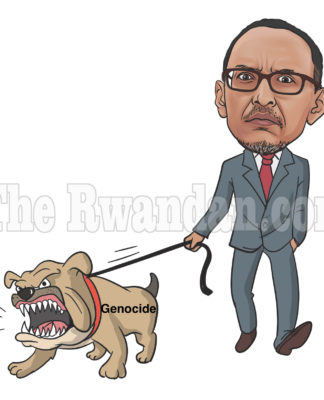
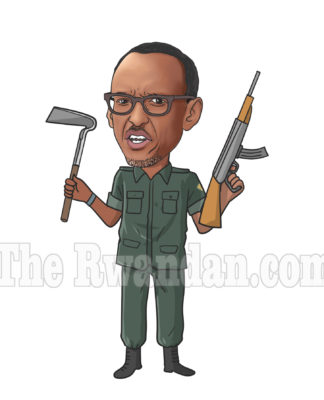
This move is far from innocent. It is part of a systematic strategy by Paul Kagame’s regime to use the genocide as a shield to silence any criticism. For years, Kigali has wielded the memory of the genocide to intimidate the international community, political opponents, and even neighboring countries. Anyone who dares to criticize the regime or expose its involvement in crimes in eastern DRC is immediately accused of minimizing the genocide or inciting hatred against the Tutsis. This tactic helps Kagame deflect attention from the crimes committed by the M23, an armed group backed by Kigali that claims to defend Congolese Tutsis but is in reality advancing a hidden agenda: enabling Rwanda to pillage Congo’s natural resources.
The CRF’s letter also accuses the artist GIMS, headlining the concert, of inciting hatred against the Tutsis. This seems less like a genuine concern for the memory of the victims and more like an attempt to discredit the event. The true objective is clear: to prevent the concert from becoming a platform to expose Rwanda’s abuses in DRC and to maintain the silence surrounding M23’s crimes.
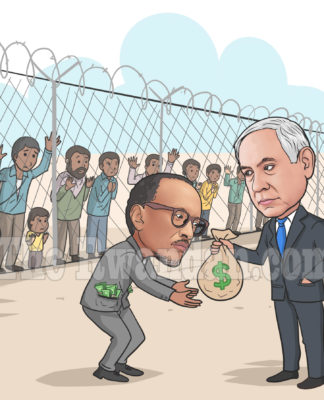
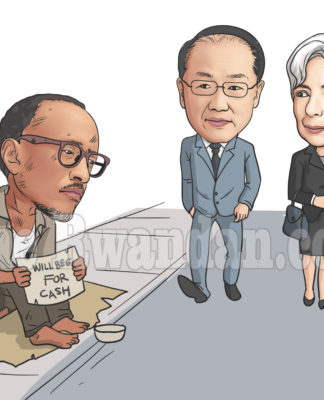
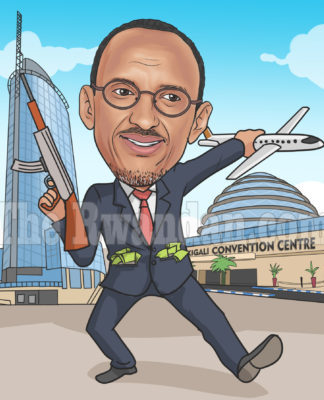
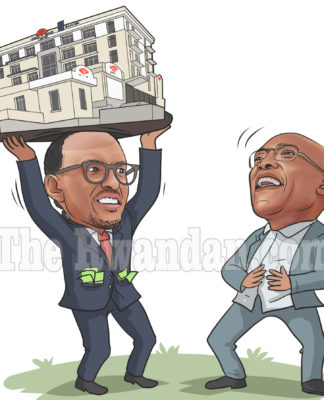
This instrumentalization of the genocide is coupled with a well-funded communication strategy, backed by significant international aid and mounting debt. While Kigali boasts of being a model of economic success in the region, this prosperity is largely a facade. A substantial part of Rwanda’s budget depends on resources looted from DRC and foreign aid. Unable to survive economically without these resources, Kagame invests heavily in lobbying campaigns to preserve his image abroad and evade international sanctions.
Choosing April 7 as the date for this concert is highly symbolic. As the world prepares to commemorate the genocide against the Tutsis, it is clear that Kigali seeks to monopolize this memory to silence any exposure of its own crimes. This strategy reveals how much Kagame fears that the truth about his actions in DRC will eventually come to light.
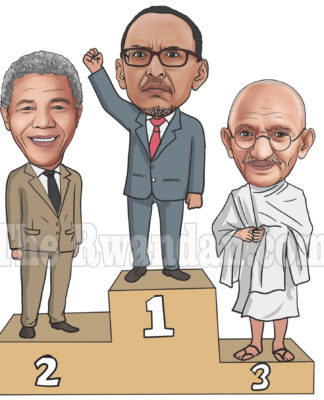
By using the genocide as a tool of intimidation, Kigali aims not only to silence opponents but also to block any international investigations into its crimes. This policy of fear is designed to impose a silence over the Great Lakes region and to perpetuate the impunity that the regime has enjoyed for decades. However, as more voices rise to denounce these manipulations, it is becoming increasingly difficult for Kagame to maintain his mask of a model leader and to divert attention from his expansionist ambitions in DRC.