

















By Nadia MUGUNGA
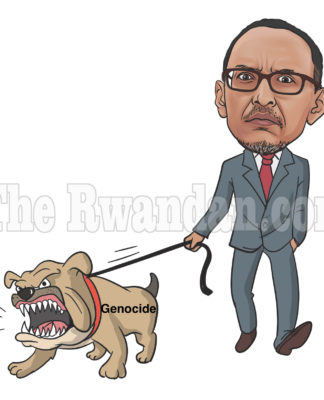
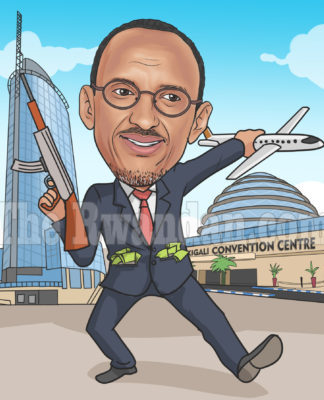
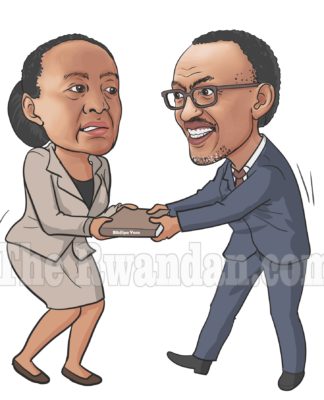
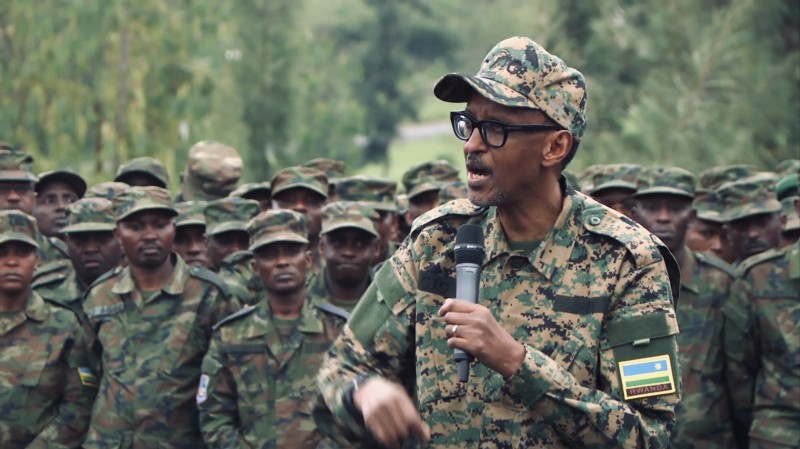
For nearly 30 years, Paul Kagame has held an iron grip on Rwanda’s political scene, using a combination of authority and pragmatism to maintain control. While many Rwandans view him as the one who lifted the country from the ashes of the 1994 Tutsi genocide, his governing methods and limited tolerance for dissent have drawn international criticism.
A path defined by Rwanda’s tragic history
Born in 1957 into a Tutsi family, Kagame was forced to flee Rwanda during his youth due to the ethnic violence targeting his community. He found refuge in Uganda, where he joined a guerrilla movement and co-founded the Rwandan Patriotic Front (FPR). In the 1990s, he led a rebellion against the extremist Hutu regime that had been systematically persecuting the Tutsi.
In 1994, the FPR ended the genocide that resulted in the deaths of over 800,000 people, primarily Tutsi. After the FPR’s victory, Kagame assumed the position of vice president and defense minister before becoming president in 2000. Since then, he has entrenched his power through questionable elections, often winning with overwhelming margins, most recently securing 99.18% of the vote in the July 15 election. These results, while touted as a success, reveal the true nature of his authoritarian rule.

A nation rebuilt, but at the expense of freedom
Kagame’s supporters often highlight Rwanda’s development under his leadership,modern infrastructure, technological advancements, ambitious environmental policies, and gender equality. However, these achievements come at a significant cost: the erosion of political freedoms and basic human rights.
For those who support him, Kagame is seen as the architect of the country’s stability and prosperity. But for many, the price of this progress is far too high. A citizen might argue, “We have peace, security, and a future ahead of us, but at what cost? The price of stability is the loss of our voices.”
A brutal, authoritarian regime
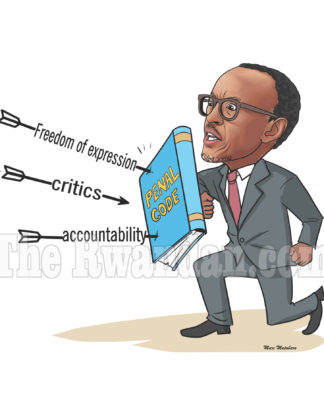
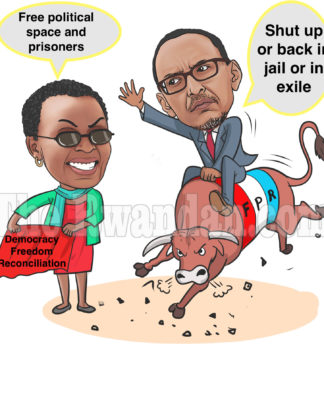
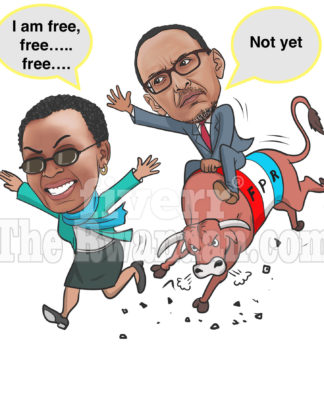
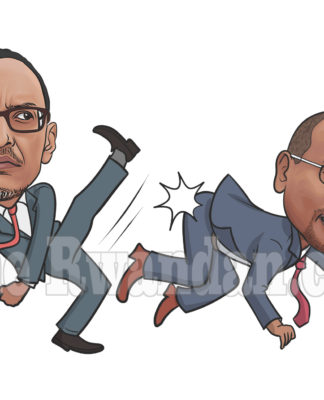
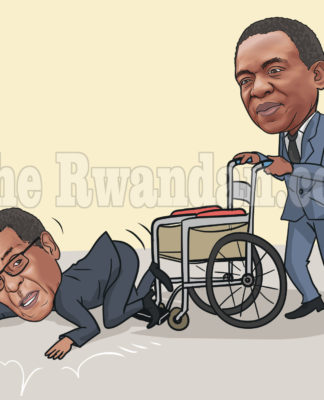
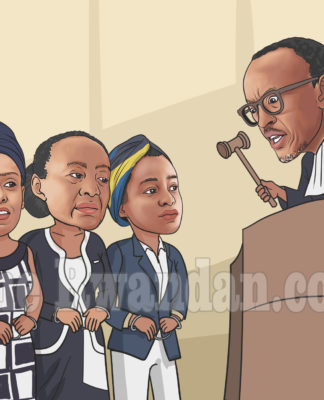
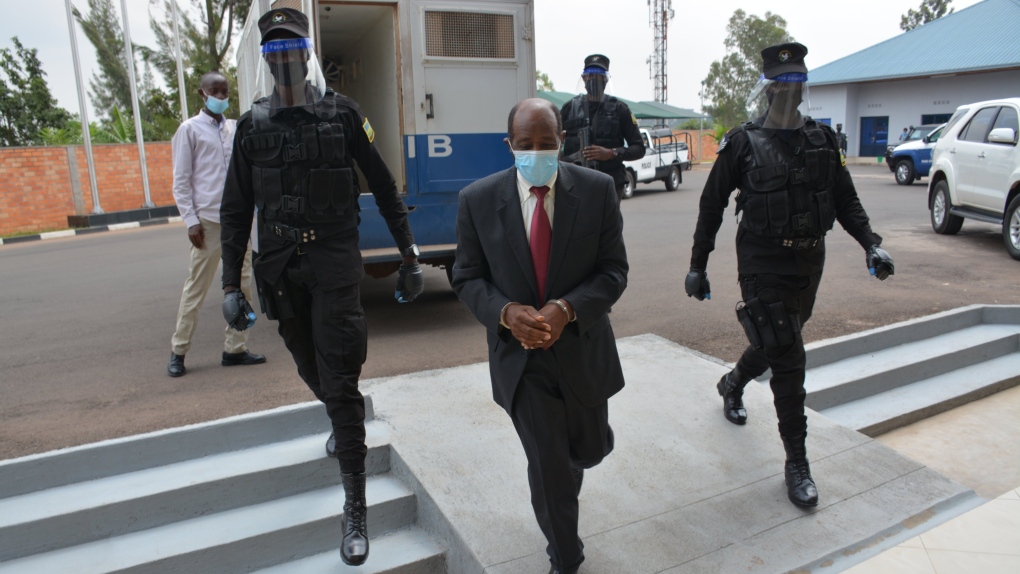
Behind the facade of Rwanda’s success lies a deeply troubling reality: the stifling of opposition, free speech, and any form of dissent. Political opponents, journalists, and human rights activists who dare to challenge Kagame’s regime are routinely silenced. More than a dozen political figures have been imprisoned, and many journalists and critics have either disappeared or been found dead under mysterious circumstances.
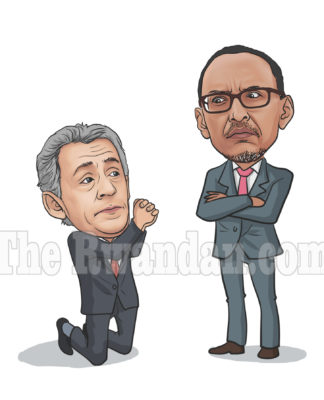
Even more disturbing is the regime’s reach beyond Rwanda’s borders. Exiles who speak out against Kagame’s rule face threats, and there have been credible reports of targeted assassinations carried out by his government. This is not the hallmark of a leader who is truly concerned with the well-being of his people.
A vision of a savior or a dictator?
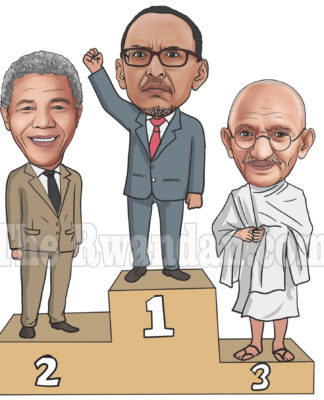
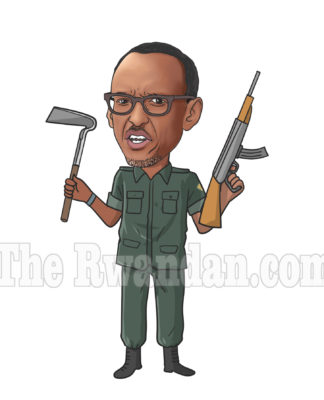
Kagame’s image is increasingly divided between that of a national hero and a ruthless dictator. His supporters continue to praise him as the protector of Rwanda’s stability and economic growth. However, for those who suffer under his regime, Kagame is nothing more than a modern-day despot who quashes any attempt at democratic expression.

An unyielding grip on power
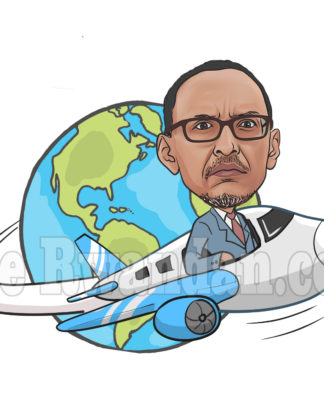
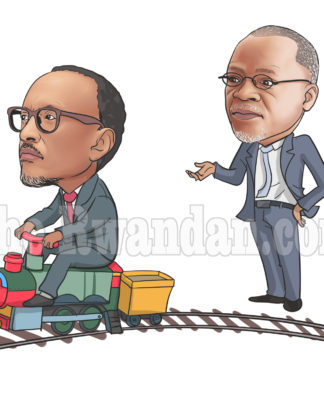
Despite mounting criticism from both domestic and international sources, Kagame remains firmly in power. His supporters view him as the only person capable of maintaining Rwanda’s stability, while foreign observers warn of the growing authoritarianism of his regime. With undeniable economic achievements and a firm hand on the country’s political landscape, Kagame continues to solidify his place as one of Africa’s most controversial and oppressive leaders. But as Rwanda’s true future remains uncertain, it is clear that the cost of his leadership is borne by the freedoms and rights of its people.