















Paul Rusesabagina, a prominent Rwandan dissident, has announced the formation of a broad coalition aimed at opposing and ultimately changing the Rwandan government. He made this declaration during a meeting in Brussels, Belgium, over the past weekend. The gathering brought together nearly 100 Rwandan opposition figures from various European countries.
Rusesabagina, known for his role during the 1994 Rwandan genocide, spoke at a high-security hotel in Brussels. Security was handled by his supporters, and entry was restricted to those with formal invitations. Even journalists had to disclose the name of their host.
During the two-hour meeting, Rusesabagina outlined his vision for a new coalition that intends to use all possible means to bring about change in Rwanda. He emphasized that this new alliance would differ from other groups that have previously opposed the Rwandan government. Responding to a question from an attendee, he said, “You know I was imprisoned after being kidnapped, tortured, and nearly killed. Despite that, I will not abandon politics. Whether through dialogue, elections, or, if necessary, armed struggle, we will use all means available. Soon, we will establish our platform, and you will see that we have greater strength than any others.”
Paul Rusesabagina had previously distanced himself from political activities following his release from prison in Rwanda, which was facilitated by the intervention of the United States, European countries, and Qatar. However, in an interview with the BBC Gahuzamiryango, he clarified that his disengagement was temporary: “I had to take a break from politics due to what they forced upon me. After everything I endured in prison, I needed to rest, but now I am ready to fight against the Kigali government through this platform.”
While Rusesabagina refrained from revealing the name of the new coalition or its members, he confirmed that it would include both domestic and international Rwandan opposition figures. He stated, “We are working with politicians within Rwanda, though I cannot name them for their safety, and we are joined by all Rwandans abroad who oppose the government. Soon, you will know our name.”
Asked whether the coalition would seek power through elections, Rusesabagina responded emphatically, “If peaceful methods fail, then force becomes necessary. But our primary goal is democracy and dialogue. Many Rwandans want us to free them, and we will achieve this soon.”
The 70-year-old Rusesabagina rose to prominence through his actions during the Rwandan genocide, saving over 1,000 Hutus and Tutsis who had taken refuge at the Hôtel des Mille Collines. His story was dramatized in the film “Hotel Rwanda,” which garnered him international acclaim, including a 2005 Presidential Medal of Freedom from then U.S. President George W. Bush. Despite the widespread admiration, the Rwandan government has always disputed the portrayal of events in the film, accusing Rusesabagina of exaggeration.
Rusesabagina’s opposition to the Rwandan government dates back to 1996 when he founded several parties opposing the ruling Rwandan Patriotic Front (RPF). He initially fled to Belgium, where he continued his political activities, including establishing the PDR-Ihumure party.
In August 2020, Rusesabagina was brought to Rwanda from Dubai, a move he described as abduction, as he was led to believe he was flying to Burundi. In September 2021, he was sentenced to 25 years in prison on charges of terrorism. Following extensive diplomatic negotiations led by the U.S. and Qatar, Rusesabagina was released in March 2023 and returned to the United States, where he holds permanent residency along with Belgian citizenship.
In his closing remarks at the Brussels meeting, Rusesabagina acknowledged the risk of retaliation from the Rwandan government, expressing concerns for his safety. However, he asserted that this did not deter him, stating that he felt supported by people both within and outside Rwanda.
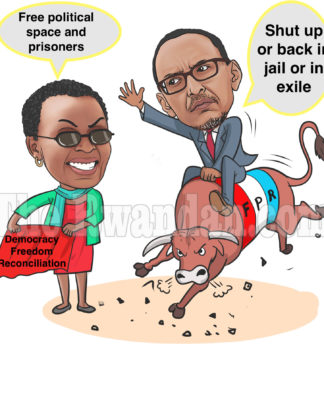
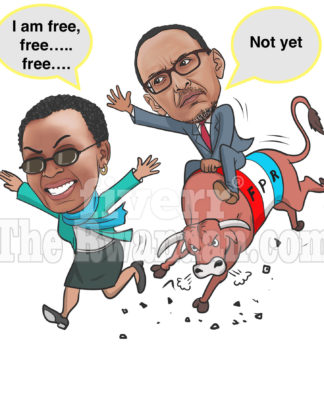
Rusesabagina’s re-emergence as an active political figure poses a challenge to President Paul Kagame and the RPF, especially as the newly formed coalition aims to rally both domestic and international opposition forces. Whether Rusesabagina’s coalition will succeed in gaining significant traction or if the Rwandan government will respond with further repression remains to be seen.