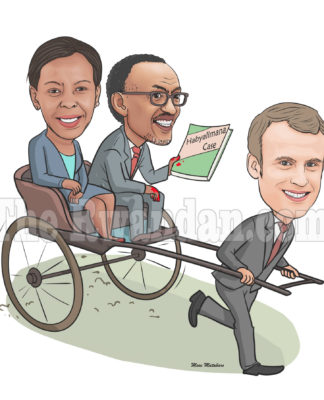

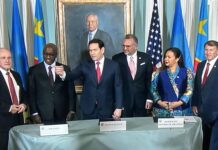

















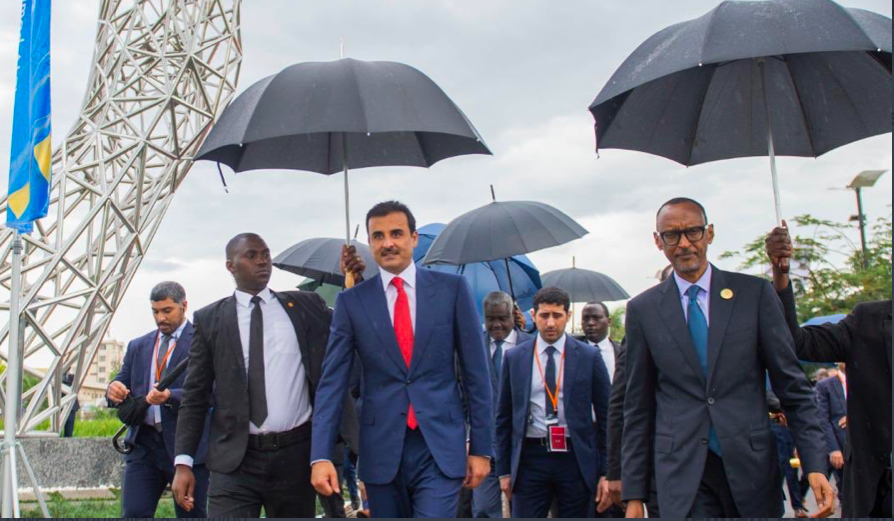
The recent meeting between Paul Kagame and Félix Tshisekedi in Doha, under the mediation of Qatar’s Emir Sheikh Tamim bin Hamad Al Thani, is far from a coincidence. As Rwanda faces increasing international sanctions, Qatar’s mediation could once again provide Kagame with a diplomatic escape route. This scenario strongly resembles the case of Paul Rusesabagina in 2023, where under U.S. pressure, Kigali used Doha to negotiate a discreet deal that led to the suspension of sanctions and the release of the opposition figure.
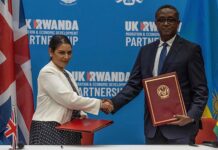
Kagame has a history of leveraging Qatari diplomatic channels to defuse international crises. In 2021, facing severe U.S. sanctions over Rusesabagina’s arrest, Kigali turned to Qatar, which brokered a diplomatic solution: the sanctions were dropped, the U.S. legal case was frozen, and in March 2023, Rusesabagina was freed and flown to Washington via Doha. Now, with Rwanda under mounting pressure, Kagame appears to be reactivating this strategy, using Qatari mediation to restore his image and attempt to soften international sanctions.
A Strategic Calculation Behind the Doha Meeting
Officially, the meeting between Kagame and Tshisekedi aimed to revive peace talks on the crisis in eastern DRC. However, several signs indicate that Kagame sees this mediation as a tool to strengthen his diplomatic standing beyond just his relations with Kinshasa.
The fact that the meeting took place in Qatar, rather than Luanda or another regional setting, suggests that Kagame wants to bypass diplomatic processes led by Angola and the East African Community (EAC). By operating in a space where he has strategic allies, he aims to present himself as a “pragmatic leader committed to peace,” which could slow down the escalation of sanctions against his regime.
Doha offers Kagame a platform where he can appear to be engaging in de-escalation while simultaneously negotiating indirectly with the U.S. and other influential actors. A partial or full withdrawal of Rwandan forces from the DRC, orchestrated under Qatari mediation, could serve as a bargaining chip to ease Western sanctions.
Qatar: An Essential Ally for Kagame
Qatar is not just a facilitator in this crisis; its economic alliance with Rwanda is critical. Doha owns 60% of RwandAir and is a key investor in the construction of Bugesera International Airport. Additionally, Qatari companies are among the top buyers of Rwandan gold, much of which is suspected to originate from conflict zones in eastern DRC.
A weakened Rwanda, hit by economic sanctions, is not in Qatar’s interest. Such a scenario could jeopardize its investments. Moreover, Doha has built a reputation as a key mediator in global conflicts, including between the U.S. and the Taliban and between Israel and Hamas. Its involvement in the Rwanda-DRC crisis further cements its status as a major diplomatic player.
A Maneuver to Buy Time?
If the official goal of this meeting was to ease tensions between Kigali and Kinshasa, the conflicting statements from both sides indicate ongoing deep divisions. Kinshasa emphasized a commitment to an immediate and unconditional ceasefire, while Kigali focused on “security guarantees” and the necessity of direct dialogue with M23.
This ambiguous approach could be yet another attempt by Kagame to slow down diplomatic pressure, buy time, and prevent further sanctions from being imposed. By relying on Qatari mediation, he likely hopes to extract concessions from the international community in exchange for a gradual withdrawal of his forces from DRC.
It’s a risky gamble, but one that could once again allow him to avoid harsher sanctions while maintaining leverage over the situation in eastern Congo.