












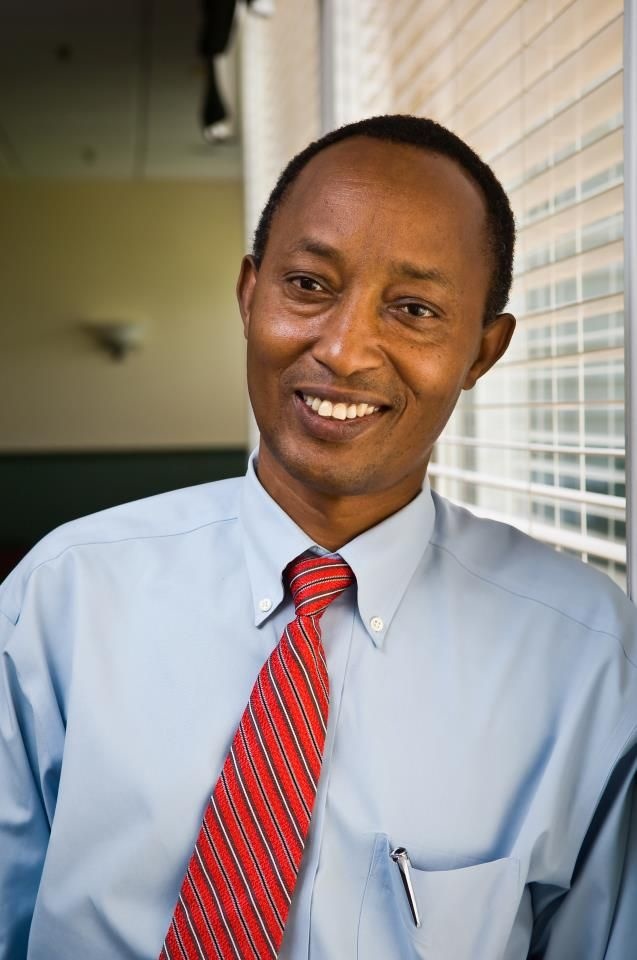
On February 24, 2025, Dr. Théogène Rudasingwa, co-founder of the Rwanda Truth Commission and the Rwanda Freedom Movement-ISHAKWE, published a scathing critique of the current political and military situation in Rwanda under President Paul Kagame’s regime, particularly regarding Rwanda’s ongoing war in the Democratic Republic of Congo (DRC). In his analysis, he condemns Kagame’s aggressive war policies and highlights the role of the M23 militia, a proxy force backed by Kigali, which, although presenting itself as fighting for the rights of Congolese Tutsis, is actually pursuing hidden agendas to allow Rwanda to annex parts of eastern DRC.
Dr. Rudasingwa begins by recalling the recent sanctions imposed by the U.S. government through the Office of Foreign Assets Control (OFAC) on James Kabarebe, one of Kagame’s closest allies. Kabarebe, a Rwandan general, is accused of being responsible for numerous atrocities, including political murders, acts of genocide, and war crimes in the DRC. His involvement in destabilizing the DRC and his close ties to Kagame underscore the brutal nature of the Rwandan regime, according to Rudasingwa.
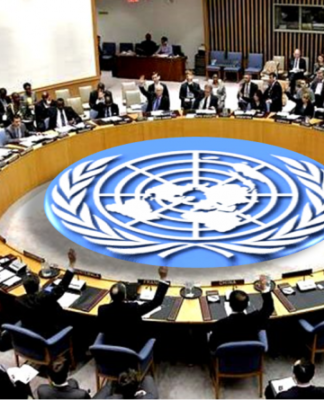
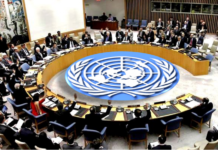
The article goes on to mention the United Nations Security Council’s unanimous condemnation of Rwanda, calling for an immediate withdrawal of Rwandan troops from the DRC and an end to Rwanda’s support of the M23 militia. The M23, which claims to fight for the rights of Congolese Tutsis, is in fact an instrument of Rwanda, executing Kigali’s regional ambitions and securing economic gains for the Rwandan ruling class. According to Rudasingwa, this militia’s actions are not about protecting local populations but about expanding Rwanda’s influence over the eastern DRC, a region rich in mineral resources.
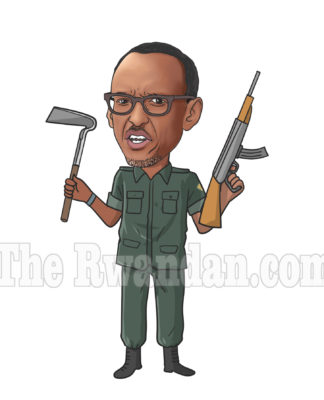
Rudasingwa criticizes Kagame’s rhetoric, which justifies these wars under the guise of protecting Tutsis in the region, but argues that the true motivations are far different. The capture of key strategic cities like Goma and Bukavu, both in 2012 and again in 2025, has allowed Kagame to control areas crucial to the exploitation of the DRC’s mineral wealth, such as coltan and cobalt. Rudasingwa calls this a blatant example of economic opportunism and territorial expansion by the Rwandan regime, which has no genuine concern for the welfare of local people but is instead driven by the desire to create a “Greater Rwanda” through the annexation of DRC territory.
He also criticizes Kagame’s response to international pressure. Despite sanctions and growing condemnation, Kagame continues to pursue his war policies with impunity. His reaction to Belgium’s support for EU sanctions—suspending cooperation with the country—reflects his arrogance in the face of international criticism. This attitude reveals that the Rwandan government sees international pressure not as a challenge to its actions, but as something to be maneuvered around, enabling Kagame to continue his military adventures.
Attempts at dialogue, particularly through the Southern African Development Community (SADC), the East African Community (EAC), and the African Union (AU), have largely failed to produce any tangible results, further emboldening Kigali and reinforcing the perception of impunity. According to Rudasingwa, this has allowed Kagame to pursue his wars strategically, without fear of significant consequences.
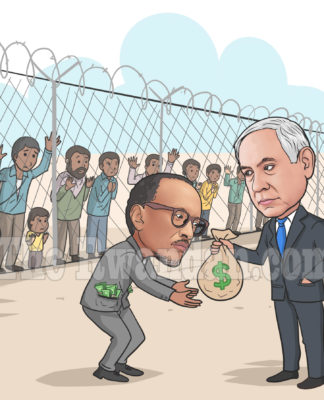
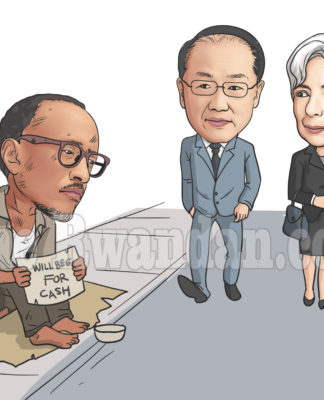
Dr. Rudasingwa also draws attention to the internal consequences of these policies. While Rwanda may appear economically stable, this prosperity is built on external debt and the exploitation of DRC’s natural resources. The country has become a key player in the plundering of Congolese minerals, a fact that has fueled the war for decades. This dynamic benefits a small circle of Tutsi military elites, while the vast majority of the Rwandan population suffers the effects of a war-driven economy.
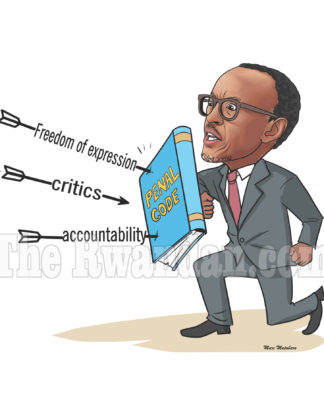
The article also questions the notion of Rwanda’s economic success. Foreign investments, often seen as a sign of economic achievement, cannot conceal the underlying flaws of Kagame’s regime. The political stability maintained through systematic repression and the absence of real democratic freedoms undermines the foundations of Rwanda. The country is increasingly in debt, and its aggressive foreign policy, combined with authoritarian domestic governance, could eventually lead to economic and political collapse.
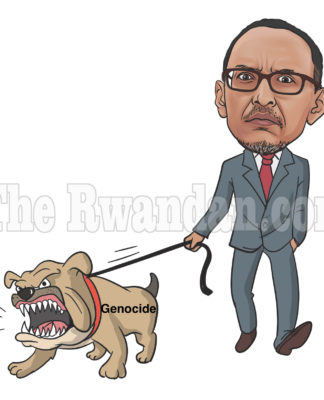
Rudasingwa uses a Rwandan proverb, “Ukubise imbwa aba ashaka shebuja,” which translates to “When you beat the dog, you touch its master,” to illustrate the inevitable consequences of Kagame and Kabarebe’s actions. According to Rudasingwa, the day of reckoning for these leaders is coming. History will show that unjust wars, built on exploitation and aggression, ultimately lead to the downfall of those who pursue them.
Dr. Rudasingwa’s article paints a damning picture of Kagame’s regime and its role in the DRC conflict. While military successes may offer temporary advantages, they are unlikely to prevent long-term strategic decline. The human, economic, and social costs of these policies will ultimately fall on future generations, both in the DRC and Rwanda. The cycle of exploitation and conflict will leave ordinary people with nothing but the burden of lost potential and shattered lives.