


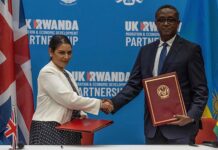








The United Kingdom has stepped up its diplomatic efforts in response to the escalating conflict in eastern the Democratic Republic of the Congo (DRC). In February 2025, the UK expressed deep concern over the situation on the ground, particularly the offensives by the M23 group and the Rwanda Defence Forces (RDF), which have occupied strategic cities like Goma and Bukavu, jeopardizing DRC’s sovereignty and territorial integrity. Through meetings led by UK Foreign Secretary David Lammy in Kinshasa with President Tshisekedi and in Kigali with President Kagame on 21 and 22 February, the UK government reiterated its call for an immediate ceasefire and a political resolution to the conflict.
The discussions between David Lammy and the two leaders marked a key moment in this international diplomacy. The UK was clear in its expectations of both Rwandan and Congolese authorities: there is no military solution to this conflict. The emphasis was placed on the importance of an inclusive political dialogue, led by African initiatives, to resolve the crisis sustainably.
At the heart of the UK’s position is a strong condemnation of Rwanda’s military involvement in the DRC. The UK considers the recent actions of the RDF and M23 to be a direct violation of Congolese sovereignty and a grave breach of the United Nations Charter. In response to this situation, the UK government has announced a series of measures to exert pressure on Rwanda. These include reducing diplomatic and trade cooperation, as well as suspending direct bilateral financial aid, except for programs supporting the most vulnerable populations.
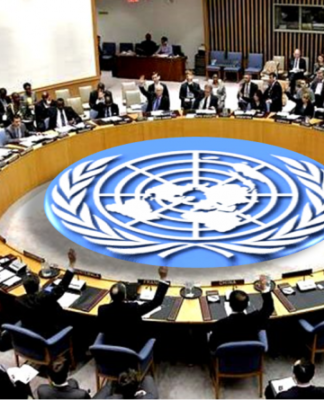
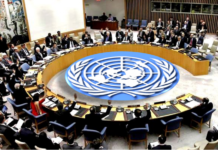
In addition to these actions, the UK has strengthened its humanitarian commitment by announcing a funding package of £14.6 million to assist millions of Congolese affected by the conflict. The United Nations, at the same time, has called for an immediate ceasefire and the withdrawal of Rwandan forces from occupied Congolese territories. The UK has supported this position, urging Rwanda to withdraw from the DRC and respect African-led peace processes, particularly those from the East African Community (EAC) and the Southern African Development Community (SADC) summits.
The international response, though marked by repeated calls for peace, also highlights the limits of diplomatic impact when faced with a determined actor like Rwandan President Paul Kagame. Despite growing pressure, Kagame continues to pursue his ambitions in the DRC, particularly due to the economic benefits derived from the exploitation of natural resources in the eastern part of the country, a key factor fueling the conflict.
The measures taken by the UK reflect a shift in strategy, aiming to limit interactions with Rwanda as long as it continues to militarily support the M23. This approach seeks to force Kigali to change its course, emphasizing that military aggression has no place as a solution to this complex conflict. However, the question remains: how far will international pressure go in compelling Rwanda to accept a lasting peace in the DRC?