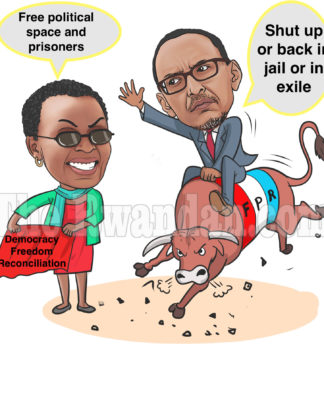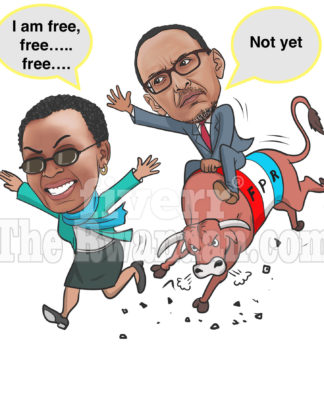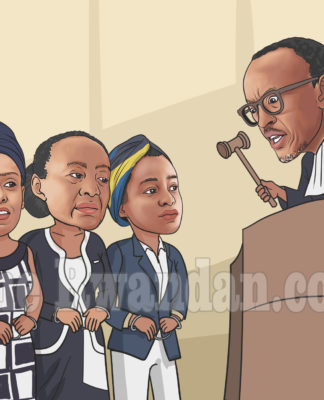










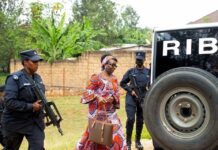
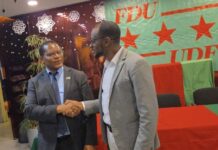


On March 3, 2025, the New York City Bar Association, through its International Human Rights Committee and African Affairs Committee, issued a statement condemning the inhumane treatment of Victoire Ingabire Umuhoza by the Rwandan government. The former presidential candidate and leader of the United Democratic Forces (UDF-Inkingi) was arrested upon her return from exile in 2010, imprisoned on charges of genocide denial and conspiracy against the state, and subjected to five years of solitary confinement. Despite a ruling by the African Court on Human and Peoples’ Rights ordering reparations in her favor, the Rwandan government ignored the decision and withdrew from the Court’s jurisdiction. Since her 2018 presidential pardon, Ms. Ingabire remains under strict surveillance, is prohibited from leaving the country, and faces severe restrictions on her freedom of movement.
Arbitrary Arrest and Imprisonment
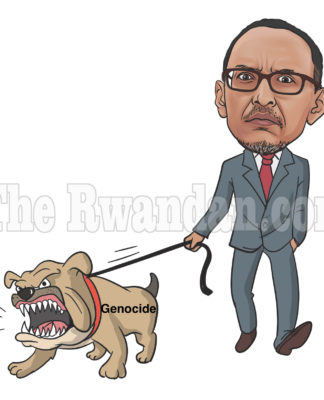
In 2010, after 16 years in exile in the Netherlands, Victoire Ingabire returned to Rwanda to contest the presidential election. However, the government refused to register her party, effectively barring her from running. When she called for recognition of crimes committed by the Rwandan Patriotic Front (RPF) against Hutu populations, she was arrested and sentenced to eight years in prison in 2012, later increased to 15 years on appeal in 2013.
The African Court on Human and Peoples’ Rights later ruled that her conviction violated her fundamental rights, particularly Article 19 of the Universal Declaration of Human Rights (UDHR) and the International Covenant on Civil and Political Rights (ICCPR). However, the Rwandan government ignored the ruling and withdrew from the Court’s jurisdiction to avoid future accountability.
Five Years of Solitary Confinement and Inhumane Prison Conditions
While incarcerated in Kigali’s “1930” prison, Ms. Ingabire was placed in total isolation for five years. This violates the Convention Against Torture (CAT), which prohibits cruel, inhuman, or degrading treatment. Additionally, any inmate who attempted to communicate with her was transferred to a remote prison, severing her social and family ties. These punitive measures were only halted after she publicly exposed them.
Presidential Pardon with Severe Restrictions
In September 2018, she was granted a presidential pardon, but with strict conditions. She must report to the prosecutor’s office every month and cannot leave the country without government authorization. Furthermore, she is denied the right to reunite with her family in the Netherlands, where her husband is critically ill and she has not seen her children since 2010. This violates Article 13 of the UDHR, which guarantees the right to leave any country and return.
Repression of UDF Members and Extrajudicial Killings
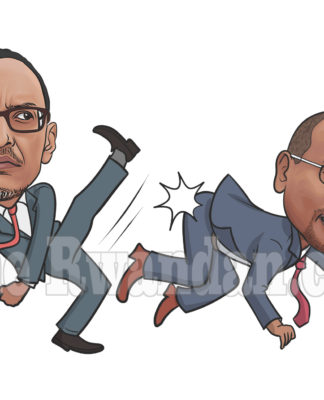
The persecution extends beyond Victoire Ingabire to members of her United Democratic Forces (UDF-Inkingi) party, who have been abducted, murdered, or forcibly disappeared, including:
• Anselme Mutuyimana, her assistant, abducted at a bus station and found murdered in 2019.
• Eugène Ndereyimana, UDF representative in Eastern Province, disappeared in July 2019 and has never been seen again.
• Jean Damascène Habarugira, found murdered with signs of torture, including gouged-out eyes and near decapitation.
These crimes remain uninvestigated, violating the Convention Against Torture, which obligates states to investigate human rights violations.
Call to Action by the New York Bar Association
In response to these human rights violations, the New York City Bar Association calls on the Rwandan government to:
1. End the inhumane treatment of Victoire Ingabire, in compliance with Article 14 of the Rwandan Constitution.
2. Allow her to leave the country and return to the Netherlands, as guaranteed by Article 53 of the Rwandan Constitution.
3. Expunge her wrongful conviction to restore her civil and political rights.
The international community’s silence regarding the repression of Rwandan opposition figures only strengthens a climate of impunity. Diplomatic and legal pressure is essential to end political persecution and ensure true democratic elections in Rwanda.