

















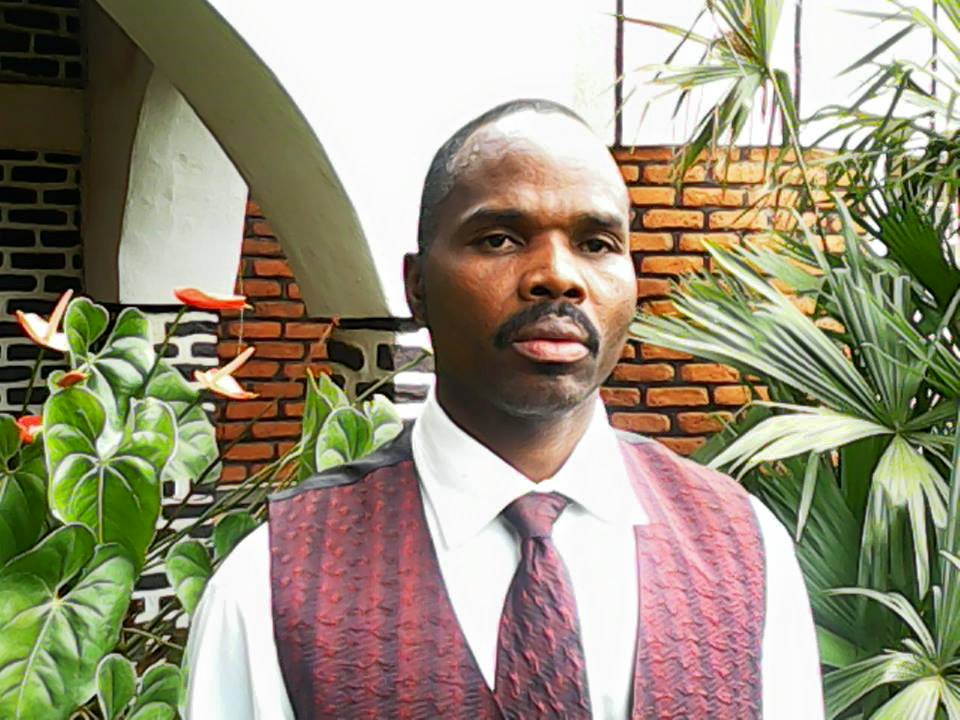
A recent statement from the PS Imberakuri party, signed by its founding president, Bernard Ntaganda, raises concerns about the current trajectory of Rwanda’s ruling party, the FPR-Inkotanyi, comparing its situation to historical Rwandan political parties that ultimately collapsed, such as UNAR, MDR-Parmehutu, and MRND.
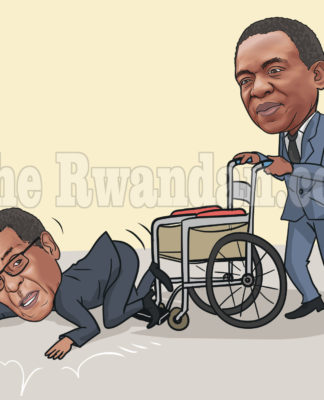
The statement draws historical parallels, recalling how the monarchy under King Kigeli V Ndahindurwa ignored demands for political reform, leading to its downfall in 1959. Similarly, MDR-Parmehutu, after securing power, suppressed internal dissent and fragmented, leading to its eventual collapse. The pattern repeated with MRND, which after consolidating power under President Juvénal Habyarimana, ultimately fell due to internal opposition and external pressures, particularly following the invasion by the Rwandan Patriotic Front (FPR-Inkotanyi) in 1990.
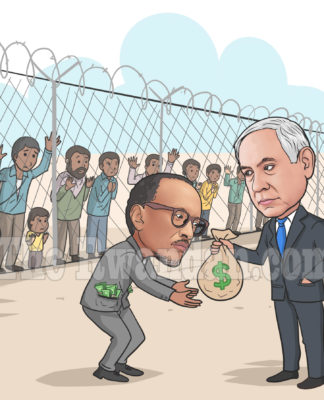
According to the PS Imberakuri, the FPR-Inkotanyi now finds itself in a precarious position, much like its predecessors, facing increasing domestic and international scrutiny. The statement highlights the conflict in eastern DRC, which began in 2021 with the resurgence of the M23 rebel group, as a key turning point. Rwanda has been widely accused by international actors of supporting M23, a claim Kigali continues to deny, despite reports from the United Nations and various Western governments.
The party argues that Rwanda’s repeated denials resemble previous moments in its history, where the government initially rejected allegations, only to later admit partial involvement. This is compared to the early 2000s, when then-Foreign Minister Charles Murigande publicly denied the presence of Rwandan troops in DRC, only for the government to later acknowledge their deployment.
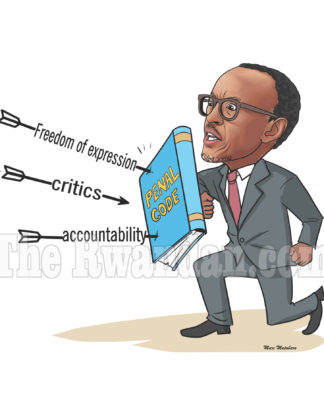
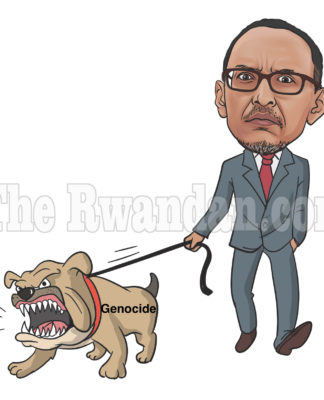
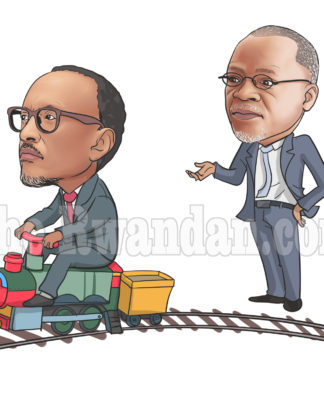
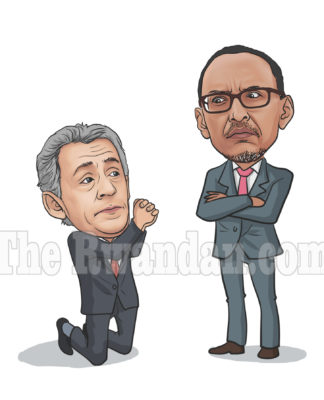
The PS Imberakuri attributes Rwanda’s worsening diplomatic situation to its governance style, which the party claims has become increasingly rigid, ignoring constructive criticism from opposition leaders. It warns that, like UNAR, MDR-Parmehutu, and MRND before it, the FPR-Inkotanyi risks falling due to its refusal to engage with dissenting voices and its over-reliance on coercion.
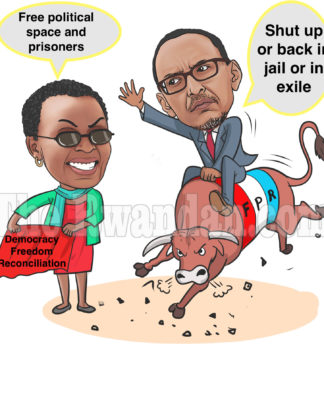
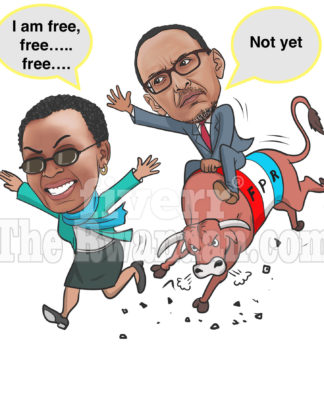
The PS Imberakuri insists that Rwanda’s current crisis requires genuine political engagement, particularly between the government and opposition parties. The statement references a joint proposal titled “Urwandiko rw’Inzira Rugamije Kugeza ku Rwanda kuri Ejo Hazaza Heza” (A Roadmap for a Better Future for Rwanda),published by PS Imberakuri and DALFA-Umurinzi, led by Victoire Ingabire, on July 1, 2021. This document, which was submitted to President Paul Kagame, outlined key reforms aimed at avoiding the kind of instability that led to the downfall of previous Rwandan regimes.
In the statement, Ntaganda urges Kagame to consider opposition voices, rather than relying solely on political figures driven by self-interest. The PS Imberakuri warns that ignoring legitimate political opposition could further isolate Rwanda and deepen its current challenges.