














On the 64th anniversary of Rwanda’s Kamarampaka referendum, a symbolic moment that marked the country’s transition from monarchy to republic, the opposition party FDU-Inkingi has issued a stark and defiant statement, declaring its ongoing fight against what it calls the “totalitarian, terrorist and anti-democratic state of the Rwandan Patriotic Front (RPF).”
In a communiqué signed in Toulouse by Secretary General Pierre Célestin Rwalinda, the party accuses the current regime of burying the democratic ideals for which the 1961 referendum once stood. The tone is sombre, urgent, and laced with frustration at what the party describes as a “Republic of fear.”
The Kamarampaka referendum: from promise to betrayal
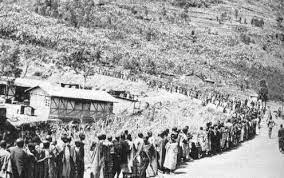
The original Kamarampaka referendum, held on 25 September 1961, offered Rwandans a democratic choice that ended years of political turmoil and led to the establishment of a republic. Today, FDU-Inkingi argues, nothing remains of that promise. “The cries of Rwandan citizens being slaughtered in the land of a thousand hills call us to break the silence,” the message reads.
The party claims that Rwanda is misrepresented abroad as a beacon of stability and economic success. Behind clean streets and glowing GDP figures, it says, lies a darker truth: a population stripped of basic freedoms, governed by fear, and silenced by repression.
“Rwanda is a totalitarian state”
FDU-Inkingi points to the 2024 presidential election—where Paul Kagame was re-elected with more than 99% of the vote—as evidence of a tightly controlled system devoid of genuine political competition. They argue that this landslide victory is not a sign of popular support but a reflection of an environment where opposition is crushed and citizens are excluded from decision-making on issues that directly affect their daily lives, from food production to education, housing, taxation, and physical security.
According to the statement, the government treats the population as “an adversary to be mistreated and a cash cow to be milked without being fed.”
Intimidation at home and abroad
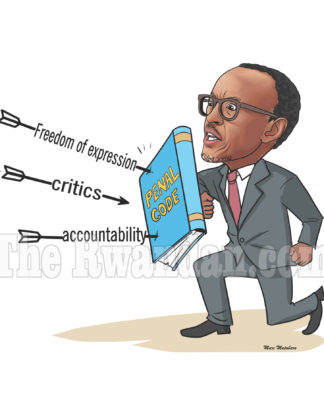
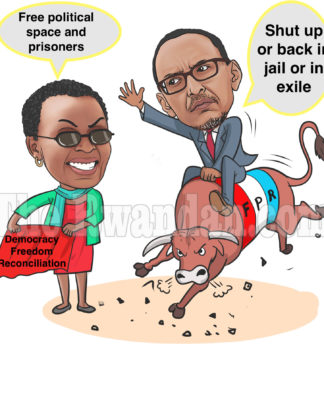
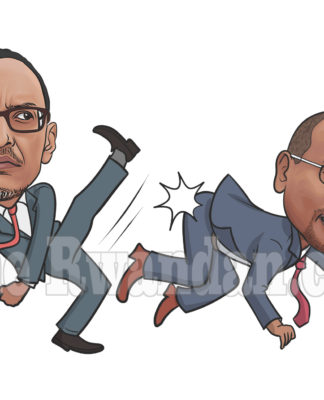
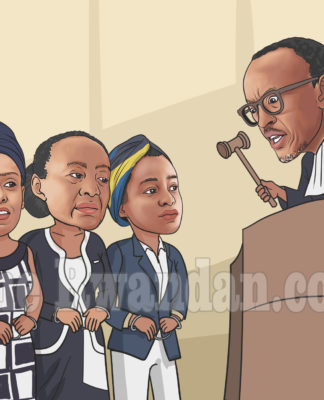
The opposition claims that dissent is criminalised, both inside Rwanda and across the diaspora. Political opponents are jailed or forced into exile. Arbitrary arrests, politically motivated trials, and enforced disappearances have, according to FDU-Inkingi, become routine tools of the state.
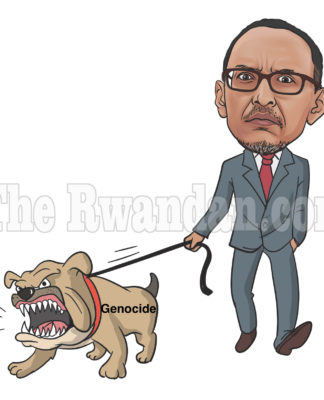
The statement further alleges that hate speech and ethnic discrimination are openly tolerated by authorities. Outside the country, Rwandan activists and journalists reportedly live under threat. The regime is accused of using spyware like Pegasus to monitor dissidents and deploying death squads abroad to intimidate or eliminate exiled critics.
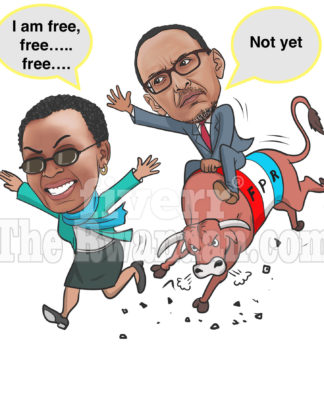
The arrest of Victoire Ingabire Umuhoza, FDU-Inkingi’s leading figure, on 19 June 2025 is cited as a prime example of this crackdown. Meanwhile, journalists such as Théoneste Nsengimana and Dieudonné Niyonsenga have spent years in detention merely for trying to report the truth, the party says.
A call to action
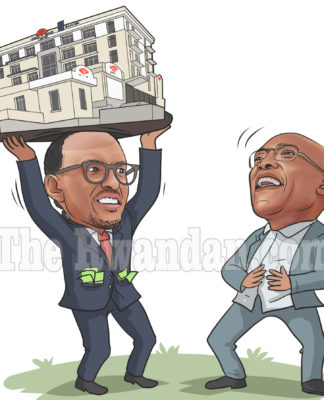
The statement poses a central question: “Why must we fight?” For the FDU, the answer is clear: no amount of economic growth can justify the destruction of civil liberties. “The dignity of a people is not measured by the number of buildings erected, but by the freedom to speak one’s mind without fear of prison,” the text asserts.
The opposition insists that Rwandans deserve more than fear and propaganda. It calls on Rwandans and “friends of Rwanda” around the world to expose injustice, support those who resist, and demand change. The goal, they argue, is not just to challenge a regime, but to restore the right of all Rwandans to shape their own future.
Towards a new political dialogue
In its closing, the statement reiterates the party’s support for a “Highly Inclusive Inter-Rwandan Dialogue” (DIRHI), which it sees as the only path to true reconciliation, peace, and democratic renewal.
“The current regime,” the message concludes, “is dangerous, criminal, and carries the seeds of its own destruction. It threatens not just Rwanda, but the entire Great Lakes region.”
FDU-Inkingi ends with a rallying cry:
“Long live a peaceful Rwanda. Long live a reconciled Rwandan people.”