












The Heads of State and Government of the Southern African Development Community (SADC) held an extraordinary virtual summit on Thursday to discuss the deteriorating security situation in the eastern Democratic Republic of the Congo (DRC). In the final communiqué read by SADC Executive Secretary Elias Magosi, the summit officially ended the mandate of the SAMIDRC mission and ordered the progressive withdrawal of its forces from Congolese territory.
While the official reasoning behind the withdrawal focuses on diplomatic solutions and regional stability, analysts argue that SADC forces found themselves in an unsustainable situation. The SAMIDRC mission, deployed in December 2023, was meant to support the Congolese Armed Forces (FARDC) in their fight against armed groups, particularly the Rwanda-backed M23 rebels. However, the situation quickly turned against them.
According to security experts, SADC troops were effectively encircled by M23 and Rwandan forces, cutting off vital supply lines. The precarious position of these forces made it nearly impossible to continue their mission effectively. Without adequate logistical support, the presence of SADC troops became more of a liability than an asset for the regional bloc. To avoid an embarrassing retreat, SADC negotiated an exit strategy, ensuring that its forces could withdraw in an orderly manner without abandoning their military equipment, which could have been captured and used as propaganda by Kigali and M23.
Reports indicate that some wounded and sick SADC soldiers were forced to pass through Rwanda, where they were subjected to humiliating searches, filmed for Rwandan propaganda purposes.
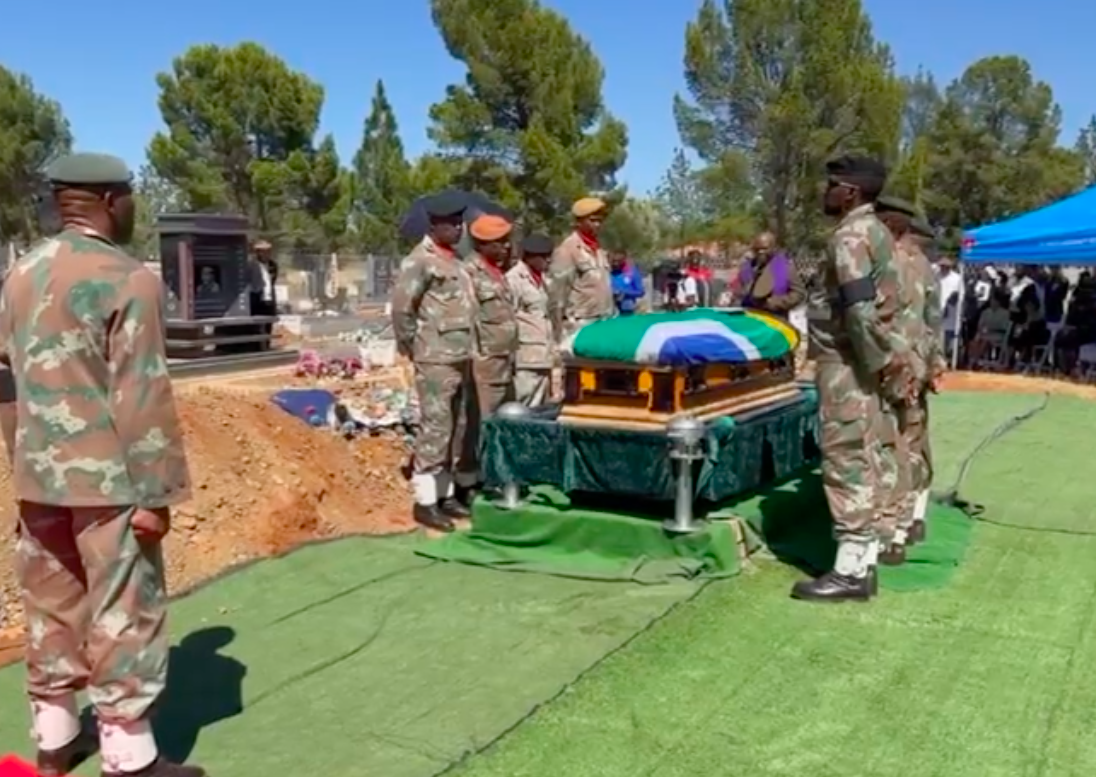
One of the most critical players in this withdrawal is South Africa, which has taken the lead within SADC’s military operations. Analysts suggest that Pretoria is preparing for a potential military response against Rwanda and M23 in the near future. South Africa has suffered a major diplomatic and military humiliation at the hands of Rwanda. Reports indicate that 14 South African soldiers were killed in combat against M23, allegedly with direct Rwandan military support. Despite this, sources suggest that SADC forces in Goma inflicted heavy losses on Rwandan and M23 troops, neutralizing hundreds of enemy combatants even though they were poorly equipped for such an operation.
In response, South Africa has reportedly deployed elite troops and advanced military assets to Lubumbashi in southern DRC and Burundi, positioning them for possible future intervention if necessary. The deployment of attack helicopters, drones, and fighter jets is being considered as part of Pretoria’s next moves to counter M23 and send a clear message to Kigali. For Pretoria, this is not just about the DRC; it is also about restoring its military credibility. South Africa’s ruling ANC party has had a long-standing rivalry with Paul Kagame, who has been accused of assassinating South African-based Rwandan dissidents and provoking regional instability. The killing of South African troops in the DRC has only escalated tensions between the two nations.
With SADC’s withdrawal, the Congolese government is left in an even more precarious position. The FARDC, despite receiving reinforcements and training, has struggled to contain M23’s advances. The European Union and the United States have imposed sanctions on M23 leaders and Rwandan officials, but diplomatic pressure alone has done little to change the reality on the ground.
M23 remains entrenched in key strategic locations, including Goma and Bukavu, and continues to benefit from Kigali’s support. Meanwhile, Rwanda has been accused of using plundered Congolese mineral wealth to finance its military and maintain its global image as a “development success story”, despite relying heavily on international aid.
The coming weeks will determine whether Angola’s mediation efforts can achieve tangible results or whether a new military escalation is inevitable. If South Africa decides to take military action using its superior aerial capabilities, it could dramatically shift the balance of power in eastern DRC.
For now, the withdrawal of SADC troops appears to be a tactical repositioning rather than a complete disengagement. The question remains: Will Pretoria seek revenge against Kigali, or will diplomatic negotiations offer a viable path to peace?