













The European Union is set to impose sanctions on approximately ten individuals linked to the ongoing violence in the Democratic Republic of Congo (DRC), particularly in connection with the offensive by the Rwanda-backed M23 rebel group. Diplomatic sources indicate that the sanctions will be formally adopted at a meeting of EU foreign ministers on Monday.
Since January, M23 forces have seized vast territories in the mineral-rich eastern DRC, including the major cities of Goma and Bukavu. This rapid advance has taken place with minimal resistance from the Congolese army (FARDC), further fueling suspicions of foreign involvement. Multiple reports, including those from the United Nations, indicate that Rwanda effectively controls the M23 and has deployed at least 4,000 troops alongside the group. Kigali, however, denies these allegations, maintaining that it faces security threats from the ethnic Hutu militia known as the FDLR, which operates in eastern Congo.
Belgium has led the push within the EU to impose sanctions on those responsible for the escalation. The measures under discussion include freezing assets and travel bans on individuals linked to the violence, potentially including high-ranking Rwandan officials. European policymakers are also debating broader punitive actions against Rwanda, such as suspending development aid, blocking its mineral trade agreements, and reviewing its participation in peacekeeping missions in Mozambique.
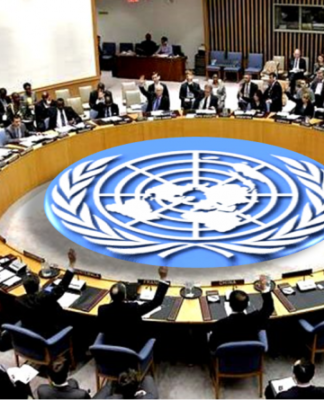
This move follows previous sanctions imposed by the United States, the United Kingdom, Canada, Germany, and Belgium. The UN Security Council has already condemned the M23 offensive, explicitly attributing it to direct support from the Rwandan Defence Forces. On February 13, the European Parliament adopted a resolution urging the European Commission and the European Council to suspend the EU Memorandum of Understanding on sustainable commodity value chains with Rwanda until Kigali ceases its interference in the DRC. The resolution also condemned the exploitation and export of minerals from M23-controlled areas, a long-standing issue in the conflict.
The stakes of this conflict extend beyond eastern Congo. The rapid escalation has raised fears of a potential repeat of the Second Congo War (1998-2003), which involved multiple African nations and resulted in millions of deaths from violence, disease, and starvation. As M23 consolidates its territorial gains, Kinshasa is weighing its options regarding participation in peace talks with the group. Angola has offered to mediate the discussions, but the Congolese government remains hesitant, given the group’s aggressive advances and Kigali’s continued denials of involvement.
Despite the mounting evidence, Rwanda maintains that it is not providing direct military support to M23, an assertion contradicted by intelligence reports and diplomatic sources. The EU’s latest move signals a shift towards stronger international pressure on Kigali. The sanctions, once enacted, will add to the growing isolation of Rwanda and its military leadership, particularly figures such as James Kabarebe, Rwanda’s Minister of State in charge of regional integration, who has already been sanctioned by the US for his role in destabilizing the Great Lakes region.
The humanitarian toll of the conflict has been devastating. Congo’s government reports that at least 7,000 people have died in the fighting since January, while over 600,000 have been displaced since November, according to the UN Office for the Coordination of Humanitarian Affairs (OCHA). Entire communities have been uprooted, and reports of human rights abuses, including summary executions and forced displacements, have intensified international calls for accountability.
For the EU, these sanctions represent a crucial test of its commitment to peace and stability in Central Africa. However, the effectiveness of these measures remains uncertain, as past sanctions have done little to curb Rwanda’s military influence in eastern Congo. Some analysts argue that stronger actions—such as economic restrictions on Rwanda’s lucrative mineral exports—may be necessary to force a meaningful policy shift in Kigali.
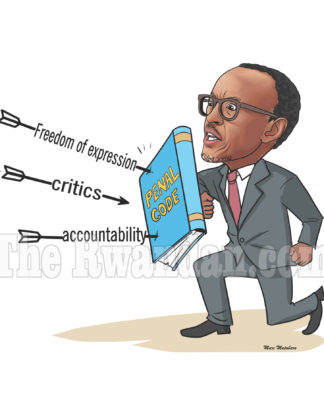
As the crisis deepens, the next few weeks will be critical in determining whether diplomatic efforts can prevent further escalation or if the region is sliding into another protracted conflict. With the EU joining the growing list of nations taking action against Rwanda’s role in the war, pressure is mounting on President Paul Kagame to reconsider his country’s involvement in the DRC’s instability.