














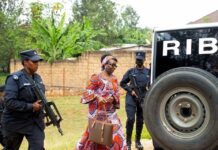





On Monday, October 7, 2024, a tragic event occurred in the Rubavu district, Western Province, Rwanda, where 13-year-old Mushinzeyesu Emerance was shot dead by the Rwandan police, and seven others were injured. The police were conducting an operation to combat cross-border smuggling between Rwanda and the Democratic Republic of Congo (DRC). The incident has raised serious concerns about the excessive use of force by Rwandan authorities and has sparked outrage among local residents.
The events unfolded in the morning in Bugeshi sector, where law enforcement officers were monitoring illegal border activities. According to eyewitness accounts from the victim’s family, Mushinzeyesu was on her way to GS Mugongo Secondary School, where she was a second-year student. There appeared to be no connection between the child and the targeted smuggling activities, leading the residents of the Nyacyonga village to question the violent nature of the police intervention.
Deeply affected by the death of the young girl, villagers expressed their anger by throwing stones at the police. In response, the officers opened fire, injuring several protesters. While some reports indicate seven injuries, local authorities, led by Rubavu District Mayor Mulindwa Prosper, officially acknowledged only four injured. These conflicting accounts have fueled further distrust in the official statements, as eyewitnesses insisted the number of victims was higher.
Shortly after the incident, Deputy Commissioner General of the Rwandan Police, Sano Vincent, denied that the officers had fired on civilians in broad daylight, categorically rejecting accusations that the police had targeted unarmed residents. His claims were swiftly dismissed by villagers, who accused the police of being a threat to citizens rather than protectors, particularly in the case of vulnerable individuals like Mushinzeyesu.
The discrepancies between local authority statements add to the confusion and frustration. Mayor Mulindwa Prosper stated that Mushinzeyesu was not a student but an active participant in illegal trade with her mother, a claim vehemently denied by the local community. They maintained that the child was merely heading to school when the incident took place.
This is not an isolated incident. International media outlets, such as Voice of America, have consistently reported similar cases in this border region. Areas like Bugeshi, Cyanzarwe, and Busasamana are frequently mentioned as zones of tension, where illegal goods, including second-hand clothes (caguwa), smuggled alcohol, marijuana, and other drugs, are trafficked between Rwanda and the DRC. The Rwandan police, in their efforts to combat these illicit trades, have often been accused of employing excessive violence against local residents, who are sometimes caught in the crossfire between law enforcement and smugglers.
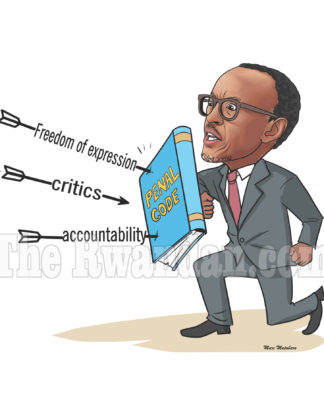
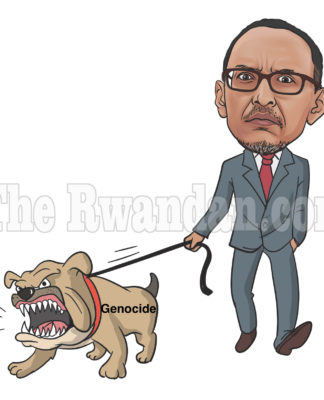
This incident has reignited debate over the law enforcement methods employed by the Rwandan government under the leadership of President Paul Kagame. For years, critics have accused his regime of favoring an authoritarian and repressive approach to maintaining order and security at the expense of human rights. Alleged abuses by the police and security forces are frequently condemned by human rights organizations, but the patterns of violence seem to persist without substantial reform or oversight.
Official statements often justify these actions by citing the need to maintain national security and protect Rwanda’s economy from the harmful effects of illegal trade. However, when children and innocent civilians become casualties of these heavy-handed interventions, the methods used by the authorities come under serious scrutiny. The death of Mushinzeyesu Emerance in Rubavu highlights an ongoing issue: the balance between security and the respect of citizens’ rights remains elusive in Rwanda.