
















 A Rwandan woman recently arrived in France has given a harrowing testimony to journalists and several human rights organisations, shedding light for the first time on what may have really happened to young Rwandan women who have been missing for several months after being recruited under false pretences.
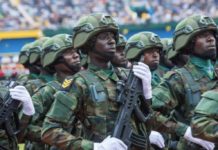
Speaking anonymously, the woman claims to have worked in the Democratic Republic of Congo (DRC) in camps controlled by the Rwandan army and M23 rebels, alongside several other women. All of them, she said, were recruited in Rwanda with promises of well-paid civilian jobs in logistics and cooking, supposedly to support a peacekeeping mission. In reality, they were sent into a war zone, forced to serve military operations under inhumane conditions.
According to her, the women were made to work 12 to 14 hours a day, often without rest, cooking in makeshift kitchens near combat zones. The salaries they had been promised were never fully paid, and in some cases, they received little or nothing at all. “This was not employment, it was a form of modern slavery,” she said.
Some of the women, she revealed, were raped by soldiers, while others died on site and were buried hastily, with their families never being informed. She was only able to escape during a temporary break and once she was safely outside the country.
“It was only once I was abroad that I could speak. Back there, it was impossible. Everything was watched, and any refusal or escape attempt could be fatal.”
Her testimony, though anonymous for safety reasons, has now been shared with several international NGOs. It finally brings to light the secret behind the disappearances of numerous young women who had left Kigali under the illusion of official assignments, only to vanish.
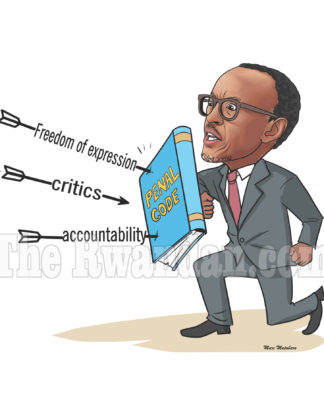
It also confirms long-standing suspicions surrounding the sudden deletion of an article published in October 2024 by KT Press, which had briefly reported on a family’s complaint in Kigali. The article was quietly removed from the website within 48 hours, likely under government pressure.
For observers, these revelations offer yet more proof that Rwanda’s involvement in the DRC goes far beyond supplying arms or troops. It also involves the deliberate use of Rwandan civilians, exploited as labourers in degrading and dangerous conditions, to support a conflict that has drawn widespread international condemnation.
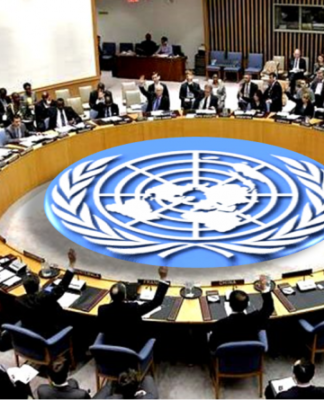
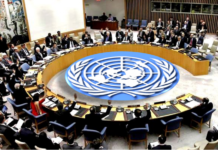
This testimony adds weight to the sanctions already imposed by the European Union, the United Nations, the United States, and other countries, all of whom have condemned Rwanda’s support for the M23 rebel group.
Thanks to this survivor’s account, some mothers may now finally know what happened to their daughters, who disappeared in the shadows of a war cloaked in secrecy a war that Kigali continues to hide at any cost.