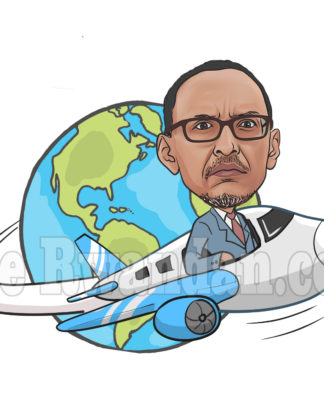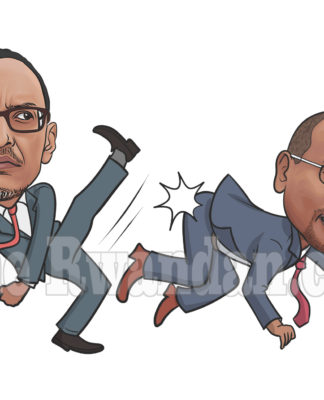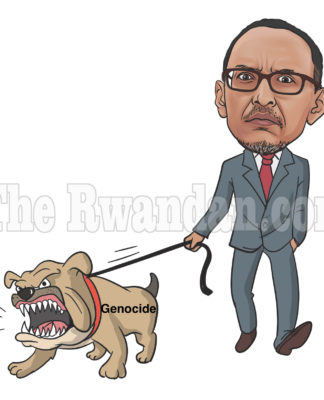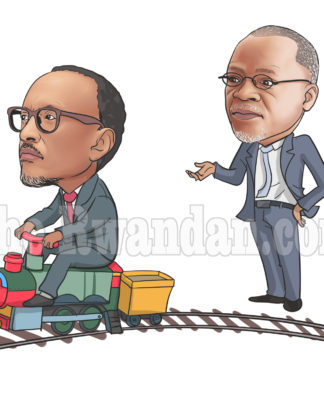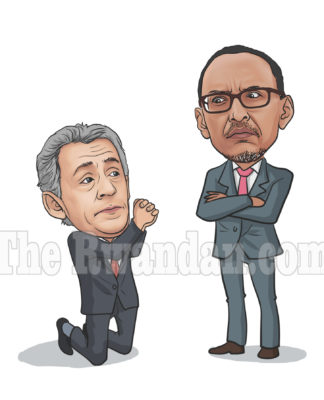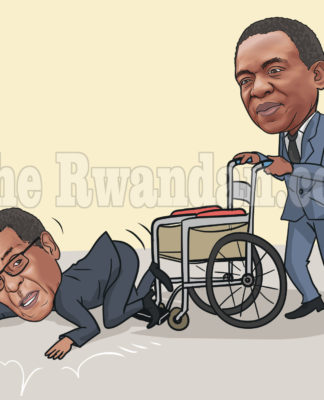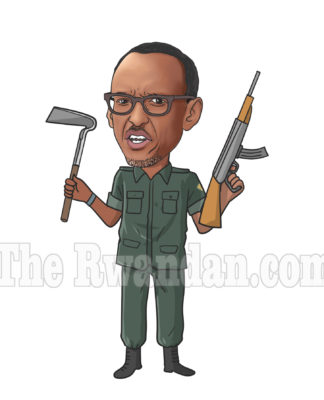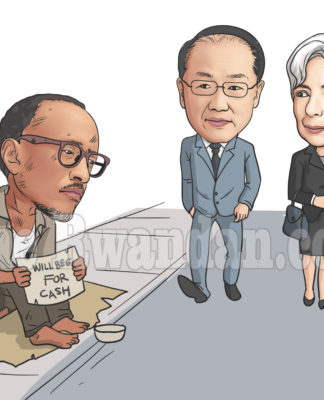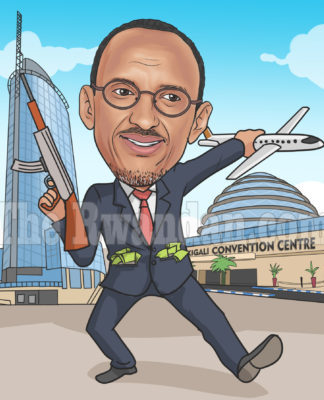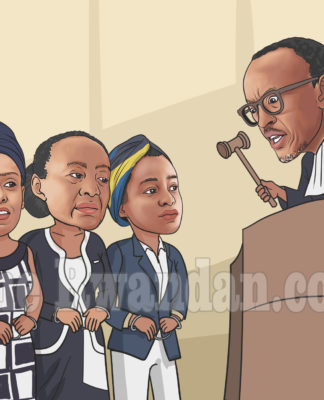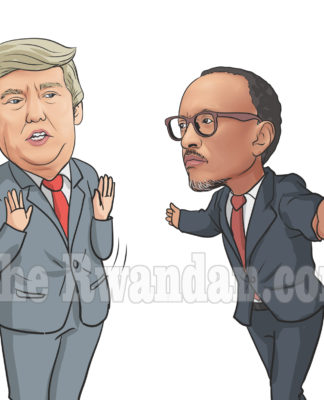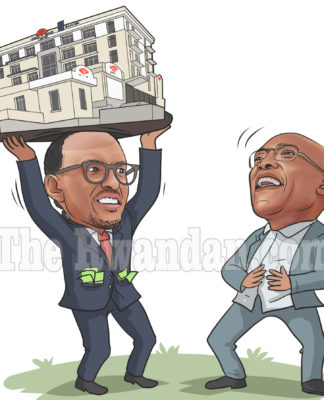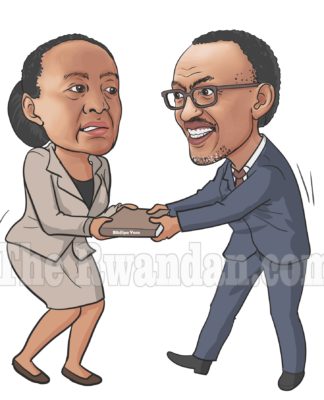



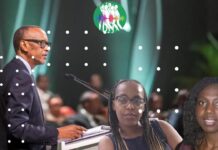




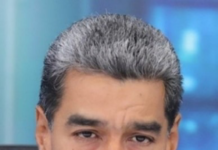





On January 16, 2025, Rwandan President Paul Kagame addressed diplomats accredited to Rwanda during a speech in Kigali. Kagame spent more than 90% of his one-and-half hour speech on the crisis in Congo. In his remarks, he strongly criticized the President of the Democratic Republic of Congo (DRC), Félix Tshisekedi, claiming that Tshisekedi did not win the presidential elections in 2018 and 2024. However, these accusations raise questions about their legitimacy, especially when they come from a leader whose own governance is frequently criticized for its democratic shortcomings.
Paul Kagame asserted that Félix Tshisekedi came to power without securing a popular mandate, referencing the controversial elections of 2018 and 2024 in the DRC. He continued saying “….. If you are a leader and an idiot, it’s a disaster, absolute disaster” According to him, major international powers chose to overlook these irregularities for geopolitical reasons, despite their rhetoric about democracy. Kagame also pointed to what he called the hypocrisy of the international community, accusing it of inconsistency in its commitment to credible electoral processes.
However, these claims, while grounded in some legitimate critiques of the electoral processes in the DRC, cannot easily obscure the realities of Kagame’s own regime. Indeed, the Rwandan president himself heads a political system regularly accused of suppressing opposition, manipulating election results, and governing with an iron fist.
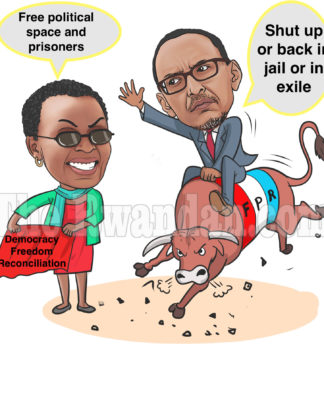
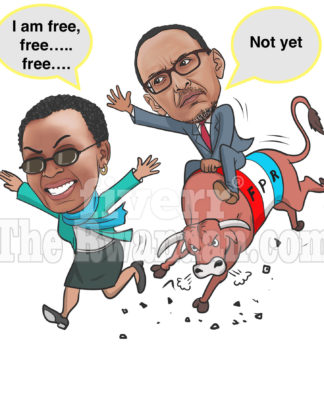
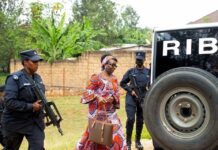
Paul Kagame, who has been in power for nearly 30 years, has himself been elected in contested elections. For instance, in 2003, massive irregularities marred the elections in which Faustin Twagiramungu, a credible opponent, was deprived of victory. Similarly, in 2010 and 2017, candidates like Victoire Ingabire and Diane Rwigara were prevented from running, falsely accused of various infractions, and imprisoned.
The irony lies in the fact that Kagame, while denouncing the electoral flaws of his neighbors, continues to lead a regime that does not provide genuine space for a free and independent opposition. His elections invariably end with participation rates and results nearing 100% in his favor, a phenomenon that raises serious doubts about their authenticity.
During the same speech, Kagame also criticized the international community’s passivity regarding the security crises affecting the Great Lakes region. He emphasized that these conflicts have a direct impact on the safety and lives of Rwandans, implying that Rwanda is unjustly overlooked by Western powers.
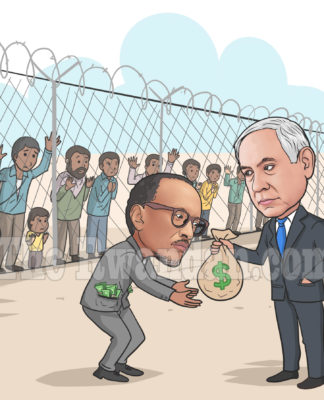
However, this discourse appears to be a cynical attempt to divert attention from the criticisms leveled against his own regime. Rwanda is frequently accused of playing an active role in the instability of the DRC, notably through its alleged support for the M23 rebels, a militia that terrorizes eastern Congo. These accusations, supported by several international reports, portray Kagame as more concerned with expanding his regional influence than genuinely resolving conflicts.
Kagame also used this platform to position himself as a defender of Rwandan interests against a world he describes as hostile or indifferent. He declared: “For you, all of this may seem like a simple game of tennis or golf, but for me and my people, it’s a matter of life and death.” This statement illustrates Kagame’s typical rhetoric, which tends to present his regime as the last bulwark against chaos and instability.
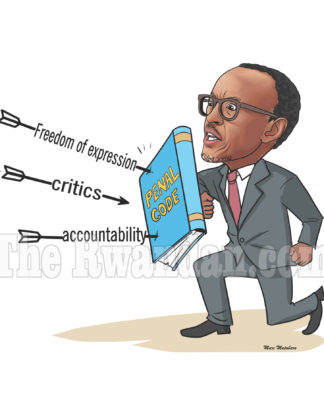
However, this posture should not obscure the realities of his rule. The Rwandan president governs a country where freedom of expression is severely limited, political opponents are often forced into exile or imprisoned, and independent media is virtually non-existent. This authoritarian centralization of power contrasts sharply with the principles of democracy he espouses when criticizing his neighbors.
Another point raised by Kagame concerns the role of foreign powers in managing crises in the region. He accused certain countries of adopting a hypocritical attitude, criticizing some regimes while ignoring abuses committed elsewhere. While this critique is not entirely unfounded, it appears to be a strategy aimed at delegitimizing international criticism of his own regime.
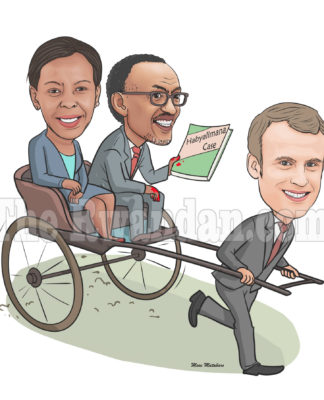
In reality, the international community has often been complacent toward Kagame, owing to his so-called economic success and his presumed role in stabilizing Rwanda after the 1994 genocide. However, this leniency comes at a cost: it reinforces a regime that continues to violate human rights and stifle all opposition.
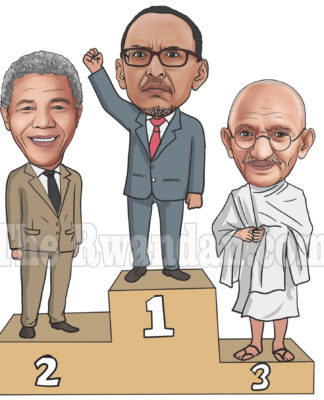
By criticizing Félix Tshisekedi and denouncing the hypocrisy of major powers, Paul Kagame seeks to divert attention from the democratic shortcomings of his own regime. While his accusations against the DRC and the international community may contain elements of truth, they are undermined by his inability to apply to his own country the same standards he demands of his neighbors.
In this context, it is crucial that observers and international diplomats are not distracted by these statements and continue to demand democratic reforms in Rwanda, as well as in the rest of the Great Lakes region. The so-called economic development and stability should not be used as excuses to justify growing authoritarianism and a blatant disregard for fundamental rights.