























On January 15, 2025, the Rwanda Mines, Petroleum and Gas Board (RMB) announced that a 2D seismic survey conducted between 2021 and 2022 revealed potential hydrocarbon resources in Lake Kivu. Located between Rwanda and the Democratic Republic of Congo (DRC), this lake could hold reserves of oil and natural gas, sparking questions about the geopolitical implications and the already strained relationship between the two nations.
According to RMB, while hydrocarbons have been detected, no commercially viable discovery has been confirmed yet. The Lake Kivu basin, part of the East African Rift system, has sediment thicknesses of up to 3.5 kilometers, which is an encouraging indicator for oil exploration. The study also identified 13 structural pockets and potential drilling sites. Based on this data, Rwanda is now calling for investors to participate in the next phases of exploration and development.
However, this economic prospect comes with significant concerns about its impact on regional stability, already fragile due to decades of armed conflict and rivalries over natural resources.
Potential for Increased Tensions with the DRC
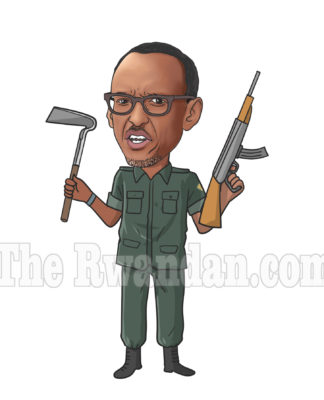
The discovery of oil in Lake Kivu could worsen relations between Rwanda and the DRC. For years, Kigali has been accused of supporting rebel groups, such as the M23, to loot mineral resources from eastern Congo. These accusations, supported by numerous international reports, place Rwandan President Paul Kagame at the center of criticism regarding instability in the region.
Oil exploitation could provide Kagame with another opportunity to strengthen his grip on this strategic area. According to some analysts, Kagame and his allies have not hidden their ambitions to annex the Congolese Kivu region, rich in natural resources and bordering Rwanda. The discovery of oil could therefore serve as an additional pretext to maintain a military and political presence in eastern DRC.
Kagame’s Ambitions: A Risk to Congolese Sovereignty
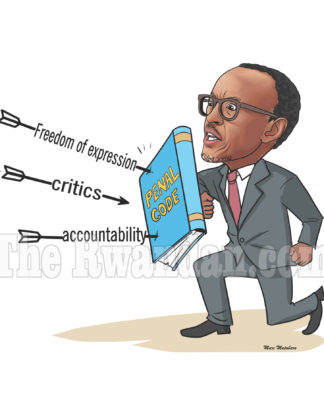
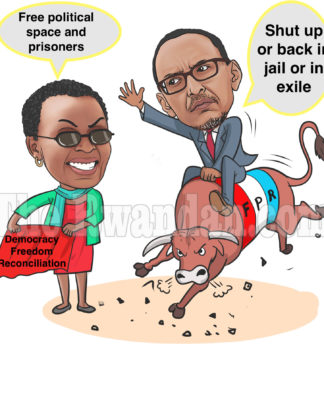
Paul Kagame, often praised as a visionary leader and architect of Rwanda’s economic development, is also criticized for his authoritarianism and interference in neighboring countries. The potential presence of oil in Lake Kivu could amplify these criticisms, especially if Rwanda seeks to monopolize these resources to the detriment of the DRC.
A regional expert suggests that Kagame would likely be unwilling to share the benefits of oil exploitation. This stance reflects a broader strategy aimed at controlling the region’s natural wealth. For decades, the mineral resources of eastern Congo—such as coltan, gold, and cobalt—have fueled wars and conflicts, often with the complicity of external powers and local armed groups.
Risks of Increased Militarization
The discovery of hydrocarbons raises the real risk of increased militarization in the region. Rwanda has repeatedly been accused of fostering tensions in eastern DRC to justify military incursions under the guise of national security or fighting rebel groups. In this context, oil resources could become a new source of conflict, attracting both local armed groups and foreign actors.
The militarization of the region would also exacerbate the suffering of local populations, who are already facing massive displacement, violence, and chronic poverty. If the oil wealth of Lake Kivu is not managed transparently and equitably, it risks perpetuating cycles of violence and instability rather than contributing to the region’s economic development.
The Role of the International Community
In light of these challenges, the international community has a critical role to play in preventing an escalation of tensions. Transparent monitoring mechanisms and effective diplomatic mediation are necessary to ensure that hydrocarbon exploitation benefits both countries and local populations fairly.
However, the international community’s ability to exert significant influence on Paul Kagame remains limited. Since the 1994 genocide, Kagame has cultivated an image as a reformist leader and strategic partner for Western powers. While this image is partially justified, it has often led to excessive tolerance of his authoritarian tendencies and regional interventions.
A Challenge for Regional Stability
The discovery of hydrocarbons in Lake Kivu could represent a major economic opportunity for the Great Lakes region. However, this opportunity comes with numerous challenges, particularly due to Rwanda’s geopolitical ambitions and the strained relations between Kigali and Kinshasa.
For this discovery to genuinely benefit local populations and avoid becoming a new source of conflict, a transparent and equitable framework of cooperation between Rwanda and the DRC is essential. This will require strong political will from both countries and firm commitment from the international community to prevent any unilateral or abusive exploitation.
In this context, Paul Kagame faces a critical choice: to use Lake Kivu’s potential resources as a lever for regional development or as a tool to strengthen his control over a region already ravaged by conflict. The answer to this question will not only determine the future of oil exploration in Lake Kivu but also the stability of the Great Lakes region.