


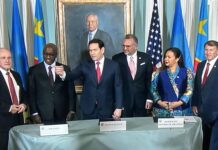




















In April 2025, a diplomatic milestone was reached when the Democratic Republic of the Congo (DRC) and Rwanda signed a Declaration of Principles in Washington, D.C., under the mediation of U.S. Secretary of State Marco Rubio. This framework aims to resolve one of Africa’s longest-running regional conflicts. U.S. Senior Advisor for Africa, Massad Boulos, confirmed the circulation of a first draft of the peace agreement to both President Félix Tshisekedi and President Paul Kagame. He emphasized the United States’ commitment to refining the document with both parties, stating: “Resolving long-standing differences is hard work, but we are committed to seeing this through.”
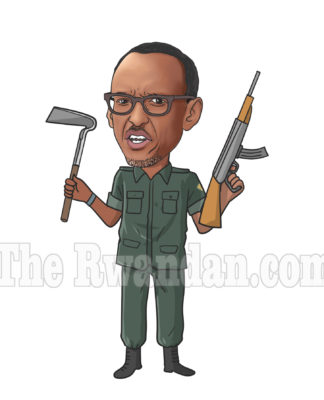
However, the optimism surrounding these developments must be tempered by the region’s complex history. Rwanda’s post-1994 regional strategy, developed in response to the influx of génocidaires into eastern Zaire (now DRC), has evolved from counterinsurgency to geopolitical assertiveness. During the First and Second Congo Wars, Rwanda supported rebel groups such as the AFDL and RCD, using them as instruments of regional influence (UN Security Council, 2001; 2003). This strategy enabled Rwanda to maintain access to DRC’s mineral wealth, including coltan, gold, and cassiterite, which entered global markets through opaque channels. Even after formal military withdrawal, control continued through groups like CNDP and M23 (UN Security Council, 2024).
A 2024 UN experts’ report provided photographic and satellite evidence of direct Rwandan military involvement in eastern Congo, including the provision of arms and logistical support to M23 rebels. Kigali denies these claims, yet its consistent proximity to the conflict fuels widespread suspicion. At the same time, Rwanda positions itself globally as a stable, business-friendly post-conflict state. However, numerous reports (Amnesty International, 2016; Global Witness, 2017) have highlighted discrepancies between Rwanda’s declared mineral production and its export volumes, suggesting ongoing reliance on resources trafficked from the DRC.
This duality—external conflict involvement and internal stability—has enabled Rwanda to punch above its geopolitical weight. Yet, the impact on eastern Congo has been devastating: sustained rebel violence, mass displacement, and systemic exploitation of local populations.
The Washington peace talks must also contend with the legacy of failed agreements. The Lusaka Ceasefire (1999), Sun City Agreement (2002), and Nairobi Communiqué (2007) all collapsed due to elite-driven negotiations, exclusion of key actors, weak enforcement, and neglect of underlying issues such as illegal mineral exploitation (Prunier, 2009; International Crisis Group, 2003; Stearns, 2012). As one civil society leader from South Kivu observed: “They are negotiating above our heads. It’s us who will live with the consequences.”
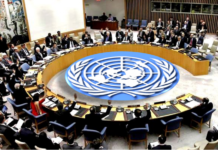
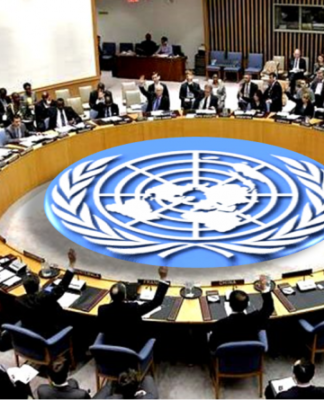
The current military imbalance further complicates progress. Rwanda’s relatively small but highly organized army—bolstered by strategic alliances and its support to M23—stands in stark contrast to the DRC’s fragmented and under-equipped forces. Estimates suggest that 3,000 to 4,000 Rwandan troops are active in eastern DRC (International Crisis Group, 2023). In response, the UN Security Council adopted Resolution 2773 in 2024, demanding that Rwanda cease its support for M23 and withdraw its forces. Yet, enforcement remains weak amid competing global interests.
Adding to the complexity are U.S. strategic priorities. As part of its mediation efforts, Washington is simultaneously negotiating bilateral agreements with Kinshasa and Kigali to secure critical mineral supply chains vital to its energy and tech sectors. While these deals promise major investment, they raise concerns that peacebuilding could be subordinated to economic interests.
In conclusion, the Washington-led peace initiative presents a rare opportunity, but its success will depend on more than diplomatic ceremonies. It must directly address the intertwined issues of resource exploitation, foreign interference, and local exclusion. Without robust accountability mechanisms, community participation, and a rethinking of the political economy of war, the process risks becoming another entry in a long catalogue of failed peace efforts in the Great Lakes region.
About the Author






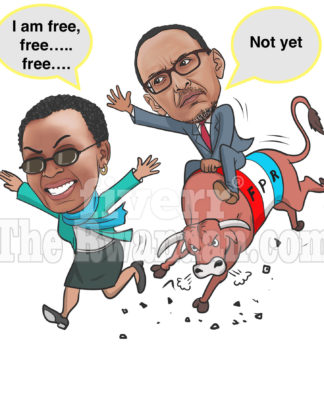

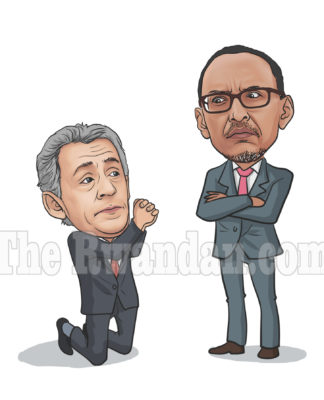
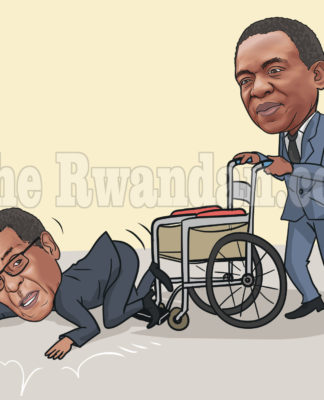
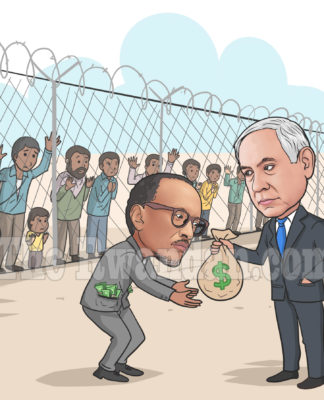
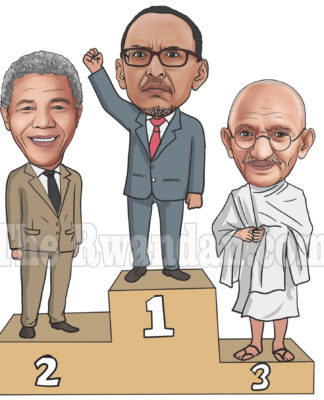








 and Rwanda signed a Declaration of Principles in Washington, D.C., under the mediation of U.S. Secretary of State Marco Rubio.)