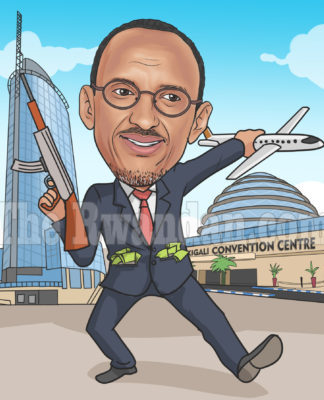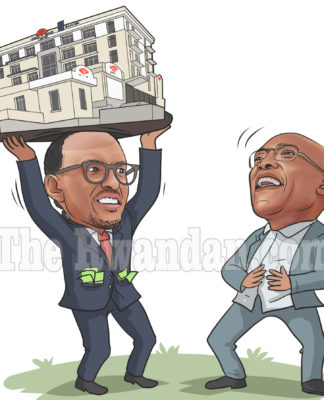





















Kagame and the DRC: The Failed Balkanisation Agenda is a deeply researched and authoritative analysis of Rwanda’s controversial role in destabilising the security and territorial integrity of the Democratic Republic of Congo (DRC) for the past three decades. Written by Dr. Richard Kapend, a native of the DRC, a professor, and criminologist at the University of Winchester, and René C. Mugenzi, a native of Rwanda, a prominent human rights activist and researcher, this book provides a critical examination of Rwanda’s involvement in Congo’s conflicts and its long-standing interference in the region’s governance and security.
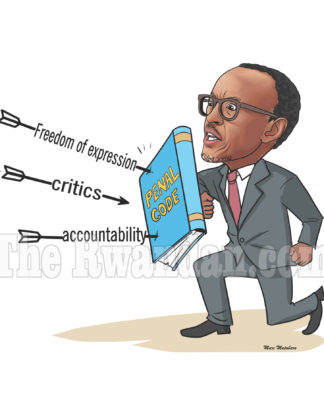
The book explores how Paul Kagame’s Rwanda has been accused of supporting armed groups, fuelling instability, and exploiting the DRC’s vast mineral resources. Dr. Kapend, drawing from his previous research on the demographic impact of the 1998–2004 Congo war, provides an in-depth analysis of the intricate dynamics of Congo’s conflicts and the central role Paul Kagame has played in fuelling these conflicts in pursuit of his Congo balkanisation agenda, which has now failed. Meanwhile, Mugenzi, an outspoken critic of Kagame’s authoritarian rule and a longtime advocate for democracy, human rights, and the rule of law in Rwanda, exposes how Kagame’s broader strategy of regional dominance and economic expansion has played a central role in prolonging conflict and weakening Congolese sovereignty.
At the core of this analysis is the alleged balkanisation agenda, the strategic attempt by Rwanda to divide and control eastern Congo through armed proxies like CNDP and M23. The authors detail how this effort ultimately failed due to mounting international scrutiny, resistance from regional actors, and the resilience of the Congolese state. While Rwanda has often justified its interventions as necessary to counter Hutu militias, the book argues that its deeper motivations have been to maintain economic control over mineral-rich territories and assert its influence over the Great Lakes region.
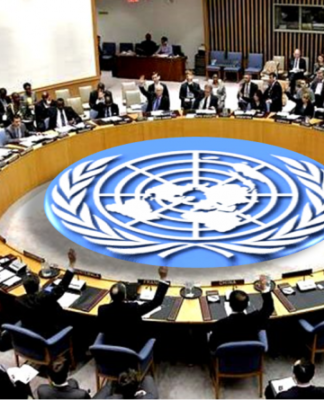
Beyond Kagame’s strategy, the book critically examines the international community’s response, exposing the contradictions in Western diplomatic pressure, the role of UN investigations, and the complicity of foreign governments that have continued to support Rwanda despite clear evidence of its destabilising actions in the DRC. The authors argue that global inaction and selective enforcement of accountability have emboldened Kagame’s ambitions and prolonged instability in Congo.
More than a geopolitical struggle, this conflict has inflicted unimaginable human suffering, resulting in millions of deaths, forced displacement of entire communities, and widespread humanitarian crises. The ongoing instability has left millions of people internally displaced or forced into exile, while countless others have fallen victim to mass killings, sexual violence, and starvation, all consequences of a war waged for control over land and resources.
With a blend of academic rigor, investigative depth, and analysis of existing reports, including UN Group of Experts reports, Kagame and the DRC: The Failed Balkanisation Agenda is an essential read for policymakers, researchers, journalists, historians and human rights defenders seeking to understand the intricate dynamics of Congo’s conflicts, Kagame’s central role in fueling them, and the devastating human toll of his failed balkanisation agenda.