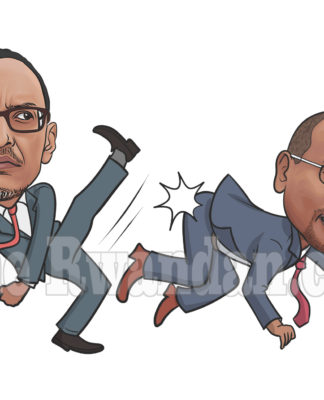





















Relations between Rwanda and Belgium have reached a breaking point, with Kigali announcing the immediate termination of diplomatic ties and ordering the expulsion of Belgian diplomats within 48 hours. This decision follows months of escalating tensions over Belgium’s stance on Rwanda’s involvement in the conflict in the Democratic Republic of the Congo (DRC). Kigali perceives this position as unwarranted interference and accuses Brussels of attempting to maintain a neo-colonial influence while spreading hostile misinformation.
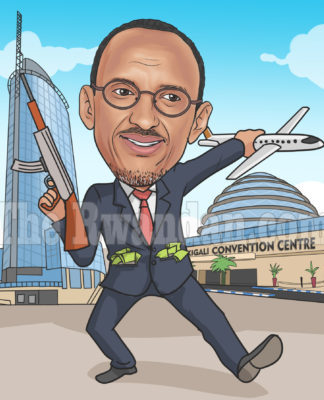
President Paul Kagame had already hinted at this rupture in a recent speech, in which he harshly criticized Belgium. In its official statement, the Rwandan government also recalled Belgium’s historical role in the region, accusing it of contributing to the ethnic extremism that led to the 1994 genocide against the Tutsi.
In response, Maxime Prévot, Belgium’s Minister of Foreign Affairs, European Affairs, and Development Cooperation, reacted on Twitter, expressing Belgium’s regret over Rwanda’s decision. Furthermore, Brussels has summoned the Rwandan chargé d’affaires, declared Rwandan diplomats persona non grata, and terminated bilateral cooperation agreements. 
 This crisis is expected to have significant economic and social repercussions for Rwanda. Belgium was a key financial partner, providing €45 million in annual aid, the loss of which will impact crucial sectors such as education, healthcare, and agriculture. In terms of trade, Rwanda exports mineral resources like coltan and gold, as well as agricultural products, to Belgium. A deterioration in relations could disrupt these exports and deter foreign investment, further destabilizing Rwanda’s economy.
The impact may also extend to Belgian NGOs operating in the country, whose withdrawal could jeopardize essential humanitarian and social programs. If other European nations follow Belgium’s lead, access to imported goods, including vital medicines, could become more difficult, worsening conditions for the most vulnerable populations.
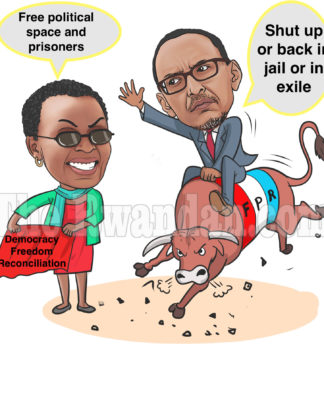
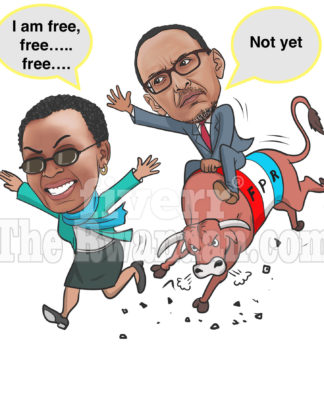
Diplomatically, Belgium’s influence within the European Union and international organizations could contribute to Rwanda’s growing isolation. However, this crisis may also strengthen Paul Kagame’s regime, as he could leverage the rupture to bolster nationalist rhetoric and intensify crackdowns on opposition groups, branding them as “Western collaborators.”
In the short term, the most immediate effects of this decision will be economic and social. In the long run, if Rwanda’s diplomatic isolation deepens, its development could be hindered, exacerbating inequalities. The future of relations between Brussels and Kigali remains uncertain, but this diplomatic break marks a major turning point with unpredictable consequences.