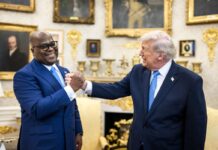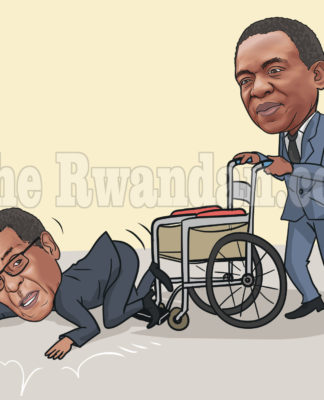

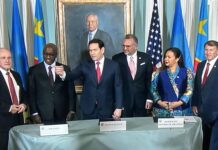











On March 18, 2025, Doha hosted a trilateral meeting between Qatar, the Democratic Republic of Congo, and Rwanda as part of efforts to ease tensions in eastern DRC. According to the Joint Statement between the State of Qatar, the Republic of Rwanda, and the Democratic Republic of Congo, Emir Sheikh Tamim bin Hamad Al Thani met with Rwandan President Paul Kagame and Congolese President Félix Tshisekedi to discuss pathways toward a lasting resolution to the conflict.
The heads of state welcomed progress made in the Luanda and Nairobi processes, as well as the joint EAC-SADC summit held in Dar es Salaam on February 8, 2025. They reaffirmed their commitment to an immediate and unconditional ceasefire, as agreed at that summit, and agreed to continue discussions initiated in Doha to establish a solid foundation for lasting peace within the now-merged Luanda-Nairobi process.
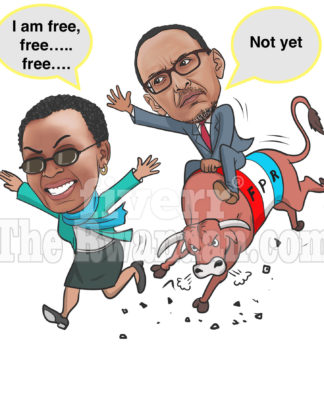
However, the actual implementation of these negotiations remains uncertain. While Angola confirmed that the Congolese delegation had already arrived in Luanda and that the M23 delegation was expected soon, the rebel group announced its refusal to participate, citing European sanctions as an obstacle to the talks. This stance, widely seen as a decision dictated by Kigali, exposes Rwanda’s maneuvering to exploit the diplomatic process to its advantage.
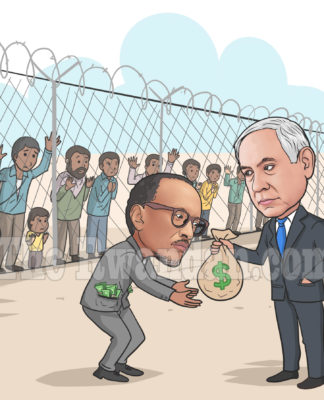
Kigali’s apparent objective is to hold the negotiations hostage to pressure the international community into reconsidering its recent sanctions. The European Union, led by Belgium, recently imposed sanctions on several high-ranking Rwandan military officials, M23 leaders, and a Rwandan company involved in the illegal trafficking of natural resources from the DRC.
This situation also highlights a shift in Kinshasa’s position. Initially, the Congolese government opposed direct negotiations with M23, arguing that engaging in talks with a rebel group backed by Kigali would legitimize the insurgents and allow Rwanda to deny its role in the conflict. Some analysts suggest that direct negotiations with M23 would have provided Kigali with an opportunity to frame the crisis in eastern DRC as a purely internal Congolese issue, downplaying its own involvement.
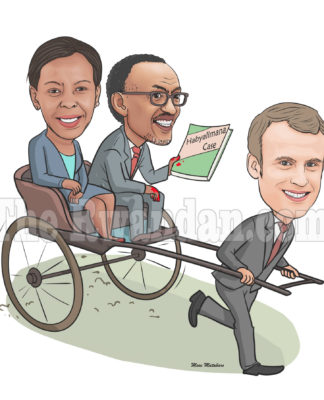
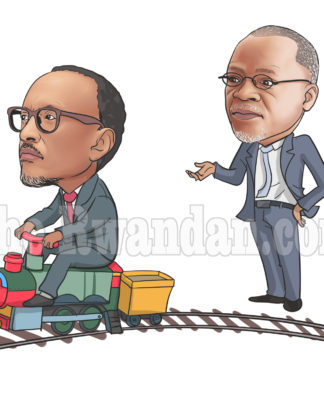
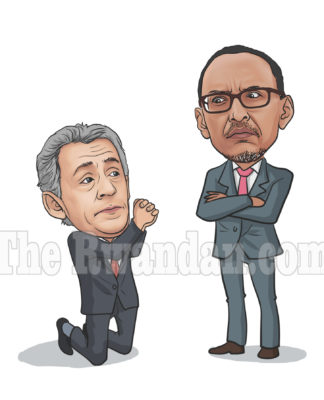
This raises a key question: Did Paul Kagame prevent M23 from going to Luanda because he knew he would be meeting Tshisekedi in Doha? The announcement of M23’s boycott of the Luanda talks came just before the Doha summit, suggesting that Kigali sought to control the diplomatic agenda by maintaining direct influence over discussions with Kinshasa. By blocking its military proxy from engaging in direct talks with the DRC under Angolan mediation, Kagame may have aimed to prevent a diplomatic process outside his control and ensure that all negotiations occur on his terms, in a setting where he could directly influence decisions.
This strategy may also reflect concerns that direct discussions in Luanda between the Congolese delegation and M23 could weaken Rwanda’s position and allow Kinshasa to impose its conditions before broader negotiations took place. By keeping M23 in a stance of refusal, Kigali continues to exert pressure on the international community, aiming to ease sanctions or slow the imposition of further punitive measures.
While Doha and Luanda offer potential avenues for dialogue, the success of any agreement will depend on the willingness of all parties to move beyond delay tactics and honor their commitments. Angola and Qatar play key roles in maintaining diplomatic momentum, but Kigali’s rigid stance risks undermining ongoing peace efforts and prolonging instability in the region.