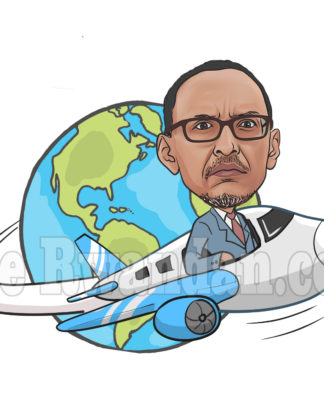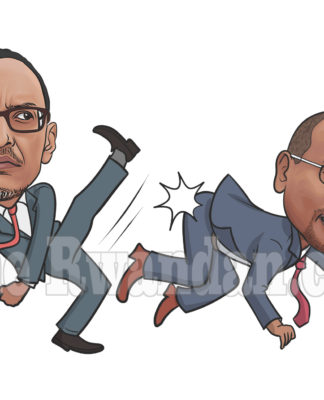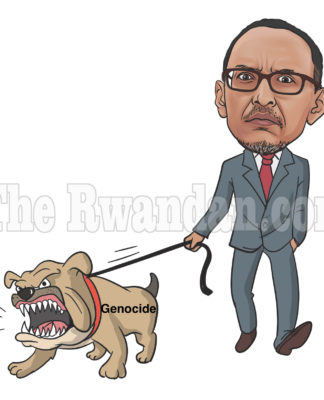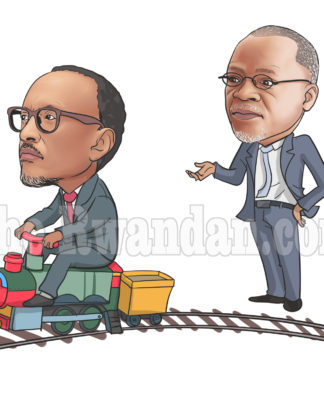











On July 15, 2024, Rwandans were called to the polls to elect the president and deputies. Everything was a charade. On the one hand, the presidential candidate was unique because the real potential opponents of the regime had been skillfully excluded for fear of bothering a timid, cowardly and unsure candidate of the true will of the people if transparent elections were organized. On the other hand, the people did not know any deputy candidate because they elected the insignia of the political parties; only one independent candidate had exhibited his photo and the majority of voters preferred it to the emblems of a clenched fist, an eagle, and three stars, etc. which practically mean nothing to Rwandans. This analysis describes the legitimacy, if any, of a system that has been lying to the population and deluding the international community for three decades.
1.Facts
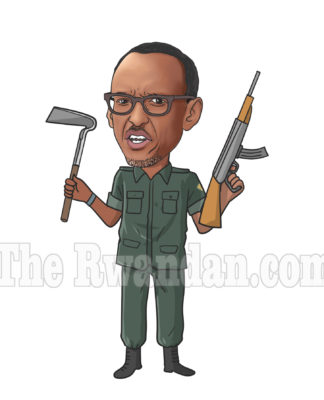
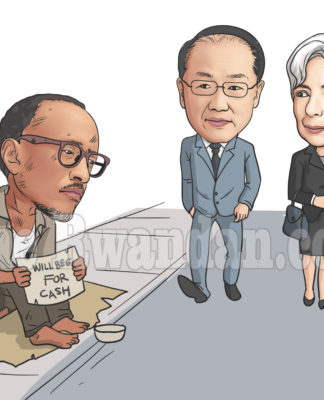
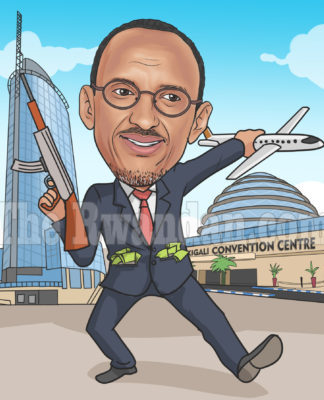
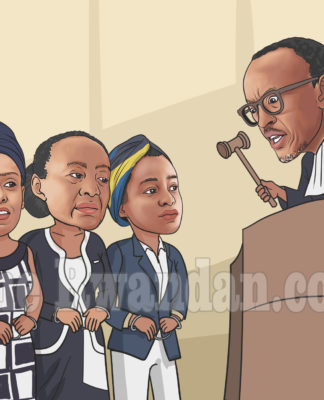
General elections were held in Rwanda on 15 July 2024 to elect the president and members of the Chamber of Deputies. In an election that was criticized as unfair for its barring of serious opposition candidates, incumbent President Paul Kagame, in office since 2000, was elected to a fourth term. Actually, a referendum in 2015 approved constitutional amendments that would allow incumbent President Paul Kagame to run for a third term in office in 2017, as well as shortening presidential terms from seven to five years, although the latter change would not come into effect until 2024. In 2022 Kagame told France 24 that he intended to run for president again in the 2024 election, despite having already served three terms in office. Kagame’s rule in the country has been described as authoritarian. According to Freedom House, Kagame is an autocrat who is responsible for “surveillance, intimidation, torture and renditions or suspected assassinations of exiled dissidents”. Human Rights Watch says that Kagame’s government arrested and threatened political opponents. Freedom House considered the elections in Rwanda neither free nor fair, citing reports of ballot stuffing, political intimidation, blocking of opposition challengers, and other undemocratic practices.
2.Analysis
1) Overt cheatings
In urban areas where live many intellectuals, you were given ballots and were ordered to tick or fingerprint the first box where the photo of Kagame Paul was posted; upcountry, either they have already voted for you and just color your fingers with indelible ink or they give you already completed ballots indicating the ballot box where to insert them. Better still, to make their task easier, the NEC arranged to place Kagame’s photo in the first position for the presidential elections and the emblem of the RPF for the legislative elections. But concerns persisted on their part despite this same commission belongs to the RPF regime.
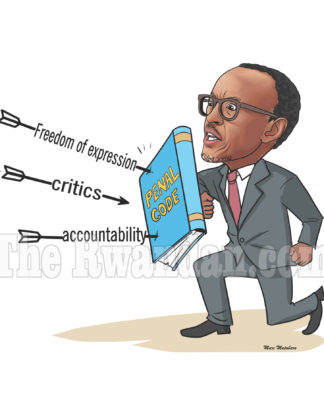
2)Closed political space
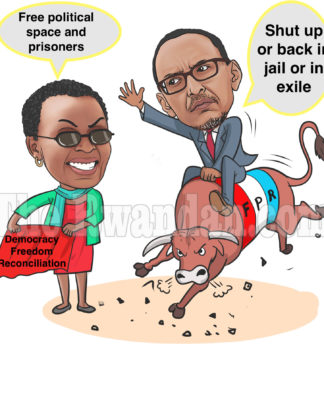
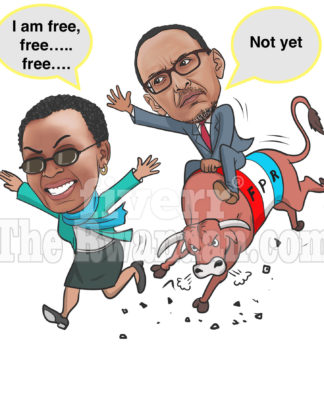
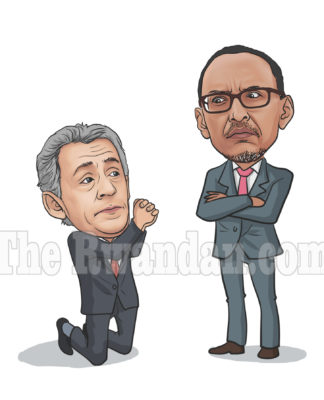
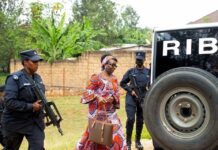
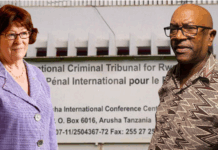
Rwandan strongman Paul Kagame is set to extend his 24-year grip on power as provisional results from Monday’s election showed him securing a fourth term with 99 per cent of the vote. The outcome was widely expected in the central African nation after the president ran virtually unopposed in an election widely criticized as unfair. Mr. Kagame ran against Frank Habineza of the Democratic Green Party of Rwanda and an independent named Philippe Mpayimana, the only other candidates who were granted permission to compete by the electoral commission. At least three challengers were barred, including prominent opposition leaders Diane Rwigara and Victoire Ingabire and Bernard Ntaganda. Although he had been the country’s de facto leader since the end of the civil war, Mr. Kagame took over as president in 2000 and went on to win three terms largely unchallenged amid allegations that the elections weren’t conducted in a free and fair manner. He has been accused by international rights groups of human rights violations, muzzling the media, eliminating opponents and supporting rebel groups in neighboring Congo. In a recent statement, Amnesty International raised concerns about “threats, arbitrary detention, prosecution on trumped-up charges, killings and enforced disappearances” targeting the political opposition in the country.
3) A campaign or forced popular support
The starving population was forced by local leaders to spend the night at campaign sites to prove that there are many of them supporting the outgoing president otherwise sanctions awaited them; the reluctant intellectuals who refused this charade were savagely repressed in terms of extrajudicial detentions in safe houses where torture and assassination are permitted. Neither Mr. Habineza nor Mr. Mpayimana enjoyed any public financial support. They ran weak campaigns and together won less than a per cent of the vote, according to the final results released after all ballots were counted.
4) The shenanigans daily unmasked
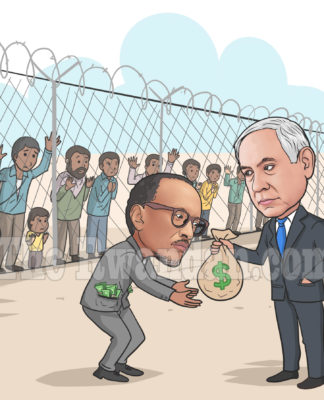
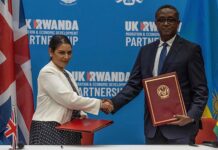
International scrutiny of Mr. Kagame intensified after Rwanda made a deal in 2022 to receive thousands of asylum seekers from Britain. The deal faced legal and political challenges after the UK’s Supreme Court deemed Rwanda an unsafe country for asylum seekers. Newly elected Labor prime minister Keir Starmer confirmed he would scrap the agreement. As Mr. Kagame prepares for his term, he faces escalating tensions with neighboring Congo, which has accused Kigali of sponsoring the M23 rebel group that’s waging a war in the country’s mineral-rich eastern region
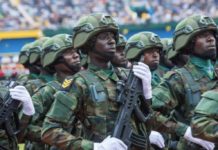
In addition, despite the fact that Rwanda has always denied its participation in the invasion of the DRC – even if at the internal level, President Kagame confirms that his forces are at the front, the presence of soldiers of the Rwandan army is undeniable given that it is reported by UN experts. Indeed, A day before the election on Monday, a UN report said Rwanda had sent around 4,000 troops to Congo.
5)A criminal designated deputy
A certain Nkuranga Egide appears on the final list of 37 RPF deputies. However, the latter is one of the four criminals namely Me Ngarambe Raphael; Sakindi Eugen and Kamuronsi Yves who assassinated Doctor Twagiramungu Fabien in a simulated road accident on April 01,2022. Indeed, the three mastermind of this crime plotted facts and charged the executioner named Kamuronsi Yves to hit him with his car. What he just he did killing him instantly whereby he knowingly left the road to attack him on the sidewalk where he was passing in a morning run. As his wife is the Chief Prosecutor at the Intermediate Court of Gasabo which tried the case, she covered up the case and the criminals who informally confess to it remain in a perfect impunity.
Conclusion
The die has been cast; the return of presidencies for life is in full swing with these endless mandates and the tyranny where the country is an open-air prison. The current of anti-regime demonstrations which began in Kenya is now arriving in Uganda; will it continue towards us too? What does The West reserve for us in the face of a tyrant who fools it on a daily basis? Who will survive will see!