















By Nadia MUGUNGA
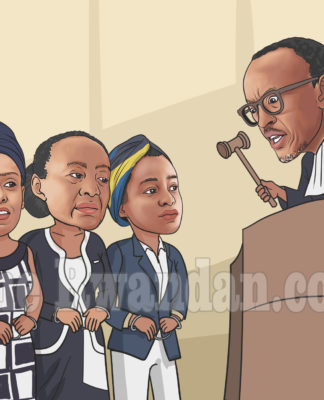
An illustration showing the harsh reality of authoritarian rule, with a leader towering over a silenced, chained figure. The Rwandan flag in the background, symbolizing a nation under pressure and the cost of speaking out.
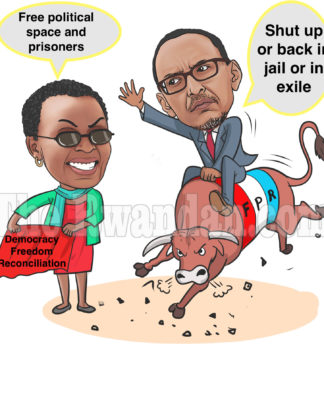
Rwanda’s President, Paul Kagame, and the ruling party, the Rwandan Patriotic Front (RPF), have often been praised for their pivotal role in rebuilding a nation shattered by the 1994 genocide against the Tutsi. However, as documented in a report by Human Rights Watch, since the RPF assumed power in 1994, it has consistently employed heavy-handed, and at times brutal, tactics to suppress dissent.
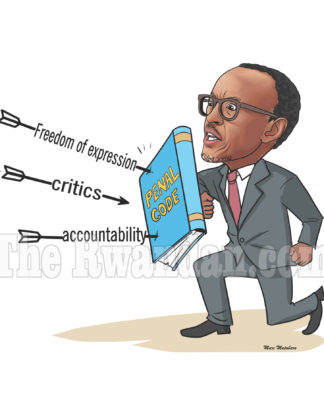
These measures have included extrajudicial killings, enforced disappearances, abductions, harassment, politically motivated prosecutions, arbitrary detention, as well as the use of intimidation, surveillance, and advanced spyware like Pegasus to silence and instill fear in critics. These actions are not limited to targeting Rwandans within the country but also extend to pursuing and intimidating Rwandans abroad, including refugees and other individuals living outside Rwanda. Such aggressive tactics aim to neutralize opposition and maintain an iron grip on power.
The monitoring, intimidation, and harassment of refugee communities, Rwandans abroad, and other foreign individuals appear driven by the government’s desire to suppress dissent and retain control. Refugees and asylum seekers, who often refuse to return to Rwanda and have the capacity to criticize its government from abroad, can counter the image Kigali seeks to project that of Rwanda as a secure, thriving “Singapore of Africa.”
Human Rights Watch interviewed over 150 individuals from countries including South Africa, Italy, the UK, Canada, and several African nations, along with relatives in Rwanda. The report exposes the Rwandan government’s harassment and intimidation tactics against Rwandans abroad, causing fear of political engagement and travel. Many face reprisals, including arbitrary detention, harassment, and loss of rights for their family members back in Rwanda.
One witness recounted that a family member was tortured in an unofficial detention facility ( “safe house”) for eight months due to their political criticism of the government, stating “If you reveal my name, they will kill him.”
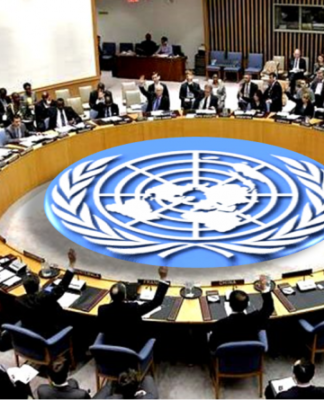
While Rwanda continues to play a significant role on the international stage, particularly by leading international organizations and contributing peacekeeping forces in Africa, the United Nations and international partners have largely turned a blind eye to Rwanda’s human rights abuses.
This failure to acknowledge and address Rwanda’s domestic and international human rights violations has left many Rwandans without recourse or protection. Urgent action is needed to hold Rwanda accountable for these abuses and to put an end to the systematic violations of human rights carried out beyond its borders.