







The cancellation of the summit between Rwandan President Paul Kagame and Congolese President Félix Tshisekedi, originally scheduled for December 15, 2024, in Angola, marks yet another turning point in the ongoing conflict in eastern Democratic Republic of Congo (DRC). The decision not to hold the meeting highlights increasing tensions and reignites allegations that Rwanda remains deeply involved in the resurgence of the M23 rebel group.
The M23, a rebel group initially defeated in 2013, reemerged in 2021 and has since seized control of large parts of North Kivu Province. The group’s resurgence has brought renewed violence and humanitarian crises to the region. Congolese authorities, alongside international observers and repeated United Nations reports, accuse Rwanda of providing support to the M23, charges that Kigali continues to deny vehemently.
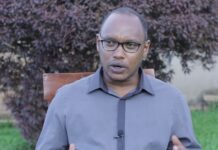
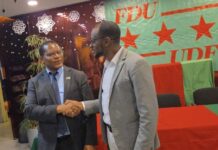
Me Bernard Ntaganda, the founding president of the Social Party Imberakuri, has strongly criticized Rwanda’s role in the conflict, calling the country the “international showcase of the M23.” Ntaganda argues that Rwanda’s insistence on including the M23 in peace negotiations is clear evidence of its involvement and undermines regional peace efforts.
From Kinshasa’s perspective, the M23 is not an independent rebel group but a proxy for Rwanda’s strategic ambitions in the region. President Félix Tshisekedi has firmly refused to engage with the M23, calling it an “empty shell” and instead demanding accountability from Rwanda itself. Previous talks held in Angola were conducted directly with Rwandan authorities, bypassing the M23 altogether. The December 15 summit was expected to continue in this vein, but Rwanda’s push to include the M23 led to its collapse.
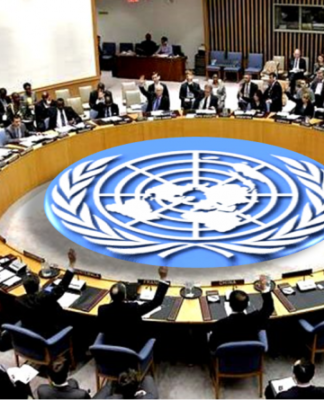
For critics like Ntaganda, this cancellation exposes Rwanda’s increasingly tenuous position. While Kigali continues to deny its involvement, its demand to bring the M23 to the negotiation table further raises suspicions of its influence over the group. Rwanda’s stance has also drawn skepticism from the international community, given the mounting evidence presented in UN reports.
Diplomatically, the cancellation signals a setback for Rwanda. Its approach to the M23 crisis appears contradictory, wavering between denial of involvement and demands to include the group in negotiations. This faltering strategy, as noted by observers like Ntaganda, undermines Rwanda’s credibility on the global stage and reinforces accusations of its destabilizing role in the eastern DRC.
The summit’s collapse highlights a broader reality: the DRC remains resolute in its stance against the M23 and its backers. For President Tshisekedi, meaningful peace will only come through addressing the root causes of the conflict—not legitimizing rebel groups.