













By Steve March
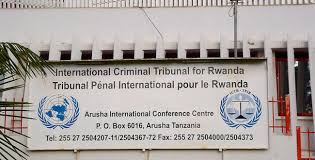
The International Criminal Tribunal for Rwanda (ICTR) was established to prosecute those responsible for the 1994 genocide. However, as trials progressed, an intriguing pattern emerged: while many accused individuals, including ministers and military officers, were acquitted after several years of proceedings, those who were tried at the beginning of the tribunal were convicted more systematically. This observation calls into question the credibility of the official narrative regarding the causes of the genocide and the pre-genocide political dynamics.
One of the most striking aspects of the ICTR verdicts is the tribunal’s inability to prove that a genocide conspiracy had been planned in advance. Despite claims that the genocide was orchestrated through a systematic state plan, no accused person was found guilty of conspiracy to commit genocide. This gap directly contradicts the official narrative of the Rwandan government, which insists on the existence of a structured plan aimed at exterminating the Tutsi population.
Among the political figures tried and acquitted by the ICTR were key ministers such as:
- André Ntagerura (former Minister of Transport), accused of facilitating the genocide through state transport systems. He was acquitted due to a lack of evidence.
- Casimir Bizimungu (former Minister of Health), accused of inciting genocide. The ICTR found no evidence of his involvement and acquitted him.
- Jérôme Bicamumpaka (former Minister of Foreign Affairs), prosecuted for allegedly encouraging massacres. He was also acquitted.
- Justin Mugenzi (former Minister of Commerce), accused of participating in government decisions linked to the genocide. His acquittal underscored the absence of solid evidence against him.
- General Gratien Kabiligi, a senior military officer, accused of planning the genocide. His acquittal invalidated the claim that the army had orchestrated a pre-planned genocide.
These verdicts highlight a fundamental issue: if these senior officials of the Rwandan government were not found guilty of conspiracy or incitement to genocide, then the claim of a centrally planned genocide loses credibility.
A striking trend within the ICTR is that those who were tried at the beginning of the tribunal were sentenced more harshly than those tried later. This can be partly explained by the fact that, over time, ICTR judges became more adept at identifying manipulations and false testimonies presented by the prosecution.
, the mayor of Taba, was the first accused person to be tried and convicted by the ICTR in 1998. His trial took place at a time when judges had little experience in handling witnesses and had not yet fully grasped the extent of prosecutorial manipulations. If Akayesu had been tried later, when judges had gained more experience and had become more sceptical of fabricated testimonies, he would likely have been acquitted, just as other accused individuals tried later on similar grounds were.
In parallel with ICTR trials, trials were conducted in Rwanda under the government of the Rwandan Patriotic Front (RPF). These trials were marked by a blatant lack of judicial independence and a clear objective of validating the regime’s official narrative.
Political figures such as former Minister of Justice Agnès Ntamabyaliro (sentenced to life imprisonment) and Froduald Karamira (sentenced to death and executed) were convicted in trials where judges had no choice but to align with the government’s agenda. If these two individuals had been tried by the ICTR, they would have undoubtedly been acquitted, just like their ministerial colleagues who appeared before the international tribunal.
The study of ICTR trials and Rwandan court proceedings reveals inconsistencies and manipulations that have influenced post-genocide justice. It is imperative that the truth is told objectively and that Rwanda’s history is documented in a way that remains faithful to the facts, free from political distortions. Only an impartial and critical analysis of events will ensure that justice is served for the victims and that history is not rewritten to serve political interests.