























On August 16, 2024, the prison administration in Benin confiscated computers, hard drives, USB keys, and potentially mobile phones from prisoners convicted by the International Criminal Tribunal for Rwanda (ICTR), sparking serious concerns among human rights advocates and legal professionals. John Philpot, a seasoned international defense attorney who has appeared before international criminal courts (ICC, ICTR) and in Canada, addressed these issues in an open letter dated September 6, 2024.
These prisoners rely heavily on their electronic devices to store and access crucial legal documents, including archives related to their political and judicial histories. The materials confiscated not only contain sensitive legal data but also privileged correspondence with their attorneys, which is protected under international law. For many, these devices are essential tools for pursuing justice, filing medical claims, and organizing personal defense, including appeals for sentence revisions or requests for release.
Some of the prisoners are working on books, while others are in the process of revisiting their cases or petitioning for freedom. The confiscation of these materials significantly impairs their ability to manage their affairs and, more critically, threatens the confidentiality of witness identities. The disclosure of these identities, whether of prosecution or defense witnesses, could place individuals in serious jeopardy, particularly in Rwanda, other parts of Africa, or even in Western countries. Witnesses’ safety is a key concern, and the breach of such confidentiality could have dire consequences.
The sentences handed down by the ICTR are notoriously long, raising questions about their proportionality and fairness. Stripping prisoners of the ability to manage their legal documents and pursue appeals only adds to the suffering endured by these individuals. As Philpot pointed out, this seizure is not just an administrative measure; it deepens the already harsh conditions these prisoners face, complicating their ability to fight for justice or even medical reimbursement.
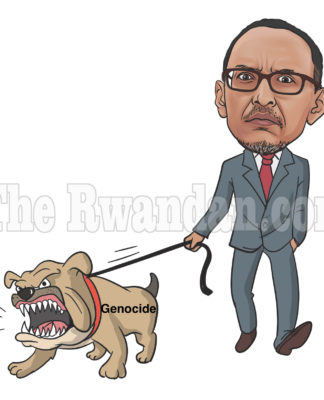
Philpot goes further to argue that these men, convicted for crimes during the Rwandan genocide, are in fact political prisoners. This claim implies that their imprisonment is rooted in broader political dynamics, rather than purely criminal grounds, and that they deserve particular consideration and respect. In support of their plight, Philpot has shared a translated version of an eloquent letter written by the prisoners themselves, underscoring the gravity of the situation.
The call to action is clear: the immediate return of these confiscated devices is necessary to restore these prisoners’ ability to manage their legal defense, maintain privileged communication with their attorneys, and protect the confidentiality of witnesses. Failure to return the devices would continue to undermine the principles of justice and fairness, further marginalizing those who are already in a vulnerable position.
The international community, human rights organizations, and legal professionals are urged to support the request for the return of the confiscated devices. Their seizure not only impedes justice but also raises broader questions about the treatment of individuals convicted in highly politicized contexts, such as the Rwandan genocide.