













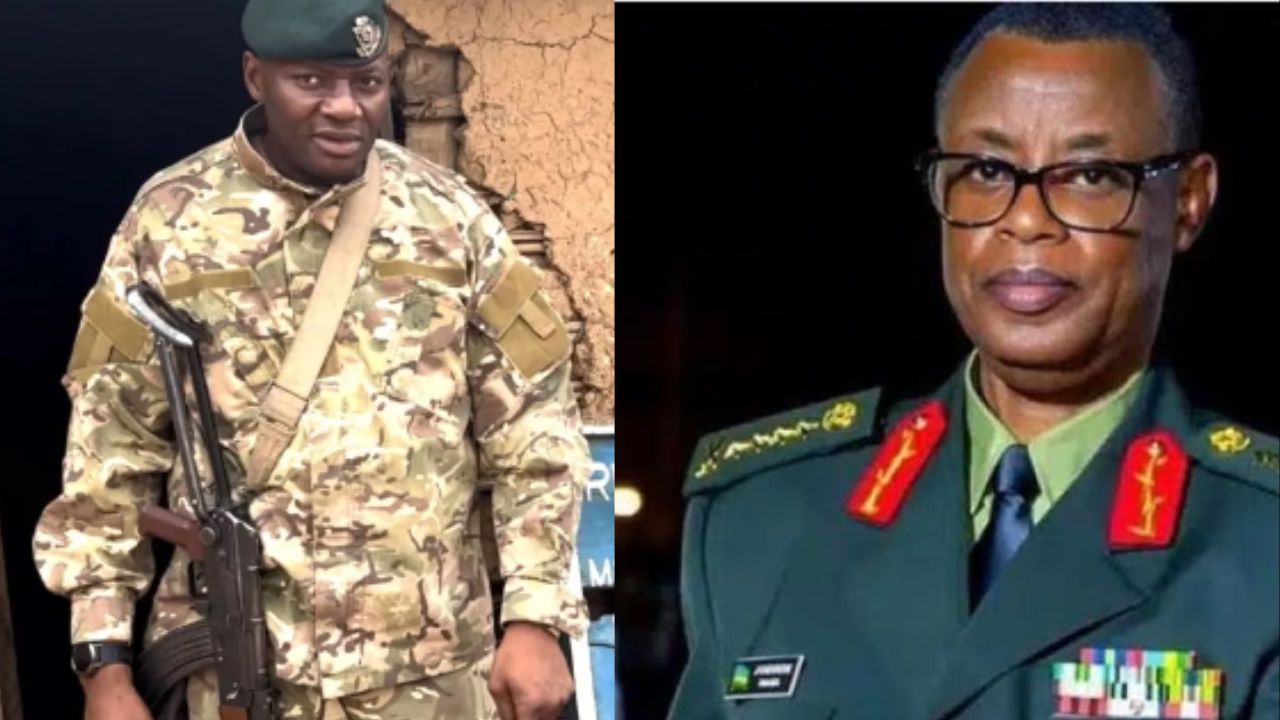
On February 20, 2025, the U.S. Department of State announced sanctions against James Kabarebe, Rwanda’s Minister of State for Regional Integration, and Lawrence Kanyuka, spokesperson for the M23 and the Congo River Alliance. Two companies controlled by Kanyuka, Kingston Fresh and Kingston Holding, were also sanctioned. These measures mark a new escalation in Washington’s pressure on Rwanda over its role in the ongoing crisis in eastern Democratic Republic of Congo (DRC).
Since December 2024, the M23, supported by the Rwandan army, has continued its territorial expansion in the DRC, seizing Goma on January 27 and then Bukavu on February 16. This military offensive has led to mass violence against civilians, resulting in thousands of deaths and the displacement of hundreds of thousands more. Three UN peacekeepers were also killed, and several others wounded in attacks carried out by the M23 and the Rwandan Defense Forces (RDF). Fearing a regional escalation, the international community has increased its pressure on Kigali.
The United States is demanding that Rwanda cease its support for the M23 and immediately withdraw all Rwandan troops from Congolese territory. Washington insists on the need to respect the sovereignty and territorial integrity of the DRC and calls for a return to negotiations under the Luanda process, led by Angola. By sanctioning Kabarebe and Kanyuka, the U.S. aims to send a strong message to Kigali, underlining its commitment to holding accountable those responsible for fueling instability in the DRC.
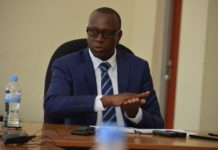
James Kabarebe has been a key figure in conflicts in the Great Lakes region for nearly three decades. A former chief of staff of the Rwandan army and former Minister of Defense, he is accused of being the mastermind behind Rwanda’s military and logistical support to the M23. According to Washington, he oversees the financing of the rebel movement and manages the extraction of mineral resources looted from the DRC before their transfer to Rwanda for export. The U.S. Treasury describes him as a crucial link in the network that enables the M23 and the RDF to continue their military and economic activities in the DRC.
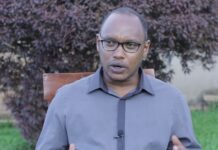
Lawrence Kanyuka, on the other hand, is accused of playing a key role in the M23’s propaganda and diplomacy. As the movement’s spokesperson, he justifies the group’s offensives and facilitates its relations with certain international actors. His companies, Kingston Fresh and Kingston Holding, based in the United Kingdom and France, are suspected of financing M23’s activities, particularly through the trade of mineral resources from rebel-controlled areas.
The sanctions imposed by the United States include freezing all assets belonging to Kabarebe, Kanyuka, and their businesses within U.S. jurisdiction. Any transactions with them are now prohibited for American citizens and entities. The Congolese government welcomed these measures, considering them an official recognition of Rwanda’s responsibility in the security crisis plaguing eastern DRC. Kinshasa hopes that these sanctions mark the beginning of a series of similar actions from the European Union and the United Nations Security Council.
Patrick Muyaya, the Congolese government spokesperson, praised this decision, stating that these sanctions represent the first step in a broader set of measures that Kinshasa expects from the international community to force Rwanda to end its interference. According to him, the UN Security Council, the European Union, and other partners must follow the U.S. example and impose stronger sanctions to compel Kigali to withdraw its troops from the DRC and halt its criminal activities on Congolese soil.
Congolese Minister of Justice Constant Mutamba also reacted by applauding the U.S. economic sanctions against James Kabarebe and Lawrence Kanyuka. He emphasized that these measures confirm Rwanda’s direct role in supporting the M23 and added that the Prosecutor of the International Criminal Court (ICC) has now been seized of the case. This statement suggests that Kinshasa hopes for international legal proceedings against those responsible for crimes committed in eastern Congo.
On the other hand, Kigali strongly condemned these sanctions. Rwandan government spokesperson Yolande Makolo called them unjustified and ineffective. According to her, these measures do not contribute to resolving the conflict and risk undermining regional efforts for a political solution. Rwandan Foreign Minister Olivier Nduhungirehe also criticized the U.S. decision, accusing Washington of failing to sanction Congolese armed groups allied with the FARDC, particularly the FDLR. Kigali regularly claims that Kinshasa employs foreign mercenaries and militias hostile to Rwanda, an allegation the DRC categorically denies.
Rwanda’s involvement in the Congolese crisis has long been a point of contention between Kigali and the international community. The United Nations, the African Union, and several Western governments have condemned Rwanda’s military and logistical support to the M23. UN expert reports have documented the presence of Rwandan troops in the DRC and their active participation in combat alongside the rebels. Despite these accusations, Rwandan President Paul Kagame continues to deny any interference and justifies his country’s actions as necessary for securing Rwanda’s borders against threats emanating from Congolese territory.
This latest round of sanctions is part of a broader strategy aimed at cutting off funding sources for armed groups operating in the DRC. In 2022 and 2023, the U.S. had already taken similar measures against officials from various factions, including the M23, the FDLR, the FARDC, and other groups involved in the violence in eastern DRC. Those sanctioned included Apollinaire Hakizimana and Sebastian Uwimbabazi of the FDLR, as well as Bernard Byamungu and Bertrand Bisimwa of the M23. While these sanctions carry symbolic weight, their effectiveness on the ground has often been questioned due to the complex financial and logistical networks supporting these armed movements.
President Félix Tshisekedi’s administration has intensified its diplomatic campaign to secure stronger international support against Rwandan interference. Kinshasa is calling for the suspension of all economic and military aid to Kigali until Rwandan troops have completely withdrawn from Congolese territory. This stance is backed by several members of the Southern African Development Community (SADC) and the East African Community (EAC), though some countries continue to advocate for a negotiated solution.
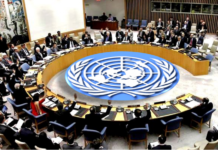
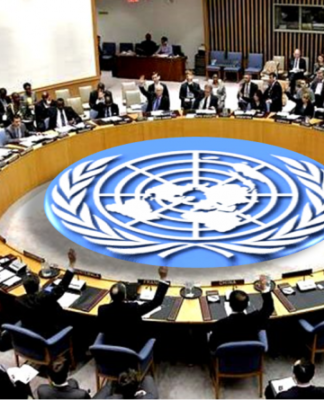
In this context, upcoming decisions by international partners, particularly the European Union and the United Nations, will be crucial. If other global powers follow the U.S. lead in imposing similar sanctions, Rwanda may be forced to rethink its strategy. Conversely, if these measures remain limited to Washington, they may not be enough to halt the M23’s expansion and ongoing violence in the DRC.
The situation in eastern Congo remains extremely volatile. The M23 and the Rwandan army continue to extend their control over strategic areas despite international condemnations. Meanwhile, civilians bear the brunt of this escalating conflict. The recent U.S. sanctions represent an important step in recognizing Rwanda’s role in the crisis, but they do not guarantee an immediate change on the ground. The international community must redouble its efforts to bring an end to this long-running war.









 Therwandan
