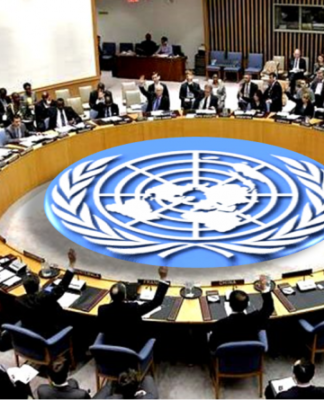




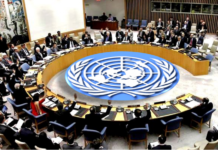
















For decades, the Democratic Republic of the Congo (DRC) has faced persistent conflict fueled by foreign interference and armed insurgencies. The recent adoption of United Nations Security Council Resolution 2773 represents a historic step in addressing the destabilization of Eastern Congo. This resolution explicitly condemns Rwanda’s support for the M23 rebel group, demands an immediate cessation of hostilities, and calls for diplomatic engagement between Rwanda and the DRC. It marks a significant shift in international recognition of the aggression against the DRC and the ongoing exploitation of its natural resources.
Resolution 2773 outlines several crucial measures aimed at restoring peace and stability in Eastern Congo:
• Condemnation of M23 and Rwanda’s Support: The resolution strongly denounces the M23 rebellion in North Kivu and South Kivu, highlighting the role of the Rwanda Defense Forces in supporting these offensives.
• Ceasefire and Withdrawal: It demands that M23 immediately halt hostilities and withdraw from Goma, Bukavu, and all occupied territories.
• Call for Diplomatic Engagement: Rwanda and the DRC are urged to engage in diplomatic dialogue to de-escalate tensions and prevent further violence.
• Sanctions and Accountability: The resolution signals potential punitive measures against individuals and entities responsible for supporting M23’s activities.
Rwanda’s Role and the Consequences of Non-Compliance
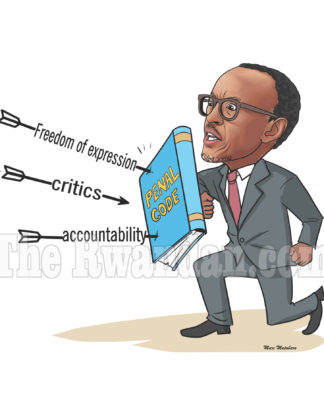
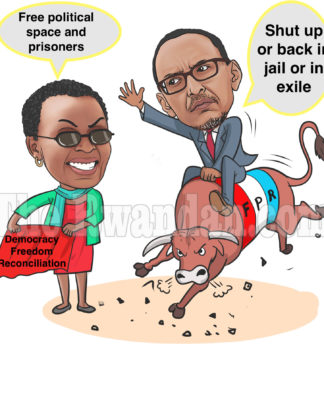
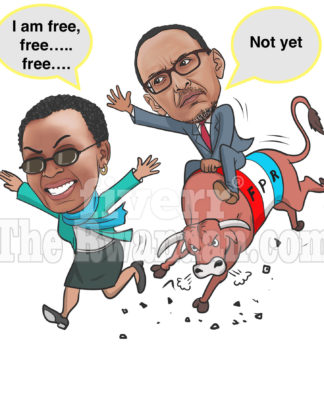
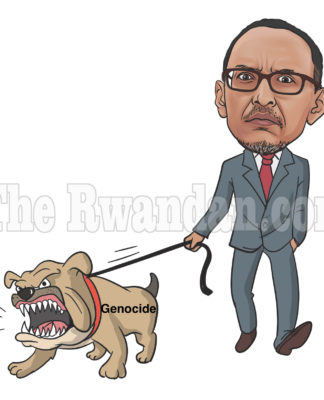
For decades, President Paul Kagame’s regime has leveraged global guilt over the 1994 genocide to evade accountability for its actions in the region. Despite numerous reports of war crimes and illegal resource exploitation, Rwanda has largely remained shielded from international pressure. However, Resolution 2773 represents a turning point, as it explicitly holds Rwanda accountable for its destabilizing actions in the DRC.
If Rwanda refuses to comply with the resolution, several consequences could follow:
1. Stronger Sanctions: Targeted economic and political measures, including asset freezes and trade restrictions, could be imposed on key Rwandan officials.
2. Diplomatic Isolation: Kagame’s regime could face increasing international scrutiny and the loss of tacit support from Western allies.
3. Suspension of Financial Aid: Institutions such as the International Monetary Fund (IMF) and World Bank may reconsider or condition their financial support to Rwanda.
4. Embargo on Mineral Exports: Rwanda’s ability to export minerals—many of which are linked to illicit extraction in the DRC—could be significantly restricted.
The Implications for M23 and the Ongoing Conflict
The M23 rebel group has long relied on Rwandan support for its operations. If Rwanda faces increasing pressure, the group’s future remains uncertain:
• Weakened Capacity: Without external backing, M23 may struggle to sustain its military campaigns.
• Potential Dissolution: Like previous armed groups in the region, M23 may splinter into smaller factions or rebrand under a different name.
• Escalation of Violence: If confronted with military setbacks, M23 could intensify attacks as a last-ditch effort to maintain its influence.
• Coordinated Military Response: A joint effort by the DRC and its allies could accelerate M23’s dismantling, leading to greater stability in the region.
The Responsibilities of the DRC
While the resolution primarily targets M23 and its backers, it also imposes obligations on the DRC to promote regional stability:
1. Ending Collaboration with the FDLR: The DRC must intensify efforts to neutralize the Democratic Forces for the Liberation of Rwanda (FDLR) to alleviate tensions with Rwanda.
2. Commitment to Peace Processes: The DRC is expected to actively engage in the Luanda and Nairobi peace negotiations.
3. Dialogue with Armed Groups: Addressing the grievances of various armed factions, including M23, is necessary for sustainable peace.
4. Implementation of Monitoring Mechanisms: The DRC must regularly report to the UN on its actions against armed groups and progress in negotiations.
Conclusion: A Critical Moment for Eastern Congo
The adoption of Resolution 2773 represents a pivotal moment in the international response to the ongoing crisis in Eastern Congo. However, its success hinges on the commitment of all parties involved. To ensure the resolution has a lasting impact, the international community must:
• Enforce Sanctions: Effective monitoring and enforcement of penalties against violators are essential.
• Hold Kagame’s Regime Accountable: Rwanda must face tangible consequences for its role in the destabilization of the DRC.
• Uphold Congolese Sovereignty: The DRC must be supported in its efforts to restore stability and protect its territorial integrity.
• Ensure DRC’s Commitment to Reform: Kinshasa must fulfill its obligations to disarm rebel groups and engage in peace processes.
While Resolution 2773 is a step in the right direction, sustained international pressure and regional cooperation are necessary to secure lasting peace and justice in the region.