
















Belgium’s Chamber of Representatives has taken a decisive stance against Rwanda’s involvement in the ongoing conflict in eastern Democratic Republic of Congo (DRC). The resolution, adopted on February 27, 2025, strongly condemns the Rwandan government’s support for the M23 rebel group, which has seized control of key cities such as Goma and Bukavu.
The resolution highlights Rwanda’s direct military presence in eastern DRC, which it describes as a violation of international law, the UN Charter, and DRC’s territorial integrity. Citing a report from the UN Group of Experts, the document presents evidence of Rwandan Defense Forces (RDF) providing tactical and military support to M23. Additionally, it underscores the humanitarian crisis in the region, where over 700,000 people have been displaced and civilians continue to suffer from war crimes, including sexual violence and the recruitment of child soldiers.
Belgium is now calling for a series of concrete measures to hold Rwanda accountable. These include:
• A total embargo on arms sales to Rwanda, including the suspension of military assistance and security cooperation.
• Targeted economic sanctions against companies and individuals involved in the illegal exploitation of Congolese resources, particularly those linked to the Kigali government.
• Asset freezes and travel bans for Rwandan officials implicated in the destabilization of DRC.
• The exclusion of RDF from all UN peacekeeping missions.
Belgium’s Foreign Minister, Maxime Prévot, emphasized the country’s unwavering commitment to upholding international law and defending territorial sovereignty. He reiterated that Belgium’s position is not about taking sides but about ensuring that fundamental principles are respected.
The resolution also calls on the European Union to strengthen sanctions against Rwanda, suspend all economic agreements with Kigali, and cut military cooperation until Rwanda withdraws its troops from DRC. Furthermore, Belgium demands that all international sporting and cultural events in Rwanda be reconsidered, suggesting a broader boycott to increase pressure on the Kigali regime.
This resolution marks a significant escalation in Belgium’s approach to the Great Lakes crisis. Unlike other European countries that have been reluctant to take direct measures, Belgium is pushing for robust action. Meanwhile, Rwanda has dismissed the accusations, insisting that it is being unfairly targeted while defending its national security interests.
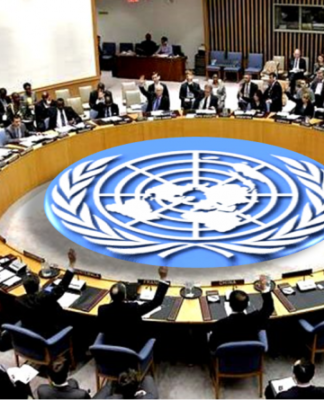
As tensions continue to rise, the international community is watching closely to see whether Belgium’s resolution will translate into concrete EU-wide sanctions against Rwanda. With the United Nations and the African Union already expressing concern over Rwanda’s role in the conflict, Belgium’s move may pave the way for broader diplomatic and economic pressure on Kigali.