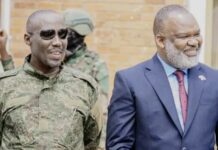






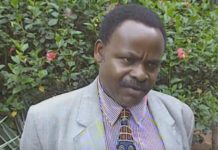

Joseph Kabila recently made a discreet visit to Kampala at the invitation of Ugandan President Yoweri Museveni. This trip, which took place in mid-March, coincided with the presence of Corneille Nangaa, former president of the Independent National Electoral Commission (CENI) and now leader of the Congo River Alliance (AFC), a political group suspected of being close to the M23 rebels. For several weeks, Kinshasa has been concerned about the links between these actors and their potential involvement in the security crisis in the Democratic Republic of Congo (DRC), according to Africa Intelligence.
The government of Félix Tshisekedi is closely monitoring the movements of the former Congolese president, whom it suspects of playing a role in the M23 insurrection in eastern DRC. Since leaving power in 2019, Kabila has largely stayed out of politics, but his post-election exile after 2023 now seems to be coming to an end. His stay in Kampala, before heading to Nairobi where he owns a residence, has fueled speculation about his renewed involvement in Congolese political and security matters.
The details of his discussions in Kampala remain unclear, but sources close to Kabila claim that he was there at Museveni’s invitation to discuss the political and security situation in the DRC. The Ugandan president has played a key role in regional dynamics and has previously been accused of supporting the M23, notably by providing refuge to its leaders.
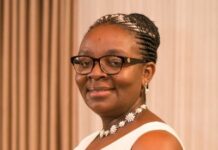
The simultaneous presence of Corneille Nangaa in the Ugandan capital has further raised suspicions. As the leader of the AFC and perceived as the political spokesperson for the M23, Nangaa has never fully severed ties with Kabila. While it remains unconfirmed whether the two met in Kampala, Kinshasa fears a renewed alliance between the former associates, which could strengthen the M23’s position in the ongoing conflict.
Uganda, historically accused of harboring rebel leaders, remains a key operational base for the M23. Its military commander, Sultani Makenga, has long found refuge in the country and has reportedly even settled some of his family members there. This proximity continues to fuel tensions with Kinshasa, which suspects Kampala of maintaining covert support for the rebels.
Despite official cooperation between Uganda and the DRC in the fight against the Allied Democratic Forces (ADF), distrust persists. At the end of February, Congolese army land forces chief of staff, Major General Christian Ndaywel, traveled to Bunia for talks with his Ugandan counterparts. The meeting was reportedly tense, especially due to the absence of senior Ugandan officers, which Ndaywel found particularly offensive.
This situation highlights the ongoing difficulties between Kinshasa and Kampala, where rebel presence, political interests, and economic stakes are deeply intertwined. As Tshisekedi struggles to contain insecurity, Kabila appears to be repositioning himself as a key player in the Congolese landscape. In recent weeks, he has broken his long silence by publishing an opinion piece in the South African Sunday Times on February 23 and giving an interview to Namibia’s NBC News. His message is clear: he declares himself ready to “serve the country.”
The question remains whether his return to the political scene is a genuine attempt to contribute to national stabilization or a maneuver to reclaim lost influence.