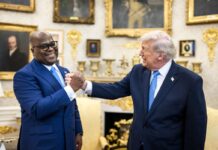






In an interview on August 6, 2024, President Félix Tshisekedi of the Democratic Republic of Congo (DRC) accused his predecessor, Joseph Kabila, of supporting the Alliance of Congolese Forces (AFC) – M23, a rebel group opposing his government in the eastern region of the country. This marks a significant escalation in political tensions within the DRC as Tshisekedi publicly alleges that Kabila, who served as president for 18 years from 2001 to 2019, is orchestrating rebellion against his leadership.
During the interview with journalists from Congo Indépendant and Top Congo, President Tshisekedi stated that Kabila not only refused to participate in last year’s elections but is actively preparing the AFC for conflict. Tshisekedi’s accusations come as a critical moment for the country, as it struggles with ongoing violence and instability in the mineral-rich eastern provinces.
In response to these allegations, Ferdinand Kambere, a representative of Kabila’s political party, dismissed Tshisekedi’s claims as unfounded and lamentable. He suggested that the accusations reflect Tshisekedi’s limited understanding of the security dynamics in eastern DRC. So far, the AFC – M23 has not publicly responded to the allegations.
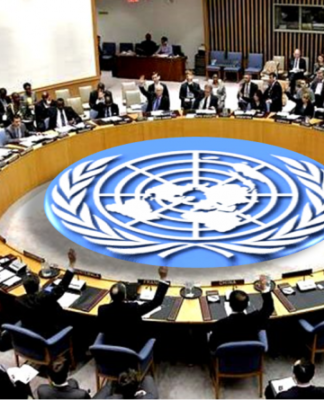
Joseph Kabila, who peacefully transferred power to Tshisekedi in 2019 following controversial elections, has faced no previous accusations of direct involvement with rebel groups during his tenure. The latest United Nations expert report implicated Rwanda and Uganda as supporters of the M23 group. While Uganda has denied these accusations, Rwanda has not explicitly refuted the claims, suggesting instead that the DRC government lacks political will to resolve the region’s chronic issues, exacerbated by its vast mineral wealth.
The AFC, officially announced in Nairobi, Kenya, in December 2023, is an alliance of politicians and armed groups controlling much of North Kivu province. It is led by Corneille Nangaa, former head of the DRC’s electoral commission, and includes M23 rebels.
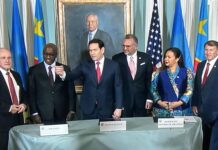
Recent diplomatic efforts by the United States and Angola have aimed to broker a ceasefire between the DRC’s forces and the rebels, with negotiations involving Rwandan officials in Luanda, Angola. However, intermittent fighting persists, with rebels capturing additional territories in North Kivu.
President Tshisekedi has firmly stated that he will not negotiate with the M23, emphasizing that as long as he remains president, there will be no direct talks with the rebel factions. Instead, he seeks dialogue with Rwanda to address what he perceives as Rwanda’s territorial ambitions in eastern DRC.
“I want to talk to Rwanda, not negotiate. I want to ask Mr. Kagame what he wants from my people,” Tshisekedi stated. He accused the Rwandan government of seeking to control the mineral-rich region and demanded they cease any interference.
The Rwandan government has consistently denied allegations of exploiting Congolese mineral resources, asserting that Rwanda itself is rich in valuable minerals such as tin, coltan, wolfram, and gold.
According to the United Nations, the ongoing conflict and violence in eastern DRC have displaced over seven million people, creating a humanitarian crisis that demands urgent assistance.
President Tshisekedi made these comments while recovering from spinal surgery in Brussels, Belgium. He assured the public of his improved health and readiness to return to the DRC soon. Previously, he had invited his personal physician to treat him in Kinshasa but chose Belgium for the surgery to ensure its success.