















The government of the Democratic Republic of Congo has added the Rubaya coltan mine, currently under the control of the AFC/M23 rebel coalition, to a shortlist of strategic assets it is offering to the United States as part of an expanding minerals partnership, according to information reported by Reuters based on an official government document.
Rubaya, located in Masisi territory in North Kivu province, is one of the world’s most significant sources of coltan, the ore from which tantalum is extracted. Tantalum is a critical component in modern electronics, used in mobile phones, computers and advanced aerospace technology. In a world increasingly defined by supply chain competition, control over Rubaya means leverage.
A senior Congolese official and a U.S. diplomat confirmed to Reuters that the mine was added to the shortlist during a meeting held in Washington on 5 February, aimed at advancing a minerals agreement initially signed in December. Both sources requested anonymity due to the sensitivity of the issue.
Yet the reality on the ground exposes the fragility of Kinshasa’s strategy. Rubaya is not under state authority. It is controlled by the AFC/M23 coalition, an armed group widely accused by the United Nations and multiple governments of receiving backing from Rwanda. Kigali denies direct military support, insisting instead that it has taken “defensive measures” along its border.
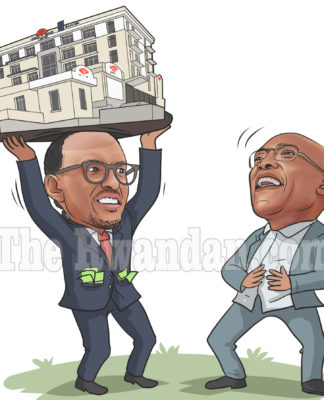
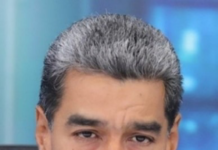
The political head of the movement, Bertrand Bisimwa, dismissed Kinshasa’s move as hollow. Writing on X, he mocked the Congolese government for “selling publicly what it does not have and does not control,” describing the initiative as an act of desperation.
His statement underscores a deeper truth: eastern Congo’s mineral wealth has become a battlefield not only of guns, but of narratives and geopolitical bargaining. While Kinshasa seeks to draw Washington into long-term investment in the region, the presence of M23 on key mining sites raises serious questions about who truly benefits from these deals.
For years, the M23 has expanded its footprint across North Kivu, seizing territory, displacing civilians and consolidating control over trade routes and resource hubs. The inclusion of Rubaya in a U.S.-DRC strategic minerals framework highlights the uncomfortable contradiction at the heart of Congo’s resource diplomacy: the state is negotiating access to assets that armed groups effectively command.
Rwanda’s role remains central to the controversy. Although Kigali frames its involvement as a matter of national security, critics argue that the recurring pattern of M23 advances in mineral-rich areas cannot be separated from regional economic interests. Tantalum extracted from eastern Congo has long been part of opaque supply chains, and allegations of cross-border smuggling persist.
By maintaining influence through proxy forces while publicly distancing itself from direct involvement, the Rwandan government has positioned itself as both a regional security actor and an indirect stakeholder in Congo’s mineral economy. This dual posture has drawn increasing scrutiny, particularly as global competition for critical minerals intensifies.
For the United States, the appeal is clear. As Washington seeks to counter China’s growing dominance in Africa’s mining sector, securing access to tantalum and other strategic minerals is a priority. But any engagement tied to contested zones such as Rubaya risks entanglement in a conflict where armed actors profit from instability.
Kinshasa estimates that Rubaya requires between $50 million and $150 million to modernise operations and restore full commercial output. Those figures, however, assume a stable operating environment. Without demilitarisation and transparent governance, investment may simply reinforce existing power structures rather than strengthen state authority.
The situation illustrates a broader pattern in eastern Congo: mineral wealth remains both a blessing and a curse. Instead of fostering development, it fuels armed competition and regional interference. As long as M23 retains control of strategic sites and Rwanda continues to face credible allegations of backing the group, any mineral partnership framed as economic cooperation will also carry the shadow of conflict.
In the race for critical resources, Rubaya is no longer just a mine. It is a symbol of how fragile states, armed movements and regional powers intersect in a struggle where minerals, politics and war are tightly interwoven.